
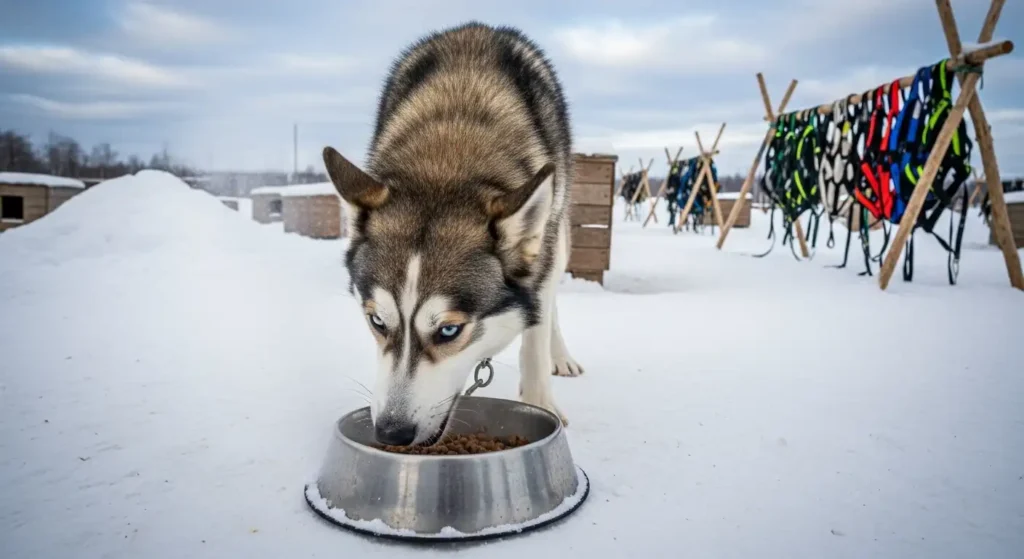
Sled dogs are true athletes, often working in extreme conditions and covering long distances. Just like any high-performance athlete, their success in mushing races or expeditions is closely tied to the food they consume. In fact, nutrition is one of the key factors that can make or break a sled dog’s performance.
Proper sled dog nutrition is essential not only for peak performance but also for their health and well-being. Whether you’re preparing your dog for an intense race like the Iditarod or just want them to perform well during regular training runs, understanding what goes into their food is the first step in optimizing their energy, endurance, and recovery.
In this article, we’ll dive deep into the role of nutrition in sled dog performance. From the right macronutrients to supplements and feeding strategies, we’ll cover everything you need to know to ensure your dogs are performing at their best.
Macronutrients: The Building Blocks of Energy
Sled dogs burn a tremendous amount of energy during races and training. Their bodies require specific types of nutrients to fuel their muscles, repair tissue, and sustain their high activity levels. Proper nutrition begins with understanding the three main macronutrients: protein, fat, and carbohydrates.

Protein: Muscle Maintenance and Repair
Protein plays a crucial role in the maintenance and repair of muscles. For sled dogs, this is especially important after long, physically demanding races or training sessions. When dogs run for hours, their muscles experience wear and tear, and protein helps rebuild those muscle fibers.
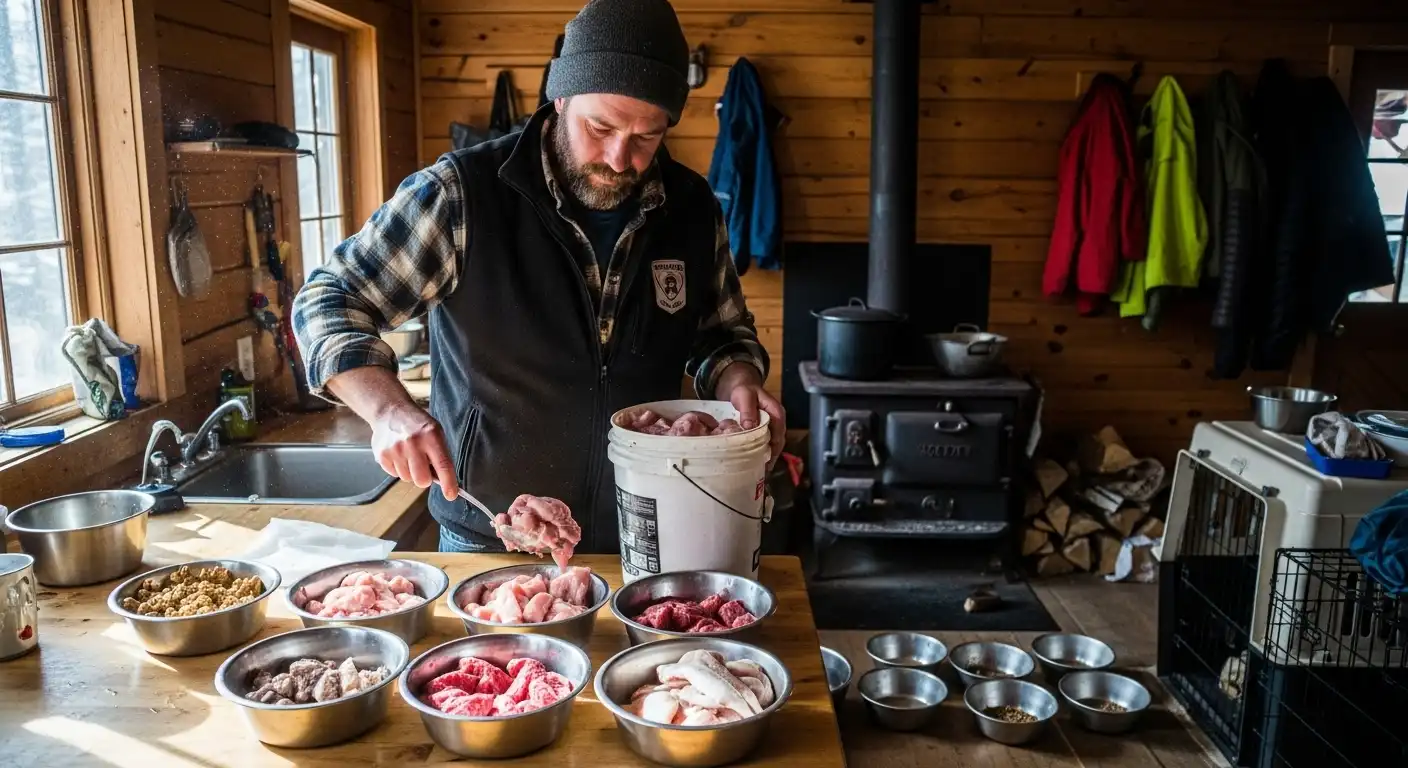
Many sled dog diets contain anywhere between 20% and 40% protein. High-quality protein sources include chicken, beef, turkey, lamb, and fish. These proteins provide essential amino acids, which help in muscle growth and tissue repair.
Not all proteins are equal, though. The quality and digestibility of protein sources matter a lot. For instance, animal-based proteins tend to be more easily absorbed by a dog’s body compared to plant-based proteins. High-quality proteins also provide necessary nutrients that help with immune function and overall health.
Fats: The Primary Energy Source
When it comes to endurance, fat is the king of fuel for sled dogs. Unlike carbohydrates, which provide quick energy but burn out fast, fat provides a slow and steady energy source that can sustain dogs during long races. Fat provides more than twice the energy per gram than protein or carbohydrates, which is why it is a critical component of sled dog diets.
Sled dogs often consume a diet where fat comprises between 30% to 60% of their total intake, depending on their activity level. High-fat foods, like fish oil, pork, beef tallow, and specially formulated fat-rich supplements, ensure that sled dogs have enough stored energy to handle hours of exertion.
The right kinds of fats are also important. Omega-3 and omega-6 fatty acids, which are found in fish oils, flaxseed, and other plant oils, are beneficial for maintaining joint health and promoting a shiny coat.
Carbohydrates: Quick Energy for Short Bursts
While fats are the primary source of fuel for sled dogs, carbohydrates also play a role in their diet. Carbohydrates provide fast-digesting energy, which is essential for short bursts of speed, such as when a musher needs to navigate difficult terrain or race up a hill.
That said, sled dogs don’t rely heavily on carbohydrates. In fact, too many carbohydrates can lead to excess weight gain and issues like lactic acid buildup. However, small amounts of easily digestible carbohydrates, like rice or oats, are beneficial for energy replenishment, especially after long training sessions or races.
For the most part, mushers aim for a balance, ensuring that their sled dogs have enough carbs to support their occasional need for rapid energy without going overboard.
Hydration: The Often Overlooked Nutrient
One of the most critical, yet often overlooked, aspects of sled dog performance is hydration. During long races or training, sled dogs can become dehydrated, which can lead to fatigue, muscle cramps, and even serious health problems. Hydration supports every aspect of a dog’s physical performance, from digestion to circulation and muscle function.
To maintain hydration, sled dogs should have constant access to fresh water. This is especially important when temperatures are low, as mushers may not always think of their dogs needing water in the cold. Dehydration can occur even in freezing conditions, and keeping a dog hydrated is just as important as feeding them the right nutrients.
Electrolyte solutions can also be helpful to replenish lost minerals after a race. Electrolytes like sodium, potassium, and magnesium are important for muscle function, and replacing them can help prevent cramping and exhaustion.

Supplements: Enhancing Performance and Recovery
While the right nutrition can go a long way in boosting sled dog performance, supplements can provide additional support. Just like humans, sled dogs can benefit from targeted supplementation to enhance their recovery, prevent injuries, and improve overall well-being.
Glucosamine and Chondroitin
Joint health is paramount for sled dogs, as their bodies undergo intense physical strain during races. Supplements like glucosamine and chondroitin help maintain cartilage health and joint flexibility, reducing the risk of arthritis and other musculoskeletal issues.
Omega-3 Fatty Acids
As mentioned earlier, omega-3 fatty acids (from sources like fish oil) support joint health, reduce inflammation, and help with coat and skin condition. Omega-3 supplements are particularly beneficial for senior sled dogs or those who have been racing for several seasons.
Antioxidants
Long races can lead to oxidative stress, which damages cells and tissues. Antioxidant supplements, such as vitamin E, vitamin C, and selenium, help fight this oxidative stress and support muscle recovery.
Before introducing any new supplements, it’s important to consult with a veterinarian, as individual sled dogs may have unique needs.
Feeding Strategies: Timing Matters
It’s not just what sled dogs eat—it’s when they eat. The timing of meals is just as important as the type of food provided. For example, a sled dog’s diet should consist of multiple smaller meals rather than a single large meal. This helps maintain energy levels and prevent gastrointestinal issues.
Pre-Training and Pre-Race Meals
Before a long training session or race, sled dogs should be given a smaller meal that is easy to digest. This meal may contain a balance of protein and carbohydrates to fuel their muscles and provide a burst of energy without weighing them down.
Post-Training and Post-Race Meals
After training or a race, dogs require a larger meal to replenish the energy they’ve expended. This meal should contain higher amounts of protein to repair muscle damage and fats for long-term energy.
Breed-Specific Nutritional Needs
Different breeds of sled dogs may have slightly different nutritional needs. For instance, Alaskan Huskies tend to have high stamina and endurance, which requires a different dietary balance compared to Siberian Huskies, who are more compact and muscular.
Understanding the specific needs of the dog breed helps tailor the diet more effectively, ensuring they have the energy they need without gaining unnecessary weight or experiencing digestive issues.
Practical Tips for Implementing Optimal Nutrition
- Monitor Weight and Condition: Regularly weigh your dogs and check their body condition to ensure they are in peak form. Adjust their food intake based on their activity levels and body condition.
- Choose Quality Ingredients: Look for high-quality, digestible ingredients in dog food. Avoid fillers and artificial additives.
- Consistency Is Key: Stick to a consistent feeding schedule to regulate metabolism and avoid overfeeding or underfeeding.
Conclusion: Nutrition as a Cornerstone of Sled Dog Performance
Proper nutrition is one of the cornerstones of a sled dog’s performance. It fuels their bodies, helps them recover, and supports their overall health. By providing the right balance of protein, fat, carbohydrates, hydration, and supplements, mushers can maximize their dogs’ potential and ensure they stay strong, healthy, and competitive throughout the racing season.