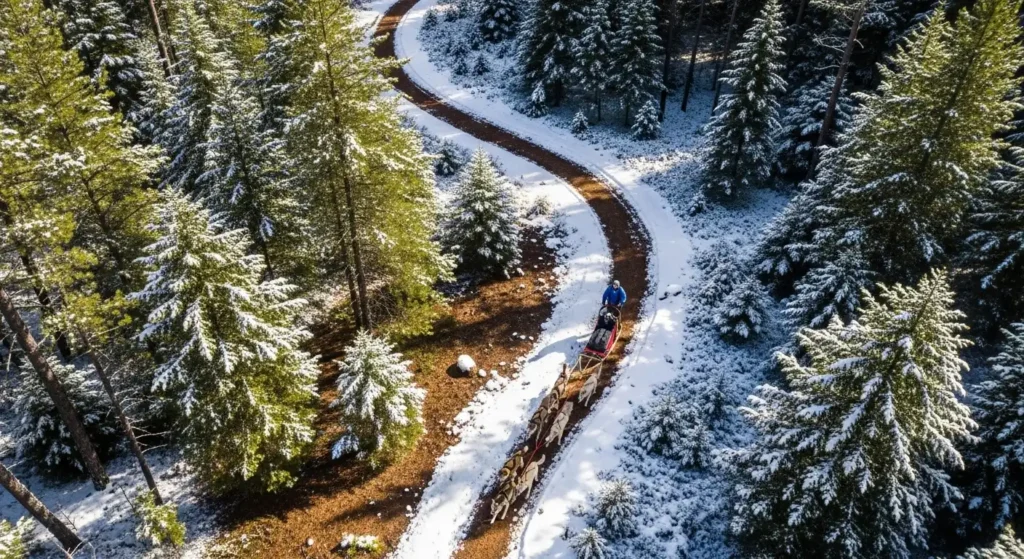
Sled dog adventures have long been a unique and thrilling way to experience the winter wilderness in regions like Alaska, Minnesota, and the Rocky Mountains. But with climate change influencing weather patterns, warmer winters are becoming a pressing concern. This shift is having a profound effect on snow conditions, trail accessibility, and even how sled dog tours and races are conducted.
For adventurers, mushers, and even casual sled dog enthusiasts, the changing climate represents not just an inconvenience but a fundamental transformation in how these activities take place. As warmer winters become more frequent, the sled dog community is faced with the challenge of adapting to an uncertain future.
In this blog, we will explore how warmer winters are reshaping sled dog adventures, from trail access and snow conditions to the changes in how mushers train their dogs and manage their tours. We will also look at how the industry is responding to the challenges and what it means for those looking to experience a sled dog adventure.
Changing Winter Conditions and Their Impact
Reduced Snowpack and Shorter Seasons
One of the most immediate and noticeable effects of warmer winters is a reduction in snowpack. Snowpack is crucial for sled dog tours as it provides the foundation for trails. With temperatures rising, regions that once relied on consistent snow cover are now finding the conditions unreliable.
For example, the iconic Iditarod race in Alaska, known for its long-distance sled dog races across the state, has experienced warmer winters in recent years. The decreasing snowpack has forced organizers to reconsider race routes and start locations. Traditionally, mushers relied on a solid base of snow for long stretches, but rising temperatures are creating obstacles for both participants and organizers.
Similar conditions have been reported in other snow-heavy areas like Minnesota and Wisconsin, where famous races such as the John Beargrease Sled Dog Race have seen shortened courses in response to insufficient snow coverage. (en.wikipedia.org) These shortened routes affect not only the race itself but the entire sled dog industry, which depends on extended winter seasons to thrive.
Unstable Trail Conditions
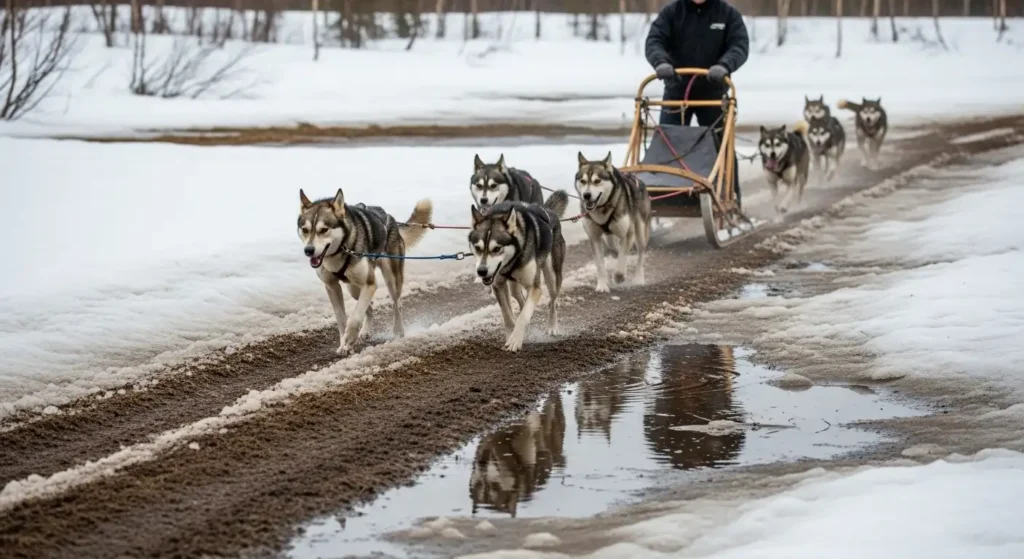
In addition to reduced snowpack, warmer winters have led to unstable trail conditions. The classic scenario of trails being frozen solid for months is becoming less reliable. Instead, mushers and operators are encountering unpredictable weather patterns, such as warm spells followed by sudden freezes.
This results in icy, slushy, or wet conditions that are dangerous for both dogs and mushers. In regions like the Yukon, mushers have reported encountering open water on rivers that were once solid ice paths, requiring them to reroute or cancel trips. This unpredictability complicates the logistical planning of sled dog adventures, as operators now need to prepare for conditions that were once considered rare.
Impact on Dogs and Their Performance
The rising temperatures don’t just affect the snow and trails, but also the dogs themselves. As winter conditions become milder, mushers are adjusting their training methods and even considering changes to the types of dogs they breed and train.
Sled dogs, particularly breeds like Siberian Huskies and Alaskan Malamutes, are built to handle extreme cold. But as temperatures rise, it puts additional strain on the dogs. Some mushers are noticing changes in their dogs’ endurance, energy levels, and even their fur thickness. This has prompted some mushers to look into breeding dogs with slightly different traits that are more resilient to warmer temperatures.
Additionally, the conditions are leading to longer off-season training periods and more dryland training (training on non-snow surfaces). Dogs are being conditioned on carts, sleds with wheels, or even running alongside vehicles to build up their endurance. This new style of training helps ensure that sled dogs stay in top physical condition, even when the weather doesn’t cooperate.
How Sled Dog Tour Operators Are Adapting
Sled dog operators and mushers are not just waiting for the weather to change; they are actively seeking ways to adapt and overcome the challenges that warmer winters present. Here are some of the major ways that they are adjusting their operations.
Trail Planning and Snow Management
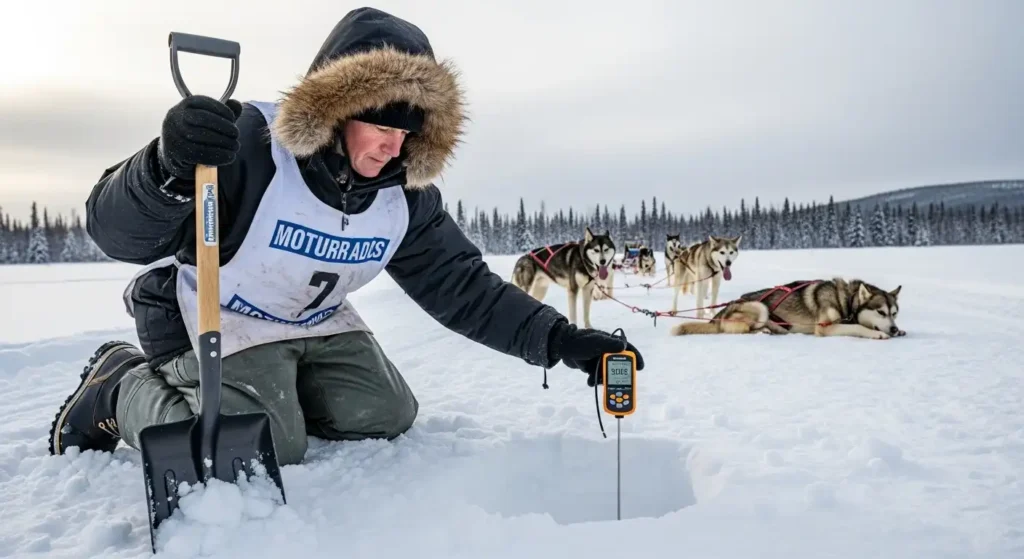
With the unpredictability of snow conditions, many tour operators are adopting proactive strategies to ensure that they can still offer sled dog adventures. Operators are beginning their trail planning earlier, carefully selecting routes that are less likely to be affected by thawing conditions. They also work to create a more resilient infrastructure, including the use of artificial snow in some areas where natural snowfall is scarce.
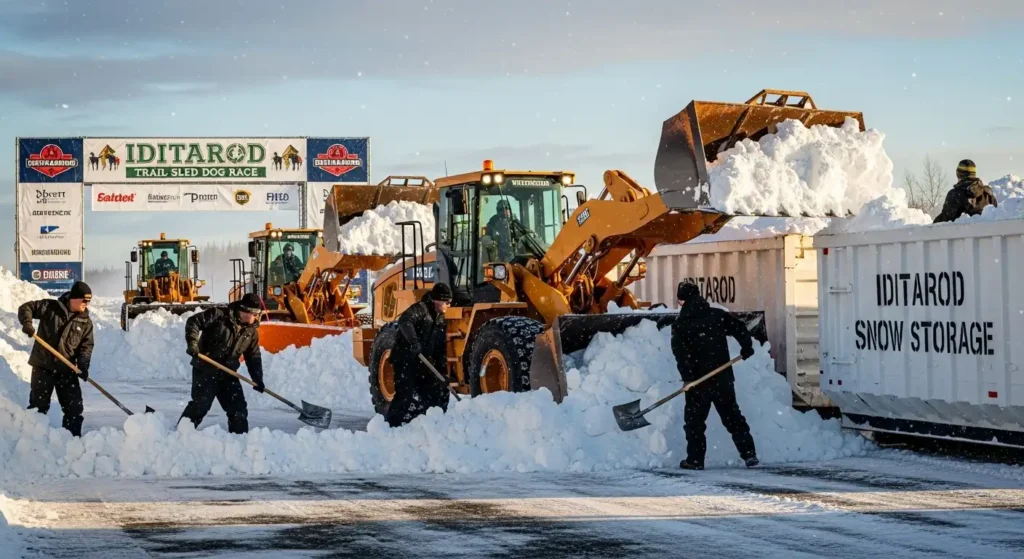
In some locations, operators are exploring methods like snow stockpiling, where snow is collected and stored in piles to ensure there’s enough coverage for sleds. In more advanced cases, snow machines are being used to supplement natural snowfall, allowing tours to proceed even when conditions are less than ideal.
Training Adjustments
Since sled dog teams are trained year-round, the training methods are evolving. As warmer winters reduce the number of days that mushers can train on snow, more off-season work is being incorporated into training programs. Mushers are relying more on dryland training techniques, including sleds with wheels and running dogs alongside carts.
This dryland training keeps the dogs physically fit, ready to handle the long races or tours, regardless of snow conditions. It also allows mushers to assess the dogs’ endurance and capability even during the warmer months, ensuring that teams are race- and tour-ready when winter finally arrives.
2.3 Diversification of Offerings
To stay viable in a warming climate, many operators are diversifying their offerings. While traditional sled dog tours on snow remain the cornerstone of the industry, many operators are expanding into new forms of dog-powered experiences. For instance, some operators are offering summer cart rides or off-season dog sled adventures on wheeled vehicles. These alternatives allow guests to experience dog mushing in a different way when snow is unavailable.
Additionally, some mushers are offering more flexible tours, with shorter routes or adjusted itineraries to account for changing trail conditions. The ability to adapt to the conditions at a moment’s notice is becoming a critical part of an operator’s service.
Dog Welfare and Training Adjustments
Dog welfare remains the top priority for sled dog operators, and with warmer winters, ensuring the health and well-being of the dogs has become even more critical. Mushers are implementing more rigorous monitoring systems to track the health and performance of their dogs, using GPS and fitness trackers to ensure the dogs are not overexerted.
In addition to adjustments in training, the breeding programs are evolving. Sled dogs are now being selected for traits that can withstand both warmer temperatures and the physical demands of modern mushing. This change is critical to maintaining the long-term viability of sled dog racing and touring.
What It Means for Guests of Sled Dog Tours
If you’re planning to embark on a sled dog adventure, it’s essential to understand how the changing climate may impact your experience. Here’s what to expect:
Choosing the Right Time and Operator
With fluctuating snow conditions, it’s crucial to book tours with operators who can adapt quickly to changing weather patterns. Be sure to ask about their contingency plans for warm winters, such as shorter tours or alternate routes.
When booking, inquire about trail conditions and the experience of the mushers in managing less-than-ideal conditions. A knowledgeable operator will be upfront about what guests can expect and will help adjust itineraries as needed to ensure a great experience.
Expect Flexibility
Due to the unpredictable nature of warmer winters, guests should be prepared for more flexibility during their tours. Whether it’s a shortened ride or a rerouted trail, operators may need to make adjustments based on real-time conditions. Be open to changes in the itinerary and remember that the primary goal is always to maintain safety for both guests and dogs.
Gear Up for the Conditions
Depending on the region, snow may not be as deep or as consistent as it once was. This means that you might need to dress differently than you would have in the past. Check with the operator on what gear is provided and what you should bring. In some cases, waterproof clothing, layers for milder conditions, and sturdy footwear might be necessary instead of the usual heavy-duty winter gear.
Case Studies: How the Industry Is Responding
Alaska’s Iditarod and Snow Stockpiling
As mentioned earlier, the Iditarod is a prime example of how operators are adjusting to warmer winters. The race has implemented snow stockpiling and even moved start locations to higher altitudes in years where snow coverage was inadequate. These strategies help ensure that the race can continue despite the challenges posed by a warmer climate.
Yukon and Northern Races Rerouting
In the Yukon region, the famous sled dog races are being rerouted to avoid open water on previously reliable frozen trails. Operators are adjusting routes and distances to keep safety paramount, while still offering guests the thrill of dog mushing.
Looking Ahead: What the Future May Hold
The future of sled dog adventures in a warmer world is one of adaptation and innovation. As the climate continues to change, sled dog operators will need to continually adapt by offering flexible tours, investing in new technologies, and enhancing the welfare of their teams. Guests can expect a more dynamic experience, where the connection with nature and animals will remain at the heart of the adventure, no matter what the weather brings.
Conclusion
Warmer winters are a clear signal that the sled dog industry must adapt. While these changes may present challenges, they also offer opportunities for innovation and improved practices. Whether you’re a passionate musher or an eager guest looking for a unique adventure, the sled dog experience will continue to evolve, ensuring the spirit of mushing lives on — no matter the weather.
Feel free to copy and paste this expanded content into your WordPress editor. It includes additional information and external links to authoritative sources for further reading.