Dryland training for sled dogs is becoming one of the most important topics in modern mushing. For years, many people pictured sled dog training as something that happened only once snow arrived. That picture no longer tells the full story. In 2026, warmer winters, shorter cold seasons, and less predictable trail conditions are pushing mushers to adapt faster than ever. For working dog teams, maintaining fitness cannot depend on perfect snow anymore. It has to include off-season conditioning, smarter recovery, and better planning long before the first real winter run.
That is exactly why this topic fits Outlaw Ridge Sled Dogs so well. Your site already explores how warmer winters are reshaping sled dog adventures, how modern training and technology are changing mushing, and why day-to-day care matters so much in the life of a musher. This article builds naturally on those ideas by focusing on a practical question readers are asking more often: how do sled dogs stay fit and safe when snow arrives later, disappears earlier, or never becomes reliable enough for normal preseason work?
Why Dryland Training for Sled Dogs Is Trending in 2026
Dryland training for sled dogs is trending because climate patterns are forcing mushers to rethink how teams are prepared. In many regions, winter windows are less dependable than they used to be. That matters for any sled dog operation, whether the goal is racing, touring, or maintaining healthy working dogs for guest experiences. Conditioning cannot be left until the snow is finally deep enough. By then, teams may already be behind where they need to be physically.
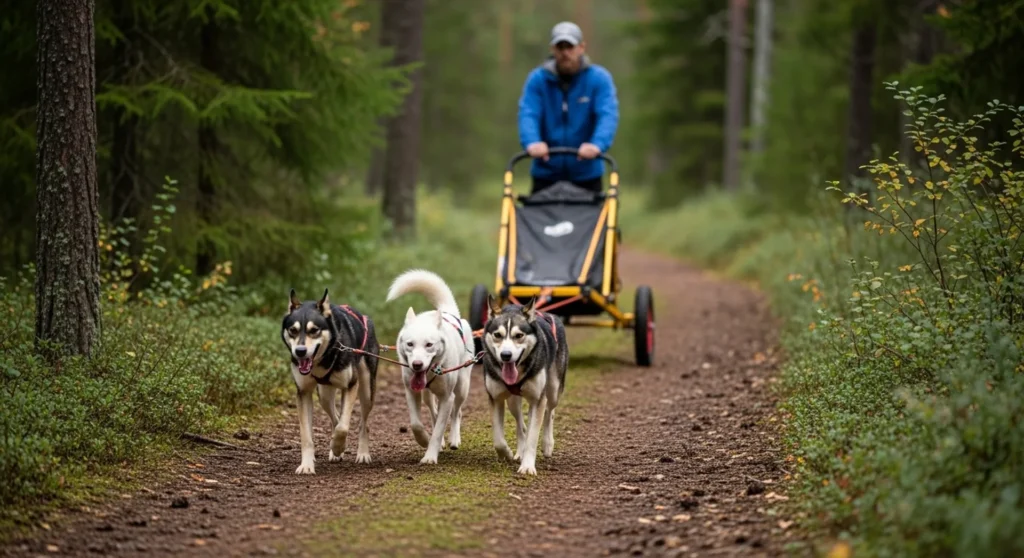
Modern mushing is adjusting to that reality. Instead of waiting for ideal snow, many handlers are building endurance and discipline with wheeled rigs, scooters, ATVs used carefully in controlled ways, structured trail running, and shorter repeated workouts. The goal is not to replace snow work completely. It is to make sure dogs enter winter ready for it instead of starting from zero the moment weather finally cooperates.
Why warmer winters are pushing more mushers toward dryland work
Shorter and less predictable cold seasons create a simple problem: dogs still need conditioning, but snow is no longer guaranteed on schedule. For sled dog teams, that makes the off-season more important than ever. Dryland work gives mushers a way to preserve endurance, maintain pulling form, reinforce commands, and keep dogs mentally engaged even when trail conditions are not ready for full sled travel.
Dryland training keeps teams consistent when snow is unreliable
Consistency is one of the biggest benefits of dryland training. A working team cannot afford long gaps where fitness drops and trail habits get rusty. When training pauses too long, dogs may lose conditioning, gain excess weight, or return to the season needing a rushed buildup that increases injury risk. Dryland sessions help avoid that problem by spreading work more evenly through the year.
This is especially important for teams that provide guest rides and adventure experiences. Visitors may see the magic of the ride, but what keeps that experience safe and enjoyable is the long foundation underneath it. Dogs that are conditioned gradually and managed carefully are far more likely to work with focus, recover well, and stay enthusiastic about the job. That fits the larger Outlaw Ridge approach described on your About page and throughout your blog.
Dryland training also sharpens handling and teamwork
Conditioning is not only about physical fitness. It is also about communication. Dogs still need to hear commands, respond as a team, and build confidence with their musher. Dryland setups give handlers a way to practice line manners, teamwork, start control, pacing, and trail focus before winter travel becomes the main event. In many ways, these sessions are where discipline gets built.
That is one reason dryland training for sled dogs fits so well with your site’s existing content on the history of dog sledding and the evolution of the sport. Mushing has always adapted to conditions. The tools may be more modern now, but the core idea remains the same: train the team you have, respect the land you are working in, and prepare in a way that protects both performance and welfare.
Why safety matters more than intensity in dryland training for sled dogs
One mistake people make when they first hear about dryland work is assuming it is simply a substitute for harder or faster training. That is the wrong mindset. Dryland training should be structured around control, temperature, terrain, and recovery. Unlike snow, dry ground can create more impact on joints and paws. Warmer air can also raise overheating risk faster than many people expect, especially with thick-coated working dogs.
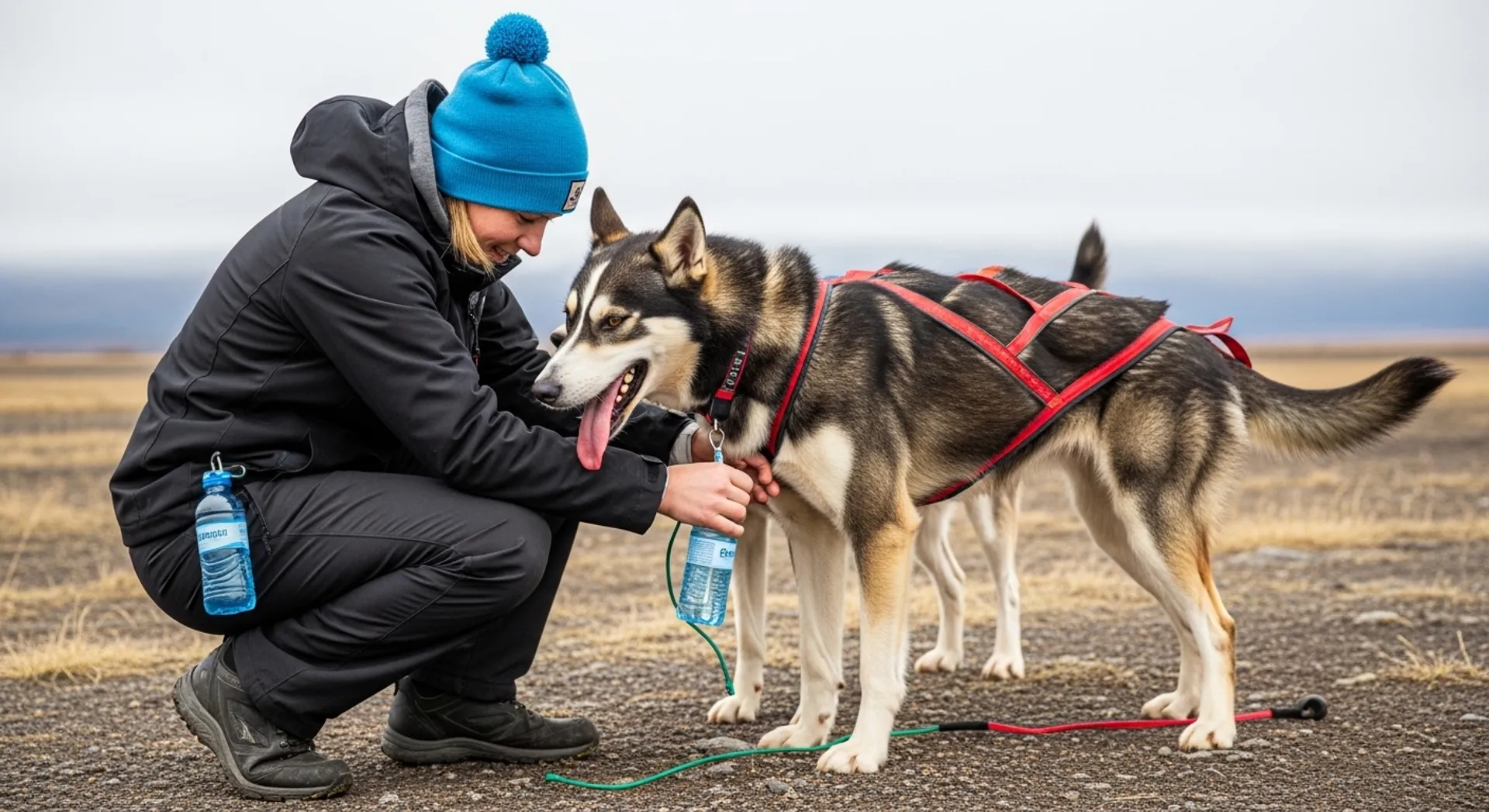
That is why smart mushers train early in the day, use shorter sessions when conditions are warmer, monitor breathing closely, and build recovery into every workout. The most successful teams are not the ones that push hardest at all times. They are the ones that know when to stop, cool down, hydrate, and save the dog for the next session.
How to Build a Safer Dryland Training Routine for Sled Dogs
The best dryland training for sled dogs is deliberate, not improvised. It starts with knowing the dogs, choosing the right equipment, watching the weather, and setting a goal for each session. Some days may be about endurance. Others may focus on obedience, pacing, or confidence with a wheeled rig. What matters is that the work matches the dogs’ conditioning level and the environment they are training in.
For teams that also host guests or teach beginners, this matters even more. A dog that is conditioned thoughtfully is not just stronger. That dog is also more predictable and more comfortable in its routine. That benefits everyone, from the musher to the first-time rider reading your beginner-focused content or browsing the Sled Dog Adventures section to plan a future trip.
What a smart dryland training for sled dogs plan looks like
A solid plan usually starts with moderate sessions and clear observation. Mushers should watch how quickly dogs settle into harness, how they carry themselves after the run, how fast they recover, and whether paws, shoulders, or wrists show any signs of soreness. Nutrition matters too, which is why this topic connects naturally to your existing post on the role of nutrition in sled dog performance. Conditioning, feeding, hydration, and rest all work together. There is no shortcut around that.
Start with cool conditions and controlled distances
Early morning, cooler temperatures, and shaded terrain are usually the safest foundation for dryland work. The goal is not to prove how much the dogs can tolerate. The goal is to finish the session with dogs that still look composed, eager, and able to recover cleanly. Distance and pace should increase only when the team is showing that it is ready.
Recovery signs matter just as much as performance during the run. Excessive panting, frantic behavior, bright red gums, unusual drooling, stumbling, or lagging behind can signal overheating or overexertion. Those are not signs to “push through.” They are signs to stop, cool down, and reassess. For readers who want an outside veterinary resource, the AKC guide to overheating in dogs is a strong authority link, and the Royal Veterinary College heatstroke guide is also useful for warning signs and response basics.
Use recovery, hydration, and rest as part of the program
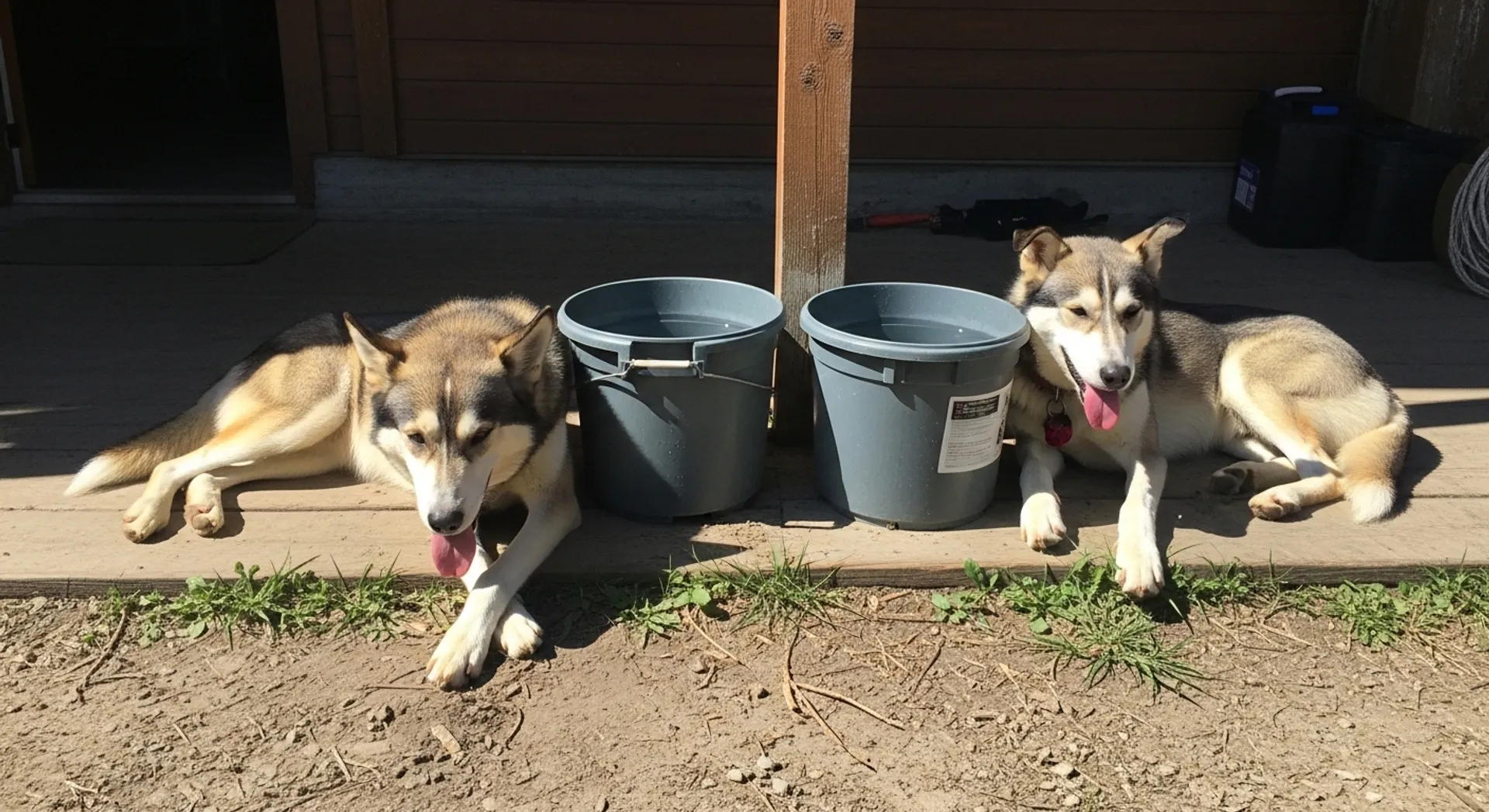
Too many people talk about conditioning as if it begins and ends when the wheels stop moving. Real conditioning includes what happens after the effort. Water access, shade, cooldown walks, paw checks, and calm post-run recovery all matter. Dogs that recover well are better able to build fitness gradually. Dogs that are repeatedly pushed too hard may lose enthusiasm, break down physically, or show avoidable stress signs.
This is one reason your readers will likely respond well to a practical, care-first article like this. It connects adventure with responsibility. It also reinforces the message already visible on your site: great sled dog experiences depend on healthy dogs, thoughtful mushers, and respect for changing conditions. That message fits perfectly with your home page, your main site, and the broader trail stories you publish throughout the year.
Dryland training for sled dogs is trending in 2026 because it solves a real problem. Winters are becoming less predictable, and sled dog teams still need a safe, structured way to stay ready. For mushers, that means adapting without losing the values that make dog sledding special. For readers and future guests, it offers a behind-the-scenes look at the work required to keep a team fit, eager, and prepared for the trail. And for a site like Outlaw Ridge Sled Dogs, it is exactly the kind of topic that feels timely, useful, and naturally connected to the content you already do well.