
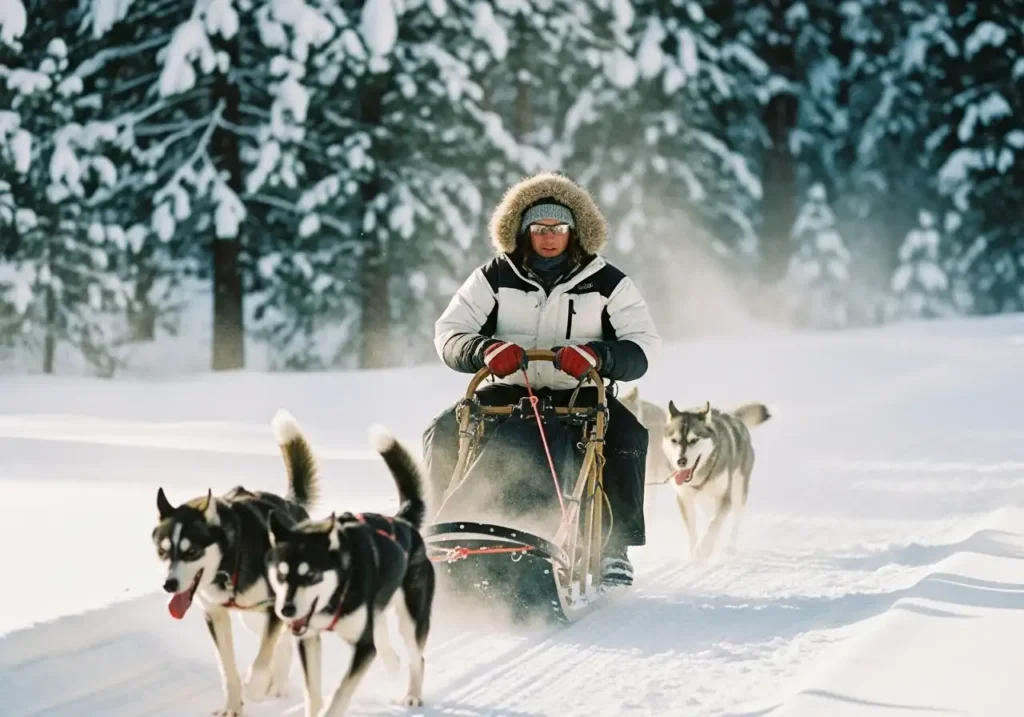
A sled dog excursion is one of the most thrilling winter adventures, but it can also be one of the coldest. Whether you’re a seasoned musher or embarking on your first dog sled ride, staying warm is crucial for an enjoyable and safe experience. The wind chills, the snow, and the long hours on the trail can leave you feeling uncomfortable if you’re not properly prepared. In this guide, we’ll walk you through the best ways to stay warm on your sled dog excursion, with tips ranging from layering strategies to gear recommendations.
- Dress in Layers: The Foundation of Warmth
When it comes to staying warm, layering is your best friend. Layering traps heat and allows you to adjust your temperature as needed throughout the day. Here’s how to layer effectively for your sled dog adventure:
- Base Layer:
Your base layer is the first line of defense against the cold. Look for moisture-wicking materials like merino wool or synthetic fabrics that keep sweat away from your skin. Avoid cotton, as it absorbs moisture and loses its insulating properties when wet. The base layer should fit snugly, ensuring it traps body heat without being too tight. - Middle Layer:
The middle layer serves as insulation. Fleece, down, or synthetic jackets are ideal for this purpose. Fleece is lightweight and breathable, while down provides excellent warmth for extreme cold. If you opt for down, ensure the jacket is water-resistant to prevent the insulation from losing its effectiveness in wet conditions. - Outer Layer:
Your outer layer is your shield against the wind, snow, and rain. Choose a waterproof and windproof jacket or parka with sealed seams. A good outer layer will keep the snow from soaking through while allowing moisture from sweat to escape. Look for jackets with ventilation zippers that can be opened when you start to get warm.
External Link:
For more advice on winter clothing and layering, visit Outdoor Gear Review, a leading resource for cold-weather gear.
- Invest in High-Quality Footwear
Your feet are likely to be in contact with snow and ice for hours on end, so it’s important to keep them warm and dry. Wet or cold feet can lead to frostbite and discomfort, making it difficult to enjoy your sled dog excursion.
- Boots:
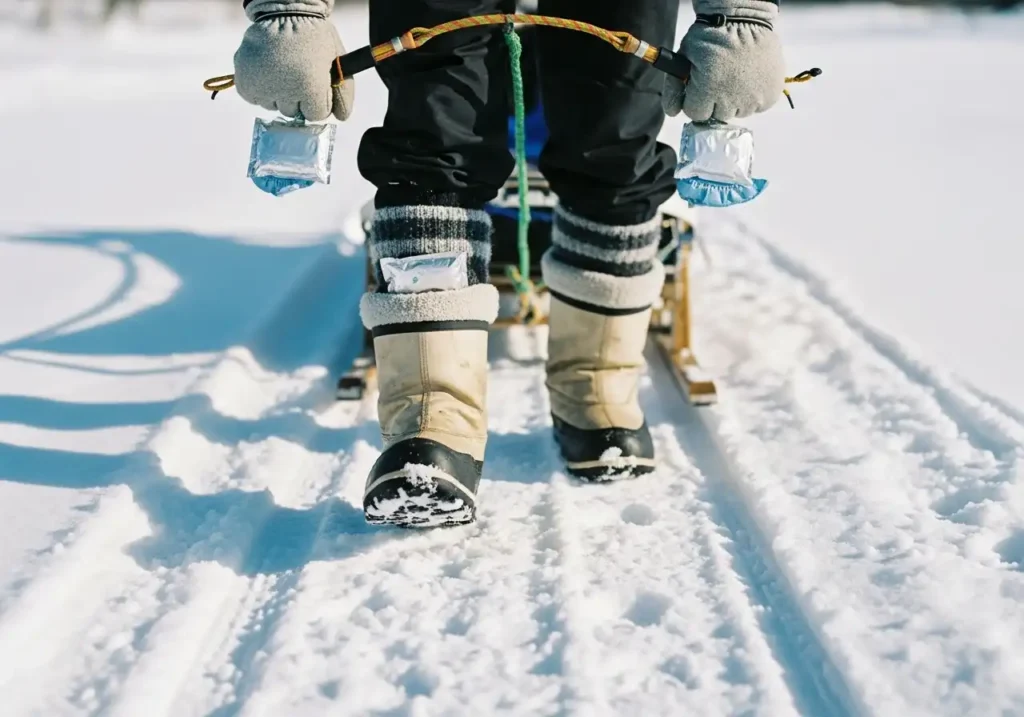
Look for boots that are waterproof and insulated, with a high shaft to keep snow from getting inside. Insulated boots are essential for preventing heat loss, especially in temperatures well below freezing. Consider boots that have a temperature rating, such as -40°F, to ensure they can handle extreme cold. - Socks:
Wool socks are the best option for winter excursions. Merino wool is particularly effective at wicking moisture and insulating even when damp. Avoid wearing cotton socks, as they hold moisture and can make your feet cold. Always bring an extra pair of socks, just in case your feet get wet. - Foot Warmers:
If you tend to get cold feet, consider using disposable foot warmers. These small packets can be placed inside your boots and will generate heat for several hours. They’re a simple and effective way to ensure that your feet stay toasty.
- Protect Your Hands and Fingers
Your hands are constantly exposed to the cold while handling the sled and guiding your dog team. To keep your hands warm, follow these tips:
- Gloves and Mittens:
Consider wearing mittens instead of gloves. While gloves give your fingers individual movement, mittens keep them together for shared warmth. Choose mittens that are insulated, waterproof, and breathable. Look for a pair with a removable liner for added flexibility. - Hand Warmers:
Disposable hand warmers can also be used inside your gloves or mittens. They’re small packets that generate heat and are perfect for keeping your hands warm when you’re on a long ride. - Layered Gloves:
Another option is to wear a thin pair of moisture-wicking liner gloves underneath your thicker, insulated mittens or gloves. This extra layer provides added warmth and moisture control, which is especially helpful when you’re working hard and your hands sweat.
- Don’t Forget Your Head and Ears
A significant amount of body heat is lost through the head and ears, so keeping them warm is essential. In fact, studies show that up to 50% of body heat can escape from an uncovered head in cold conditions. Here’s how to protect your head:
- Insulated Hat or Balaclava:
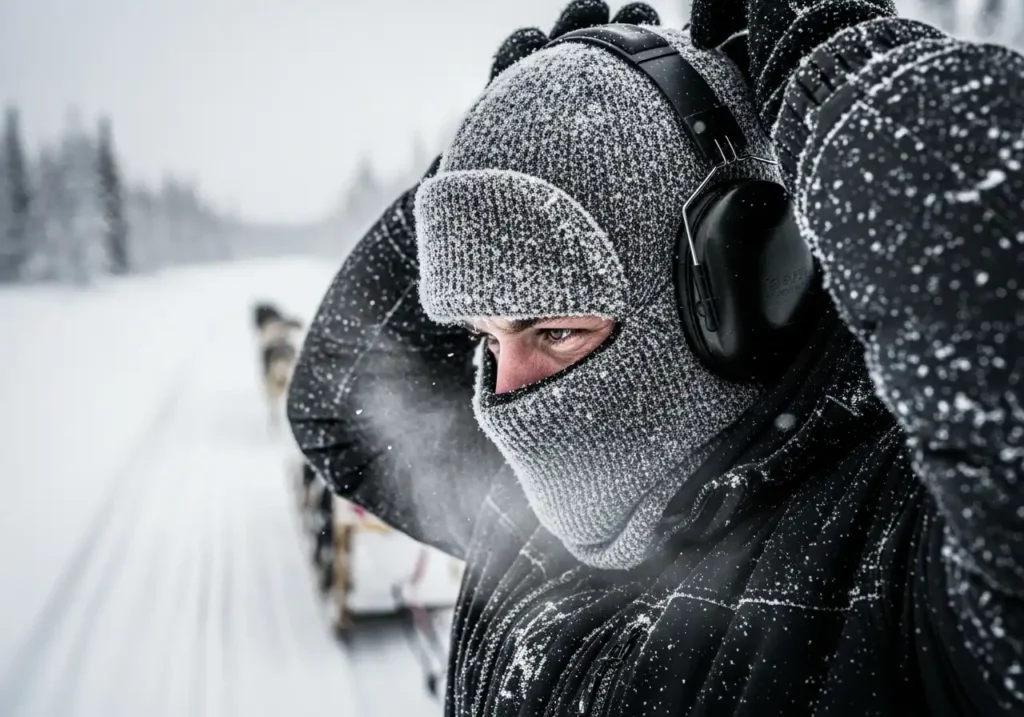
An insulated hat, preferably made of wool or fleece, is essential for keeping your head warm. A balaclava is also a great option, as it covers your entire head, neck, and ears, providing extra protection from the cold. Look for one that’s breathable and moisture-wicking to prevent sweat buildup. - Ear Protection:
In extreme cold, your ears are particularly vulnerable to frostbite. A headband or earmuffs that cover the ears and keep them insulated is highly recommended. Some balaclavas come with built-in ear protection, but if yours doesn’t, be sure to use a separate headband or earmuffs.
- Layer Up on Your Bottom Half
When you’re sitting on the sled or riding behind the team, your legs can become chilled, especially when exposed to the wind. Keeping your bottom half warm is just as important as protecting your upper body.
- Insulated Pants:
Choose waterproof and windproof pants to protect against snow and freezing winds. Insulated pants, such as those filled with down or synthetic materials, will keep your legs warm during the ride. - Thermal Leggings:
Wearing thermal leggings or long underwear under your pants will add an extra layer of warmth. Merino wool is a great option for thermal leggings, as it’s lightweight and effective at regulating body temperature. - Snow Pants:
Some mushers choose to wear snow pants over their regular pants for extra protection. These are designed to keep snow and wind from penetrating, allowing you to stay comfortable and warm throughout the journey.
- Hydrate and Fuel Up
While staying warm is crucial, it’s equally important to fuel your body with the right nutrients and hydration. Eating a high-energy snack and staying hydrated will keep your body running efficiently and help it maintain heat.
- Warm Drinks:
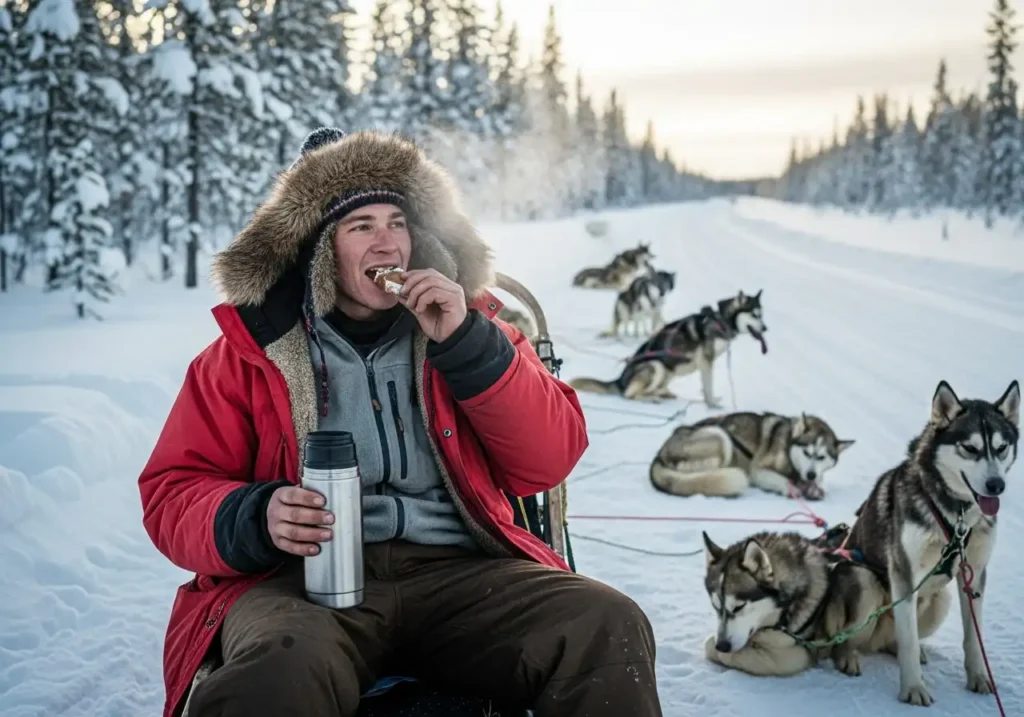
Warm liquids such as tea, coffee, or hot chocolate are great for warming you up. A thermos with a hot drink can be a lifesaver on long sledding days. Be sure to drink plenty of water as well—dehydration can make you feel colder than you really are. - High-Energy Snacks:
Pack energy-dense snacks like nuts, granola bars, or dried fruit. These snacks will provide your body with the fuel it needs to keep moving and stay warm. Avoid sugary snacks that can cause energy crashes.
Conclusion:
Staying warm on a sled dog excursion is all about preparation. By dressing in layers, investing in quality gear, and following these tips, you’ll be able to enjoy your adventure without letting the cold get the best of you. Don’t forget that your sled dogs need to stay warm too, so it’s essential to consider their needs while planning your trip. Whether you’re on a short day ride or a multi-day excursion, staying warm will keep you comfortable, safe, and ready to enjoy the beauty of the snow-covered trails.