
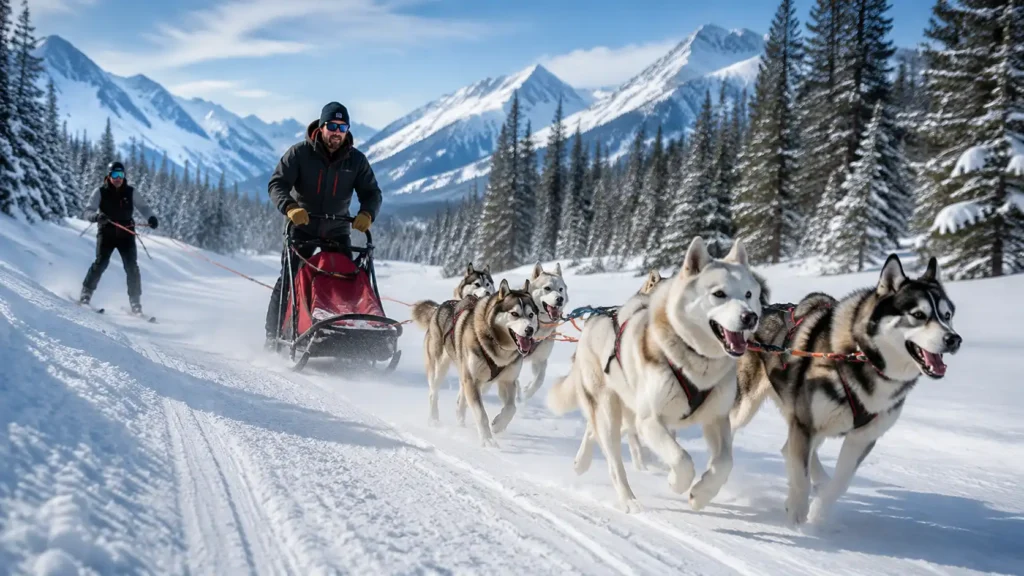
Winter sports enthusiasts often face a fun yet challenging choice: should they try skijoring, where a dog pulls a skier, or stick to the classic excitement of dog sledding? Both activities offer thrilling experiences in snowy landscapes, promote fitness, and deepen the bond between human and canine, but they differ in pace, skill, and style. This guide explores the distinctions between the two sports to help you determine which one fits your lifestyle, goals, and sense of adventure.
History and Origins
Dog-powered winter sports have a rich history across North America and Europe. Dog sledding dates back thousands of years, when indigenous peoples and explorers relied on sled dogs to transport goods and navigate harsh winter terrain. Sledding eventually evolved into a competitive sport, inspiring famous races like the Iditarod in Alaska, the UP 200 in Michigan, and the Fur Rendezvous World Championship Sled Dog Races.
Skijoring, a term derived from the Norwegian word “skikjøring,” combines skiing with dog power. This sport began in Scandinavia as a practical way to travel snowy landscapes using a single dog to pull a skier. Over time, it became a recreational and competitive sport, gaining popularity in the United States, especially in the northern states where winters provide consistent snow and open trails. Today, skijoring races occur across the U.S., often alongside sled dog events, allowing skiers to experience the rush of dog-powered speed while engaging directly in the sport.
Gear and Equipment
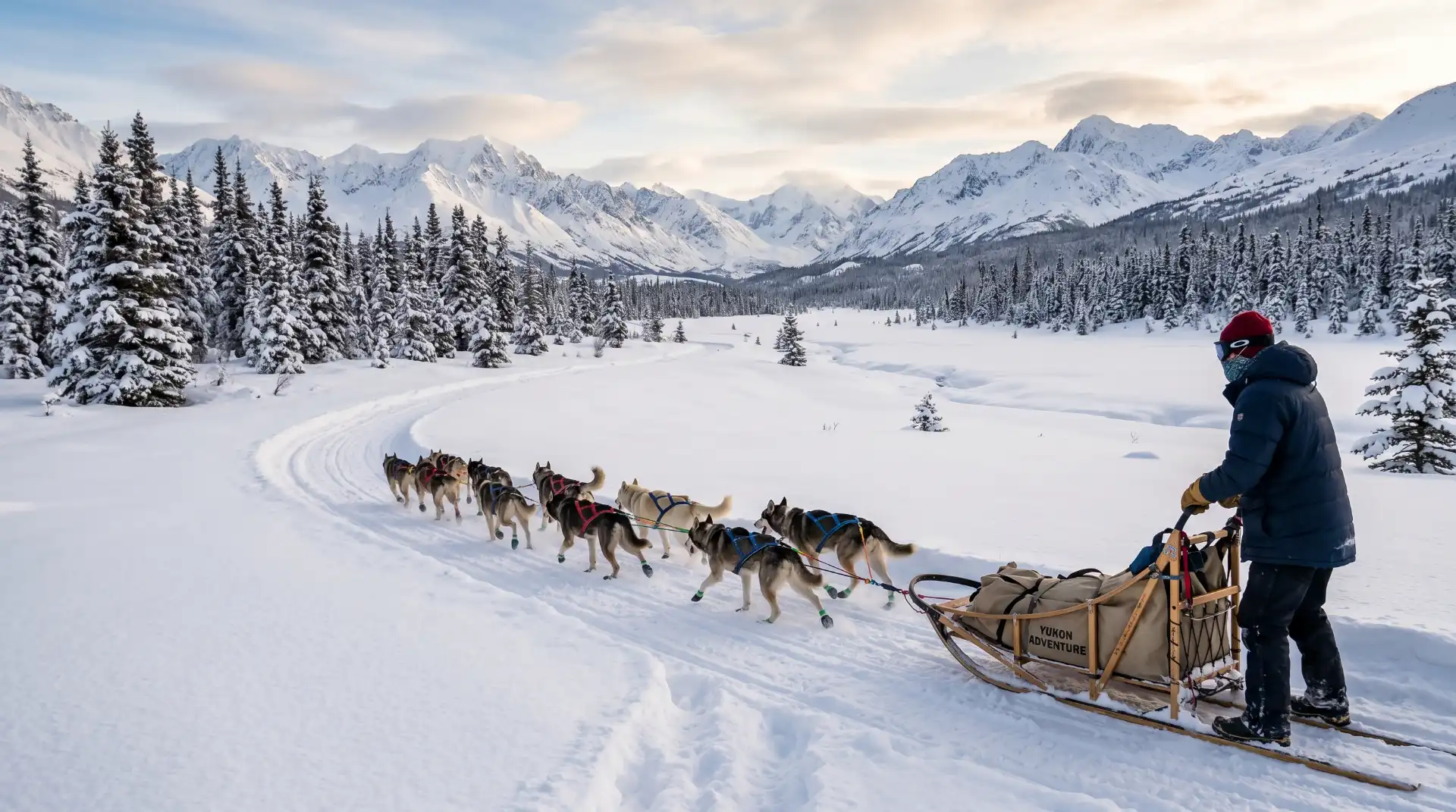
Choosing the right gear is essential for both skijoring and sledding. For dog sledding, a sled team requires multiple dogs harnessed to a sled designed for stability, speed, and cargo capacity. Sleds come in a variety of types, from lightweight racing sleds to heavier expedition sleds capable of carrying supplies for multi-day treks. Proper winter clothing, boots, gloves, and protective eyewear are also crucial, as mushers spend long periods exposed to cold temperatures.
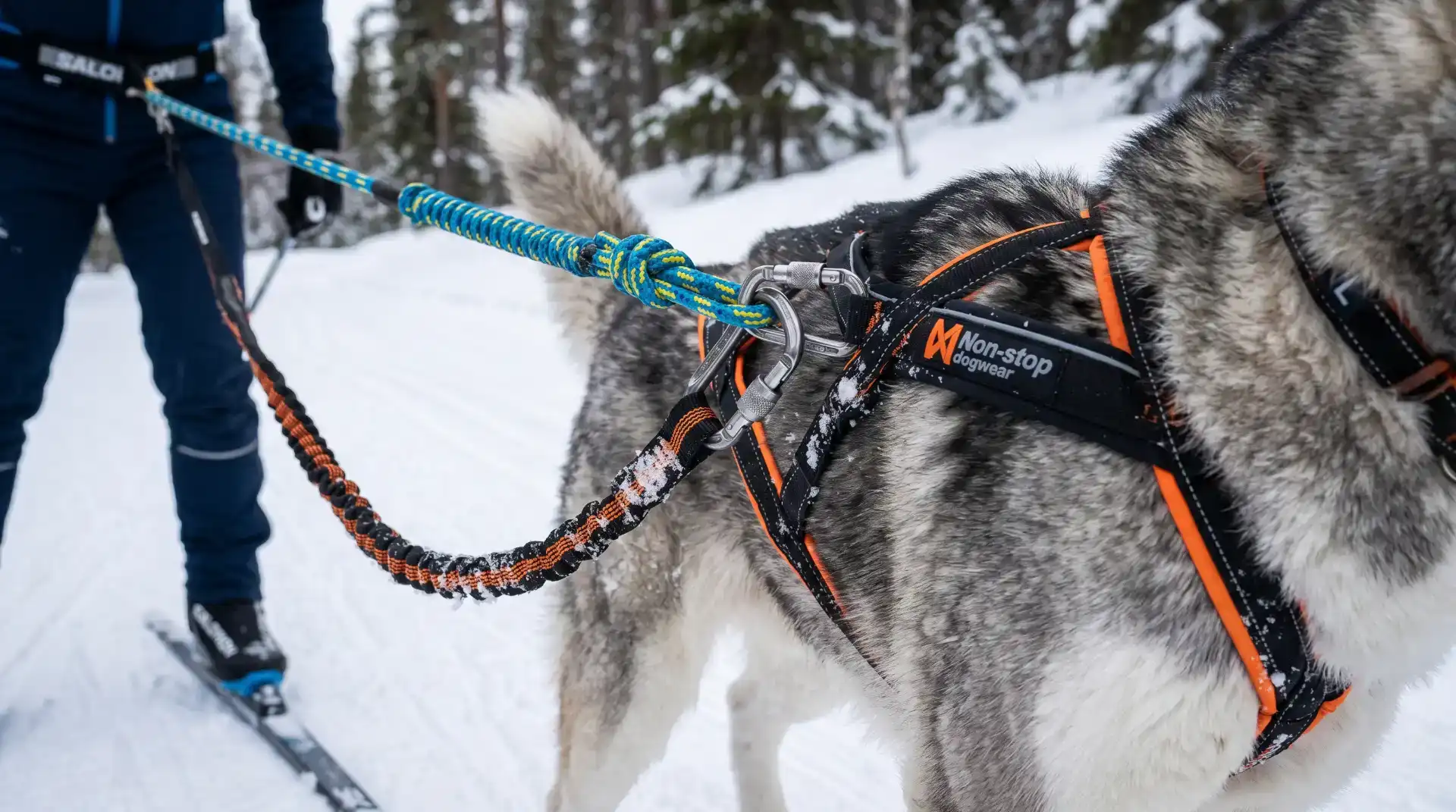
In contrast, skijoring gear is minimal but specialized. A skijoring skier typically uses cross-country skis, a skijoring belt, a bungee line, and a harness for the dog. The equipment must allow for flexibility and safe energy transfer between skier and dog. Dogs wear specially designed skijoring harnesses that distribute pulling force evenly across their bodies. Some enthusiasts also use hand-held poles with grips for balance and steering. While skijoring requires less investment in multiple dogs or large sleds, the skier must be prepared for speed and agility demands, especially on narrower trails.
For more information on winter sports gear for dogs, you can check the American Kennel Club’s guide.
Physical Requirements and Skills
Both sports offer physical benefits, but the demands differ. Dog sledding is a team sport where the musher controls the sled while guiding multiple dogs across varying terrain. Strength, endurance, and stamina are essential, but the activity also relies on dog power for locomotion. Mushers must master trail navigation, braking techniques, and commands to coordinate their team effectively. Multi-day expeditions require mental endurance, careful planning, and consistent physical output over long hours in extreme weather.
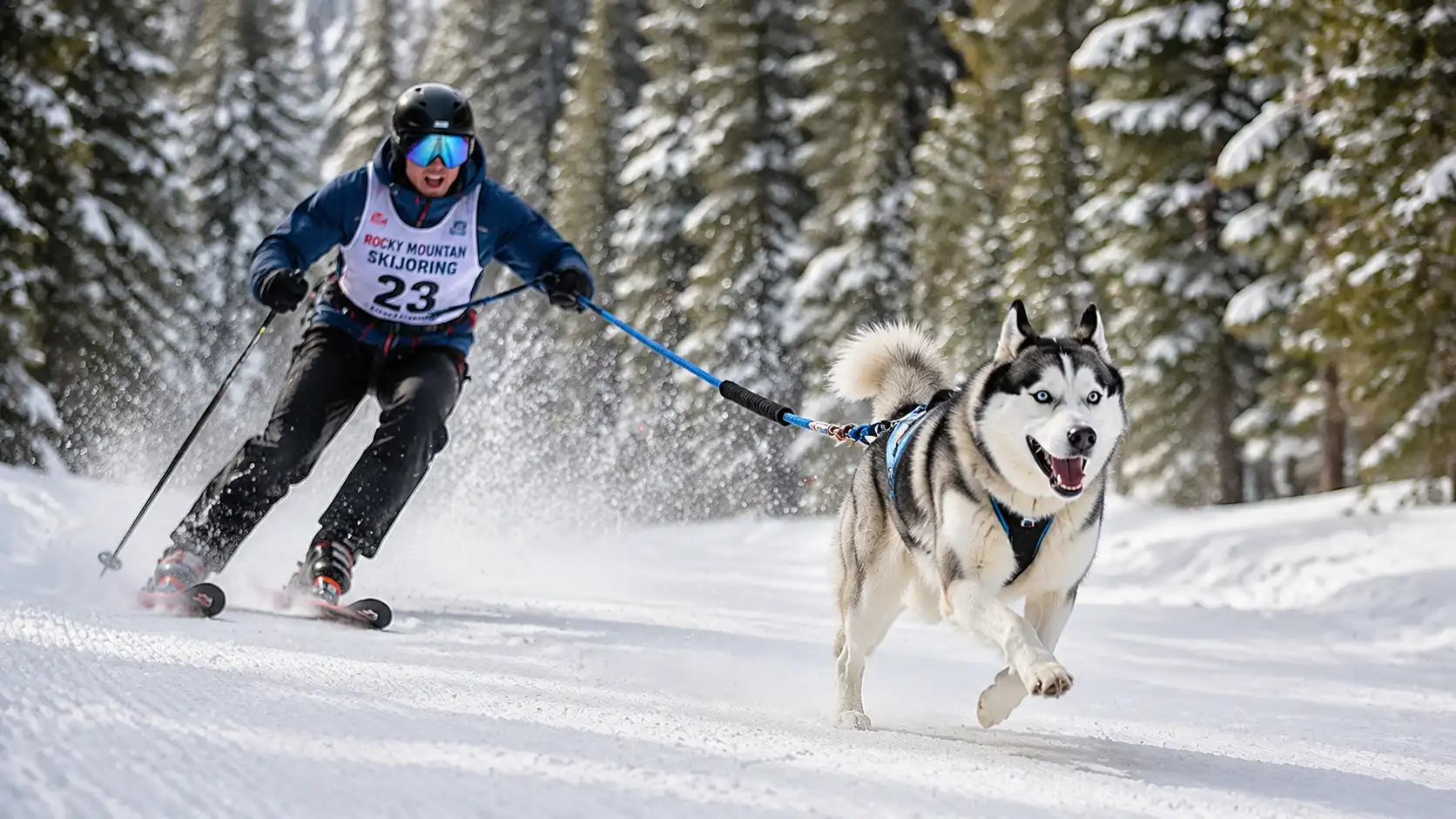
Skijoring is more physically intense for the human participant. The skier must maintain balance, coordination, and cardiovascular endurance while being pulled by one or more dogs. Leg strength and core stability are crucial, particularly on trails with hills, turns, or varying snow conditions. Skijoring allows humans to actively participate in propulsion, unlike sledding, which depends more heavily on the team of dogs. For beginners, practicing cross-country skiing before attempting skijoring is often recommended to prevent falls or injuries.
Trail Experiences
Trail experiences vary depending on whether you choose sledding or skijoring. Sledding trails accommodate full teams and sleds, offering wide, groomed paths for long-distance travel. Mushers can traverse open wilderness, frozen lakes, and forested routes, often covering dozens of miles in a single day. Longer sledding adventures allow participants to immerse themselves in snowy landscapes, witness wildlife, and enjoy the camaraderie of their dogs. Multi-day treks provide opportunities to camp in winter wilderness, giving a sense of adventure and self-reliance.
Skijoring trails are narrower and often overlap with ski or multi-use recreational paths. Skijoring emphasizes speed and agility rather than distance, creating a more high-energy experience with rapid acceleration and frequent direction changes. Skijoring is ideal for participants seeking a shorter but adrenaline-packed outing with their dog. Trails for skijoring are often closer to towns or ski resorts, making them more accessible for casual enthusiasts compared to remote sledding expeditions.
Training and Dog Requirements
Sled dogs are selected for endurance, strength, and ability to work in teams. Breeds such as Alaskan Huskies, Alaskan Malamutes, and Samoyeds dominate the sport due to their stamina, intelligence, and adaptability to cold climates. Training sled dogs involves daily runs, obedience commands, and coordination to pull a sled in unison. Mushers must balance workloads, nutrition, and rest to maintain peak performance over long distances.
Skijoring dogs can be one or two at a time, making it more accessible for pet owners or families with a single dog. While Huskies and Malamutes perform well, other active breeds with strong drive, like Border Collies or Labrador Retrievers, can enjoy skijoring. Training includes teaching dogs to pull in a straight line, respond to voice commands, and maintain pace with the skier. Skijoring often strengthens the bond between dog and human due to the direct participation and interaction required.
Pros and Cons
Dog Sledding Pros:
- Immersive winter wilderness experience
- Teamwork and camaraderie with multiple dogs
- Exciting multi-day expeditions
Dog Sledding Cons:
- Requires larger commitment in gear and dogs
- Physically less demanding for the musher, more for dogs
- Limited accessibility in urban or suburban areas
Skijoring Pros:
- High-energy, fast-paced activity
- Suitable for single dog teams or pet owners
- Shorter preparation time and lower equipment costs
Skijoring Cons:
- Demands more human physical effort
- Limited to trails appropriate for skiing and dog pulling
- Learning curve for balancing and coordinating with the dog
Tips for Choosing the Right Winter Sport
When deciding between skijoring and dog sledding, consider your fitness level, available time, and dog resources. If you enjoy endurance challenges, exploring vast wilderness, and leading a team, sledding may suit you best. Conversely, if you prefer a quicker, more physically active experience and have one or two enthusiastic dogs, skijoring offers an excellent adrenaline rush. Consider starting with skijoring if you’re new to dog-powered sports, then progressing to sledding as you gain experience and confidence.
Conclusion
Whether you choose skijoring or sledding, both winter sports provide incredible opportunities to connect with your dog, enjoy snowy landscapes, and embrace adventure. Understanding the differences in skill, gear, trail type, and dog requirements will help you pick the activity that fits your lifestyle. With proper preparation and respect for your canine team, either sport can deliver unforgettable experiences in the snowy heart of the United States.
Call your local dog sledding or winter sports center to schedule a session or trial run, and experience firsthand which sport is right for you. For additional tips on winter sports for dogs, visit the American Kennel Club.