Sled dogs are known for their endurance, athleticism, determination, and ability to work as part of a coordinated team. Across Alaska and other northern parts of the United States, these dogs participate in competitive races, recreational mushing, wilderness expeditions, and guided dog sledding experiences. Their lives often revolve around training, running, teamwork, and the close relationships they develop with their mushers. However, every working dog’s career eventually changes. As dogs grow older, develop health limitations, or simply become less interested in pulling a sled, they may reach a point when continuing their previous workload is no longer appropriate.
This raises an important question for people interested in dog mushing and animal welfare: what happens to retired sled dogs after they stop racing or working? The answer depends on the individual dog, its health, the musher’s resources, and the retirement plan established by the kennel. Some dogs remain with the people who raised and trained them, becoming beloved companions and experienced members of the kennel. Others are placed with carefully selected adoptive families, while some continue participating in lower-intensity activities that suit their abilities.
Retirement does not necessarily mean a sled dog suddenly becomes inactive or loses its purpose. Many former racing dogs remain energetic, curious, social, and eager to participate in everyday activities. They may enjoy hiking, playing in a secure yard, exploring new environments, or simply spending more time with their human companions. Their needs may change, but their personalities and desire for interaction often remain strong.
Understanding the retirement process helps prospective adopters make informed decisions and encourages responsible practices throughout the mushing community. It also highlights an important principle: a sled dog’s value does not disappear when its racing career ends. These dogs deserve appropriate medical attention, comfortable living conditions, mental stimulation, and a stable home throughout their later years.
Why Sled Dogs Eventually Retire
Sled dogs are athletes, and like other working animals, they cannot be expected to maintain the same level of physical performance throughout their lives. Competitive racing requires endurance, strength, coordination, recovery, and the ability to work consistently in demanding weather conditions. Even dogs with excellent genetics and years of experience eventually experience physical changes that affect their ability to perform.
Retirement decisions are not based on one universal age. A dog participating in demanding distance races may need a different retirement schedule from a dog that pulls a recreational sled for shorter periods. Some dogs remain physically capable of running well into their later years, while others experience injuries or health conditions that make continued work unsuitable at a younger age. The dog’s overall condition, temperament, enthusiasm, and veterinary assessment should all influence the decision.
Age and Natural Physical Changes
As sled dogs grow older, their bodies gradually change. Muscle mass may decrease, recovery after exercise may take longer, and joints may become less flexible. A dog that once completed long training sessions without difficulty might begin showing stiffness after a run or need additional rest between activities.
These changes do not automatically mean that a dog is unhealthy. Aging is a natural process, and many older dogs remain active and comfortable when their exercise and care routines are adjusted appropriately. However, mushers must recognize that a dog should not be expected to maintain a demanding racing schedule simply because it performed well in previous seasons.
A responsible musher watches for changes in running speed, gait, appetite, enthusiasm, stamina, and recovery. A dog that consistently falls behind its teammates, appears uncomfortable after exercise, or becomes reluctant to participate may need a reduced workload or retirement. Veterinary guidance can help determine whether the changes are related to normal aging, an injury, or a treatable medical condition.
Injuries and Health Conditions
Not every sled dog retires because of old age. Some dogs leave competitive mushing after an injury, chronic joint problem, or other health condition makes high-intensity work inappropriate. Paw injuries, muscle strains, orthopedic conditions, and back problems can affect a dog’s ability to pull comfortably.
A dog may recover from an injury but still be unsuitable for racing. For example, a veterinarian might determine that a former racing dog can enjoy ordinary walks and recreational activity but should avoid repeated high-intensity pulling. In that situation, retirement does not necessarily mean the dog cannot exercise. It means the activity must be adjusted to protect its long-term health.
Medical retirement should include an appropriate treatment and recovery plan. Depending on the condition, that may involve medication, rehabilitation, controlled exercise, weight management, or changes to the dog’s living environment. A dog should not be placed in an adoptive home without explaining any known medical limitations and ongoing care requirements.
Changes in Motivation and Temperament
Physical ability is only one part of retirement planning. A sled dog may remain healthy and strong but become less enthusiastic about racing. Individual dogs have different personalities, and not every dog enjoys the same activities throughout its life.
Some dogs continue showing excitement when they see harnesses and running equipment. Others gradually prefer shorter outings, relaxed kennel routines, or more time with people. A dog that once enjoyed competitive activity may become more interested in exploring its surroundings or receiving individual attention.
Mushers should recognize these differences rather than assuming that every dog wants to work indefinitely. A dog’s enthusiasm matters because a suitable retirement plan should support its physical and behavioral well-being. A dog that no longer enjoys racing may still thrive as a companion, recreational mushing partner, or much-loved member of the kennel.
Where Do Retired Sled Dogs Go?
There is no single retirement destination for every sled dog. Responsible mushers consider the dog’s health, personality, socialization history, and living preferences before deciding what happens next. The most suitable arrangement is one that provides long-term care and matches the individual dog’s needs.
Staying With the Original Musher
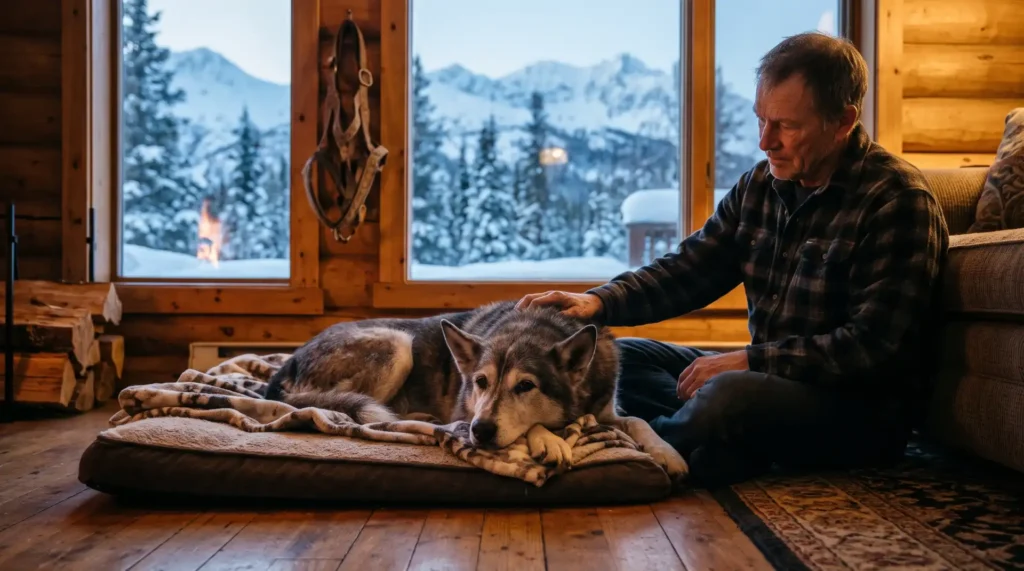
Some retired sled dogs remain with the musher who raised, trained, and cared for them. This arrangement can be particularly beneficial for dogs that have spent most of their lives in a familiar kennel environment.
The musher already understands the dog’s personality, daily habits, relationships with other dogs, and medical history. The dog may also be comfortable with the kennel’s routines, familiar people, and surroundings. Keeping the dog in a known environment can reduce the stress associated with a major life change.
Retired dogs may continue living alongside younger team members without participating in demanding training sessions. They can enjoy supervised play, relaxed walks, social interaction, and comfortable resting areas. Some experienced dogs also help younger animals become familiar with kennel routines, although their participation should be based on temperament and comfort rather than an expectation that they must continue working.
For mushers who operate larger kennels, keeping every retired dog may become financially and practically challenging. Veterinary expenses, food, housing, and daily attention continue long after a dog’s racing career ends. This is why retirement planning should begin well before a dog leaves the team.
Adoption Into a Private Home
Adoption is another important retirement option. A former sled dog may become a companion for an individual, couple, or family that can provide appropriate exercise, attention, veterinary care, and a safe living environment.
Organizations such as Voyageur Outward Bound School’s Sled Dog Adoption Program work to find retirement homes for dogs after their working careers. Its program considers factors such as the prospective adopter’s experience, household, other pets, children, and available living arrangements. The organization also describes placing retired dogs in homes across the country.
Voyageur Outward Bound School
Adoption can give a retired sled dog the opportunity to experience a different lifestyle. Instead of following a kennel schedule, the dog may spend its days walking with its owner, resting indoors, exploring a fenced yard, or joining family activities. Some former sled dogs adapt quickly to household life, while others need additional time and training.
The important point is that adoption should be based on compatibility rather than appearance or enthusiasm alone. A beautiful, energetic Husky may attract many applicants, but the best home is one that understands the dog’s actual needs.
Remaining in a Kennel as a Retired Dog
Some retired sled dogs remain in a working kennel even when they no longer participate in races or tours. This arrangement can be appropriate when the facility has sufficient space, staffing, and resources to provide long-term care.
A retired dog may enjoy familiar surroundings, established relationships with other dogs, and regular interaction with experienced handlers. It may have a comfortable resting area and opportunities for gentle exercise without being expected to pull a sled.
This arrangement is especially valuable for dogs that struggle with major environmental changes or have medical or behavioral needs that make adoption difficult. A responsible kennel should not view retirement as a reason to reduce attention. Older dogs may need more monitoring, not less, as their health requirements change.
Transitioning to Less Demanding Activities
Not every dog needs to move directly from racing to a completely inactive lifestyle. Some former sled dogs remain interested in activities that are less physically demanding than competitive racing.
Depending on their health and temperament, they may enjoy short recreational outings, easy hiking, supervised play, or light dryland activities. However, any pulling or running activity should be approved by a veterinarian when the dog has a history of injury or age-related limitations.
The goal is not to extend a working career at all costs. It is to provide safe opportunities for exercise and engagement when the dog enjoys them. A retired dog should always be able to rest or decline an activity without pressure.
Do Retired Sled Dogs Make Good Pets?
Many retired sled dogs become wonderful companions, but they are not automatically suited to every household. Their working backgrounds can influence their exercise needs, social behavior, independence, and response to unfamiliar environments.
People considering adoption should understand that a retired racing dog may still have considerable energy. The word “retired” describes the end of its previous work, not necessarily the end of its active lifestyle.
Energy Levels and Exercise Requirements
Former racing dogs may remain more active than people expect. Years of conditioning and regular outdoor activity can produce dogs that enjoy running, exploring, and participating in structured activities. Some may be comfortable with long walks and hikes, while others need more moderate routines because of age or medical conditions.
Prospective adopters should ask about the dog’s individual exercise requirements. A dog that retired because of age-related joint problems may need shorter walks and controlled movement. A healthy former sprint dog might still enjoy regular outdoor adventures.
Exercise should be consistent rather than excessive. A retired dog does not need to recreate its former racing schedule to remain healthy. Instead, its activity should be based on veterinary recommendations, body condition, stamina, and behavior.
Independence and Prey Drive
Some sled dogs are independent and accustomed to spending time outdoors with other dogs. They may not behave like companion dogs that have spent their entire lives in a traditional household.
Certain individuals may have a strong interest in chasing small animals. This can create challenges for households with cats, rabbits, chickens, or other small pets. A dog that has not been tested around these animals should not be assumed to be safe with them.
Secure fencing and careful supervision are particularly important during the adjustment period. Some former sled dogs may be inclined to roam if they encounter an open gate or an unsecured yard. Adopters should use reliable identification, appropriate restraints, and safe outdoor management.
Socialization and Household Behavior
A dog that has lived in a kennel may be familiar with other dogs but unfamiliar with household routines. It may need time to learn about stairs, doors, household appliances, visitors, furniture, and indoor sleeping arrangements.
Some dogs settle into a home quickly, while others need gradual introductions and consistent guidance. House training may also require attention if the dog has spent most of its life in an outdoor kennel.
Potential adopters should ask whether the dog has experience living indoors, walking on a leash, riding in a vehicle, and interacting with children. These details help establish realistic expectations and identify areas where additional training may be needed.
For more background on the characteristics of working dogs, see Outlaw Ridge’s guide to Alaskan Huskies vs. Siberian Huskies: Understanding Modern Sled Dogs. Understanding the differences between sled dog types can help adopters appreciate why individual temperament, physical characteristics, and working history matter when selecting a companion.
How to Adopt a Retired Sled Dog
Adopting a retired sled dog can be a rewarding experience, but it requires preparation. These dogs may have spent years living in a kennel, following a structured routine, and interacting with a familiar group of people and animals. Moving into a private home can be a major adjustment, even when the dog is friendly and eager to meet people.
A successful adoption begins with an honest assessment of the dog’s needs and the adopter’s ability to meet them. The goal is not simply to find a home quickly. It is to find a home where the dog can remain safe, comfortable, and cared for throughout the rest of its life.
Find a Responsible Adoption Program or Musher
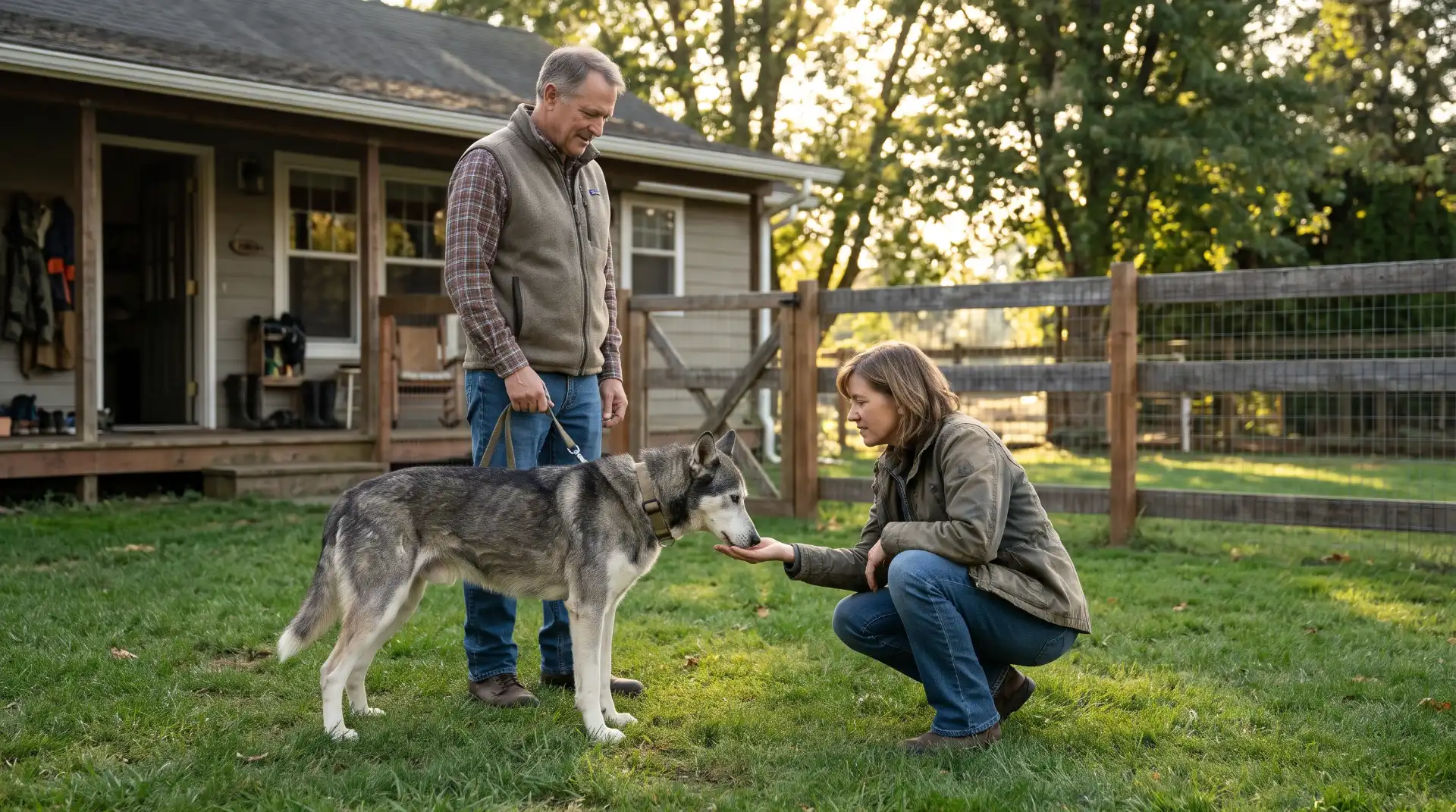
Start by contacting established sled dog kennels, rescue organizations, and mushers who have a clear retirement and rehoming process. Some kennels manage their own adoption programs, while others work with organizations that specialize in placing working dogs.
Ask how the dog was selected for retirement, why it is being rehomed, and what information is available about its medical and behavioral history. A responsible placement should provide an honest explanation of the dog’s strengths, limitations, and needs. If the dog has a known injury, ongoing medication, or difficulty living with certain animals, that information should be discussed before adoption.
The New Hampshire Sled Dog Rescue, History and Education Center is an example of an organization that supports working sled dogs and helps place suitable dogs in retirement homes. It explains that some dogs can transition to adoptive homes, while others with medical or behavioral needs may remain in its care.
nhsdrhec.com
Ask About the Dog’s Medical History
Before agreeing to adopt, request the dog’s available veterinary records. These should include vaccination history, parasite prevention, previous injuries, surgeries, medications, dental treatment, and any diagnosed health conditions.
Ask whether the dog has had a recent physical examination and whether the veterinarian has identified restrictions on exercise. If the dog has a history of orthopedic problems, ask what activities are appropriate and whether follow-up treatment is expected.
A dog may appear energetic during a kennel visit while still having a condition that requires ongoing management. For example, a former racing dog with early arthritis may enjoy walking and playing but need controlled exercise, medication, or weight management to remain comfortable. Knowing this information beforehand helps prevent misunderstandings after adoption.
Evaluate Your Home and Lifestyle
A retired sled dog may be a poor match for a household that cannot provide regular activity, secure outdoor space, or enough time for adjustment. Before applying, consider how much time the dog will spend alone, whether the home has suitable sleeping arrangements, and whether the household can manage a strong, active animal.
A fenced yard can be useful, but fencing alone does not replace walks, training, companionship, and supervision. The height and security of the fence should be appropriate for the individual dog. Some dogs are skilled jumpers or persistent explorers, so adopters should ask the placement organization about escape tendencies.
Climate is another important consideration. Many sled dogs have coats and body characteristics suited to cold conditions, but individual dogs differ. A former sled dog moving to a warmer part of the United States may need careful heat management, access to air conditioning, shaded outdoor areas, and exercise during cooler parts of the day. A thick coat should never be treated as a reason to leave a dog outdoors in unsafe temperatures.
Understand the Adoption Agreement
Adoption programs may have different requirements. Some ask for references, a home assessment, a veterinary reference, or information about other household pets. Others may request updates after placement or require adopters to contact the organization if they can no longer keep the dog.
These requirements are not necessarily obstacles. They can help ensure that the placement is appropriate and that the dog will not be passed from one home to another. Ask about transportation arrangements, adoption fees, medical coverage, and what support is available if the dog has difficulty adjusting.
A reputable organization should welcome reasonable questions. It should also be willing to explain why a particular dog may or may not be suitable for a particular household.
Preparing Your Home for a Retired Sled Dog
Preparation makes the transition easier for both the dog and the adopter. A former working dog may be accustomed to outdoor kennel life, group feeding routines, and familiar handlers. A private home introduces new sounds, spaces, expectations, and social situations.
Rather than expecting the dog to understand everything immediately, create an environment where it can learn gradually.
Set Up a Comfortable Resting Area
Choose a quiet area where the dog can sleep without being disturbed. Provide a supportive bed, clean blankets, and access to fresh water. Older dogs may benefit from orthopedic bedding or a low-entry bed that does not require them to jump.
If the dog is accustomed to sleeping outdoors, it may initially prefer a familiar sheltered space. That does not mean it should be forced to remain outside. Introduce indoor living gradually and allow the dog to explore at its own pace while maintaining safe boundaries.
Avoid placing the dog’s bed in a busy hallway or directly beside a loud appliance. A predictable resting location helps the dog understand where it can relax when the household becomes active.
Introduce Household Rules Gradually
A retired sled dog may not know whether it is allowed on furniture, how to respond to a doorbell, or where it should go when visitors arrive. These expectations should be taught consistently and without harsh punishment.
Start with a few simple routines, such as scheduled meals, bathroom breaks, leash walks, and a regular bedtime. Reward calm behavior and give the dog time to learn the household’s rhythm.
Do not overwhelm the dog with a large number of visitors, outings, and new experiences during the first few days. A quiet beginning can help prevent stress and make training more effective.
Introduce Other Pets Carefully
If the household already has dogs or cats, introductions should be planned rather than left to chance. Start in a controlled environment, use appropriate barriers or leashes, and watch the animals’ body language. Keep food, toys, and other valuable resources separate until the animals are comfortable around one another.
A retired sled dog may have lived peacefully with other dogs in a kennel but still need time to adjust to sharing a home. Likewise, familiarity with dogs does not guarantee compatibility with every individual animal. Cats and small pets require particular care when the new dog’s prey drive is unknown.
The SPCA of Texas guide to introducing a new pet into the home provides practical advice on gradual introductions, separation, supervision, and recognizing signs of tension.
SPCA of Texas
Retirement Care: Keeping Older Sled Dogs Healthy
Retirement changes a sled dog’s daily routine, but it does not eliminate the need for careful health management. In some ways, older dogs require more observation because age-related conditions can develop gradually. A dog that has spent years exercising in cold weather may also have physical needs that differ from those of a typical household pet.
The best approach is to create an individualized care plan with a veterinarian. That plan should consider the dog’s age, previous workload, current body condition, medical history, and preferred activities.
Schedule Regular Veterinary Examinations
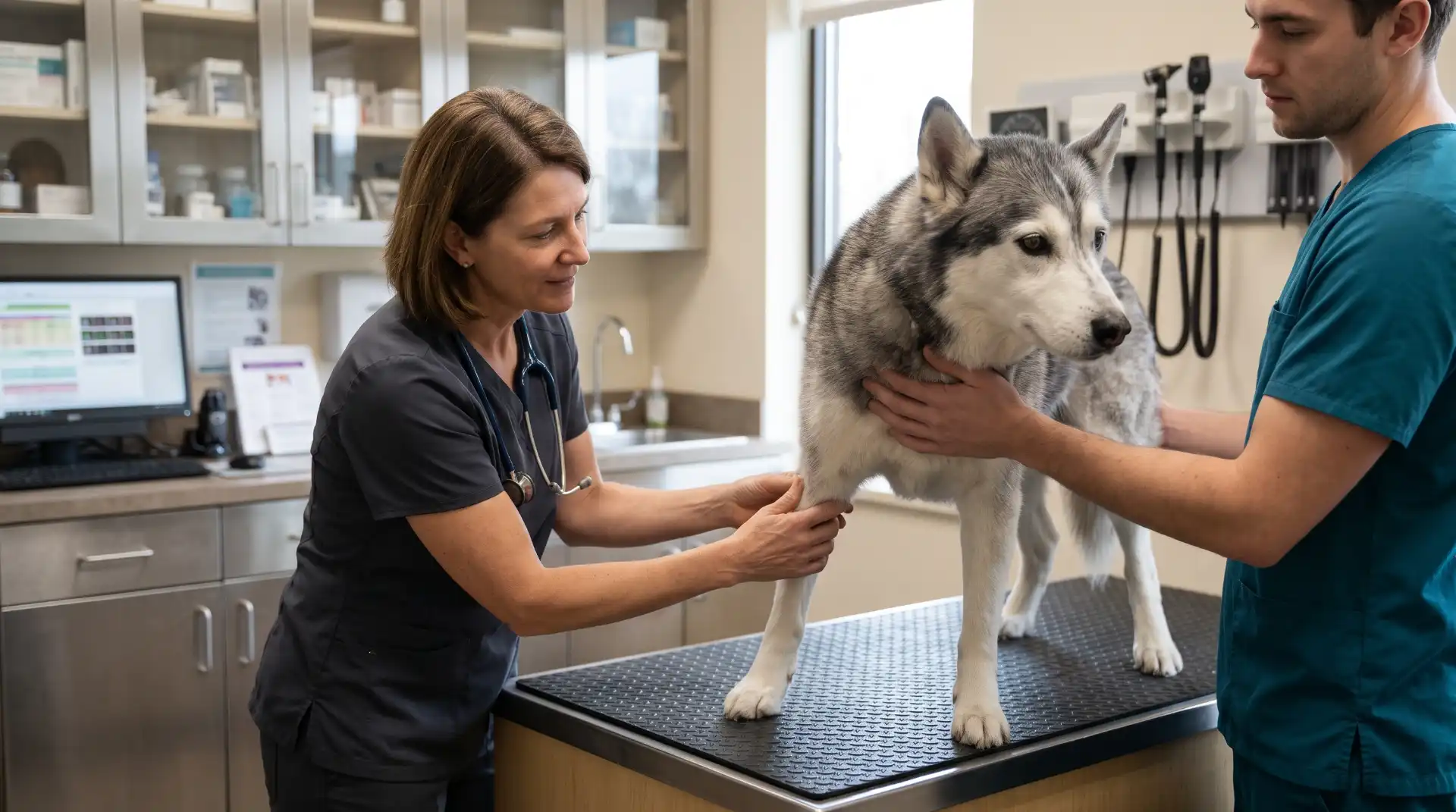
A comprehensive veterinary examination should be arranged soon after adoption or retirement if a recent examination has not already been completed. This provides a starting point for monitoring the dog’s health.
The veterinarian may assess weight, body condition, heart and lung function, joints, mobility, dental health, skin, coat, and any signs of previous injury. Depending on the dog’s age and medical history, diagnostic testing may also be recommended.
The American Animal Hospital Association explains that senior pets benefit from consistent veterinary care and more frequent wellness examinations. Its recommendations include monitoring nutrition, behavior, dental health, mobility, and age-related medical conditions. See the AAHA recommendations for supporting senior pets.
A dog should not be considered healthy simply because it still wants to run. Dogs can remain enthusiastic even when they have discomfort or an underlying condition. Regular examinations help identify problems before they significantly affect quality of life.
Monitor Joint Health and Mobility
Joint health is one of the most important considerations for retired sled dogs. Years of running and pulling place repeated demands on muscles, tendons, ligaments, and joints. Some dogs reach retirement with excellent mobility, while others develop stiffness or arthritis.
Watch for signs such as difficulty rising, reluctance to climb stairs, shortened strides, limping, reduced interest in jumping, or stiffness after resting. A dog may also become less willing to participate in activities it previously enjoyed.
Treatment depends on the individual condition. A veterinarian may recommend weight management, controlled exercise, physical rehabilitation, medication, or other supportive measures. Do not give human pain medication unless a veterinarian specifically directs you to do so. Some common human medications can be dangerous for dogs.
Small changes to the home can also make a difference. Nonslip flooring, ramps, low steps, supportive bedding, and accessible water bowls can help dogs with reduced mobility remain comfortable and independent.
Adjust Nutrition After Retirement
A racing sled dog may have consumed a high-energy diet to support intense exercise, cold-weather activity, and recovery. After retirement, its energy requirements may decrease significantly.
Continuing to feed the same quantity of food without considering the reduced workload can lead to weight gain. Excess weight can place additional stress on joints and make mobility problems worse.
However, reducing food too aggressively can also be harmful, particularly for older dogs that need adequate protein and nutrients to maintain muscle and general health. The correct feeding plan depends on body condition, age, activity level, medical needs, and the dog’s current diet.
Work with a veterinarian to determine an appropriate food and portion size. Monitor the dog’s weight regularly and make gradual adjustments when necessary. Treats should be included in the overall daily calorie allowance rather than added without consideration.
For additional background on the nutritional demands of working dogs, readers can explore Outlaw Ridge’s article on how sled dog teams train when snow arrives late, which discusses how workload changes affect conditioning, feeding, and recovery.
Maintain Dental and Preventive Care
Dental health is sometimes overlooked when people focus on exercise and joint problems. However, dental disease can cause significant discomfort and affect a dog’s ability to eat comfortably. Older dogs may have worn teeth, gum inflammation, broken teeth, or other oral health concerns.
A veterinarian should assess the dog’s teeth and gums and recommend professional cleaning or treatment when needed. At-home dental care may include brushing with dog-specific toothpaste and using veterinarian-approved dental products.
Preventive care should also include vaccinations, parasite prevention, and routine screening appropriate to the dog’s age and lifestyle. Retired dogs may spend less time on remote trails, but they still need protection from parasites and infectious diseases. The veterinarian can recommend a suitable schedule based on the dog’s location, exposure, and health status.
Exercise and Mental Stimulation After Racing
One of the biggest misconceptions about retired sled dogs is that they no longer need much exercise. In reality, many former working dogs remain active and mentally engaged well after leaving competitive mushing. Their exercise needs may change with age, but physical activity and enrichment remain important parts of a healthy retirement.
The challenge is finding a balance between keeping the dog engaged and avoiding unnecessary strain.
Replace Racing With Appropriate Daily Activity
A retired sled dog may enjoy daily walks, relaxed hikes, supervised play, or time exploring a secure outdoor area. These activities provide opportunities to move, investigate new surroundings, and interact with people without recreating the intensity of a race.
Start with manageable sessions and observe how the dog responds. If it seems comfortable during the activity but becomes stiff or unusually tired afterward, the routine may need to be adjusted. Dogs with medical conditions should follow an exercise plan recommended by their veterinarian.
For an older dog, several short walks may be more comfortable than one long outing. A younger dog retiring because of a career-ending injury may need an even more carefully controlled routine. The right amount of activity is individual, not determined solely by the dog’s previous racing performance.
Provide Mental Enrichment
Mental stimulation is just as important as physical exercise. Sled dogs are accustomed to structured routines, environmental challenges, and working alongside other animals. Retirement can remove many of those daily experiences, so adopters should provide appropriate alternatives.
Food puzzles, scent games, basic obedience practice, supervised exploration, and short training sessions can help keep a dog mentally engaged. Hiding small portions of food around a safe room or yard, for example, encourages a dog to use its nose and problem-solving skills.
Training should be positive and enjoyable. A retired sled dog does not need to learn dozens of complicated commands. Simple activities such as coming when called, settling on a bed, walking calmly on a leash, and waiting at a doorway can make household life safer and more predictable.
Maintain Social Connections
Many sled dogs have spent much of their lives around other dogs. They may enjoy canine companionship, but their social needs vary. Some are comfortable in large groups, while others prefer one or two familiar companions.
Adopters should observe how the dog responds to other animals rather than assuming that kennel experience guarantees compatibility with every dog. Supervised play, calm introductions, and opportunities to rest separately help prevent unnecessary stress.
Human interaction matters too. Spending time together through grooming, gentle play, walks, and quiet companionship can strengthen the relationship between the dog and its new family. A retired dog that once worked closely with a musher may appreciate having a consistent person who understands its behavior and provides dependable attention.
Helping a Retired Sled Dog Adjust to a New Life
The transition from a working kennel to a private home can take time. Even a friendly dog may feel uncertain when familiar routines disappear. New household sounds, unfamiliar surfaces, different feeding schedules, and limited access to other dogs can all affect the adjustment process.
Adopters should avoid interpreting every unusual behavior as a permanent personality trait. Some behaviors may be temporary responses to change, while others may reflect habits developed over years of kennel life.
Allow Time to Settle In
During the first few days, keep the environment calm and predictable. Provide a quiet resting area, regular meals, bathroom opportunities, and short walks. Avoid immediately taking the dog to crowded public places or introducing it to a large number of unfamiliar people.
Some dogs become comfortable quickly. Others need several weeks or longer to understand their new surroundings. Let the dog approach new experiences at a manageable pace, and avoid forcing physical contact or interaction when it appears uncomfortable.
Consistency is particularly helpful. Feeding at similar times, using the same walking route initially, and maintaining a predictable bedtime can make the new environment feel safer.
Address House Training and Indoor Habits
A former sled dog may have spent years living outdoors. Even if it is comfortable around people, it may not understand household bathroom expectations.
Take the dog outside regularly, especially after waking, eating, drinking, and playing. Reward successful outdoor elimination and supervise indoor time until a dependable routine develops. If accidents occur, clean them thoroughly and avoid punishment that could make the dog fearful or confused.
The dog may also need time to become comfortable with stairs, slippery floors, closed doors, household appliances, and sleeping indoors. Introduce unfamiliar experiences gradually and use rewards to build confidence.
Seek Professional Help When Needed
Some retired sled dogs may have behavioral challenges that require additional support. These can include separation-related distress, excessive vocalization, leash pulling, resource guarding, difficulty settling indoors, or fear of unfamiliar environments.
A veterinarian should first help rule out pain or medical causes, particularly when a behavior change is sudden. If the issue is behavioral, a qualified positive-reinforcement trainer or veterinary behavior professional can help develop a plan.
Adopters should not assume that a dog is unsuitable simply because it needs training. However, they should be realistic about the time, patience, and resources required. A dog that has spent years in a structured kennel may need a gradual transition rather than immediate expectations of perfect household behavior.
Financial Responsibilities of Retiring and Adopting a Sled Dog
Retirement does not eliminate the financial responsibilities associated with dog ownership. In some cases, expenses may increase as a dog ages and requires additional veterinary attention.
Before adopting, households should consider the long-term cost of food, preventive care, routine examinations, dental treatment, medications, mobility support, and unexpected emergencies. These expenses vary considerably by location, veterinary practice, and the dog’s health.
Routine Expenses
Regular expenses include food, vaccinations, parasite prevention, identification, grooming supplies, bedding, and replacement equipment such as collars and leashes. A retired sled dog may need less food than it consumed during racing, but its diet must still support healthy body condition and age-appropriate nutrition.
Some dogs also need durable outdoor equipment, secure fencing, or climate-control arrangements. In warmer regions, air conditioning and careful scheduling of outdoor activity may be particularly important for dogs with heavy coats.
Veterinary and Emergency Costs
Older dogs may need more frequent examinations, diagnostic testing, dental care, and treatment for chronic conditions. A dog with arthritis, for example, may require ongoing medication or rehabilitation. Another dog may remain healthy for years with relatively routine preventive care.
Adopters should establish a financial plan before bringing the dog home. Pet insurance may be worth investigating, but applicants should review exclusions, waiting periods, age restrictions, and pre-existing-condition rules. An emergency savings fund can also help cover unexpected treatment.
The original musher or adoption organization should provide available medical records, but the adopter becomes responsible for arranging and funding the dog’s ongoing care unless a specific agreement states otherwise.
Why Retirement Planning Matters to Mushers
For mushers, retirement expenses should be considered part of the overall cost of operating a kennel. A responsible operation should account for the future needs of every dog, not just the cost of training and racing during its productive years.
Planning ahead can make it easier to retain older dogs, provide medical treatment, and arrange suitable adoptions when necessary. It also helps prevent rushed placements when a kennel suddenly has more retired dogs than it can comfortably support.
A phased retirement plan is particularly important for larger teams. If several dogs are likely to retire within a short period, the musher should estimate future housing, food, veterinary, and placement needs in advance. A dog should not have to wait until it is injured or unable to work before anyone begins thinking about its future.
The Role of Rescue Organizations and Adoption Programs
Rescue organizations and dedicated adoption programs can play an important role when a musher cannot keep every retired dog. They may help assess temperament, organize veterinary treatment, identify suitable homes, and support the transition into family life.
However, not every organization has the resources or facilities to accept large numbers of working dogs. A kennel should not assume that a rescue group will automatically take responsibility for every dog it can no longer accommodate.
Matching Dogs With Suitable Homes
Successful placement depends on understanding each dog’s personality and requirements. A calm dog that enjoys indoor companionship may be suitable for a household seeking a relaxed companion. A highly active dog may be better matched with an experienced adopter who enjoys outdoor activities and can provide appropriate daily exercise.
Rescue organizations may also consider a dog’s age, medical needs, experience with children, compatibility with other animals, and ability to adapt to household routines.
The adoption process should be honest about challenges. If a dog has a strong prey drive, struggles with being left alone, or needs a home without small children, prospective adopters should know before committing.
What Happens When a Dog Cannot Be Adopted?
Some retired dogs are not suitable for ordinary household placement. They may have serious medical needs, behavioral difficulties, or a strong preference for the familiar kennel environment.
In these cases, continued care by the original musher, a specialist facility, or an experienced working-dog organization may be the most appropriate option. A successful retirement is not defined by whether a dog becomes a traditional house pet. It is defined by whether the dog’s needs are met in a safe and humane environment.
Healthy, adoptable dogs should not be treated as disposable simply because they can no longer race. Responsible retirement planning means making reasonable efforts to find suitable placements and providing continued care when adoption is not appropriate.
Can Retired Sled Dogs Still Participate in Mushing?
Some retired dogs continue to enjoy limited involvement in mushing or related activities. Whether this is appropriate depends on why the dog retired and what its veterinarian considers safe.
A dog that retired because it lost interest in competition may still enjoy recreational running. A dog that retired because of a serious joint problem may need to avoid pulling altogether. The distinction is important because the term “retired” covers many different circumstances.
Recreational Mushing
A healthy former racing dog may enjoy occasional short outings with an experienced musher. These activities should be less demanding than its former workload and should stop if the dog shows signs of discomfort or reluctance.
The musher should monitor the dog’s gait, breathing, energy, paws, and recovery. The dog’s enjoyment should guide the activity, not the desire to keep using a familiar team member.
Supporting Younger Dogs
Some retired dogs remain valuable members of a kennel because of their experience and temperament. They may be comfortable around younger dogs and help them become familiar with everyday kennel routines.
For example, a calm veteran dog may provide a familiar social presence for a young dog that is learning to live and work around a team. This does not mean the older dog should be expected to train or supervise younger animals. Any interaction should be safe, voluntary, and appropriate for the older dog’s health.
Outlaw Ridge’s article on a day in the life of a musher offers additional insight into the daily responsibilities involved in caring for a team, including feeding, health checks, socialization, and training. These routines also help explain why a retired dog’s familiar relationships and environment can matter so much during its later years.
Animal Welfare and Responsible Retirement Practices
The welfare of retired sled dogs is an important part of the broader discussion about working-dog care. A kennel’s responsibility should extend beyond the years when a dog is physically capable of racing or pulling a sled. Food, shelter, veterinary treatment, social interaction, and a suitable retirement arrangement should be considered throughout the dog’s life.
A responsible approach recognizes that every dog is an individual. Some dogs enjoy running and working with people, while others prefer quieter routines. Some adjust easily to family life, while others are more comfortable in a familiar kennel. Good retirement planning takes these differences into account.
Retirement Should Be Planned Before a Dog Leaves the Team
A retirement plan should not begin only when a dog becomes injured or too old to race. Mushers can prepare much earlier by keeping medical records, monitoring each dog’s temperament, building relationships with potential adopters, and budgeting for future care.
A kennel might maintain a record for every dog that includes its age, veterinary history, activity preferences, social behavior, and any known limitations. This information can help determine whether the dog should remain with the musher, move to a recreational home, or be considered for adoption.
Planning ahead is particularly important for kennels with large teams. Several dogs may reach retirement age within a relatively short period, creating a need for additional space, veterinary funding, and suitable homes. A phased approach makes it easier to provide individual attention instead of trying to arrange multiple placements under pressure.
Transparency Helps Protect Retired Dogs
People interested in adopting a sled dog deserve accurate information. A placement organization or musher should explain why the dog is retiring, what medical care it has received, and what challenges the adopter might encounter.
For example, an adopter should know whether the dog has lived indoors, whether it is comfortable around children, and whether it has a history of chasing wildlife or livestock. A dog with an ongoing medical condition should not be presented as having no special needs simply to make adoption easier.
Transparency also helps adopters make realistic financial and lifestyle decisions. A placement that appears successful during the first few days may become difficult if the household later discovers that the dog requires more exercise, supervision, or medical attention than expected.
Retirement Is a Long-Term Commitment
A dog may live for many years after leaving competitive mushing. Its retirement plan should therefore account for more than the first few months in a new home.
Adopters should consider what will happen if their work schedule changes, they move to a different state, or the dog develops a health condition that requires additional care. Mushers who keep retired dogs should make similar plans for changes in kennel finances, housing, and staffing.
The strongest retirement arrangements provide continuity. The dog has a dependable source of food, shelter, medical treatment, and companionship, even when its needs become more demanding.
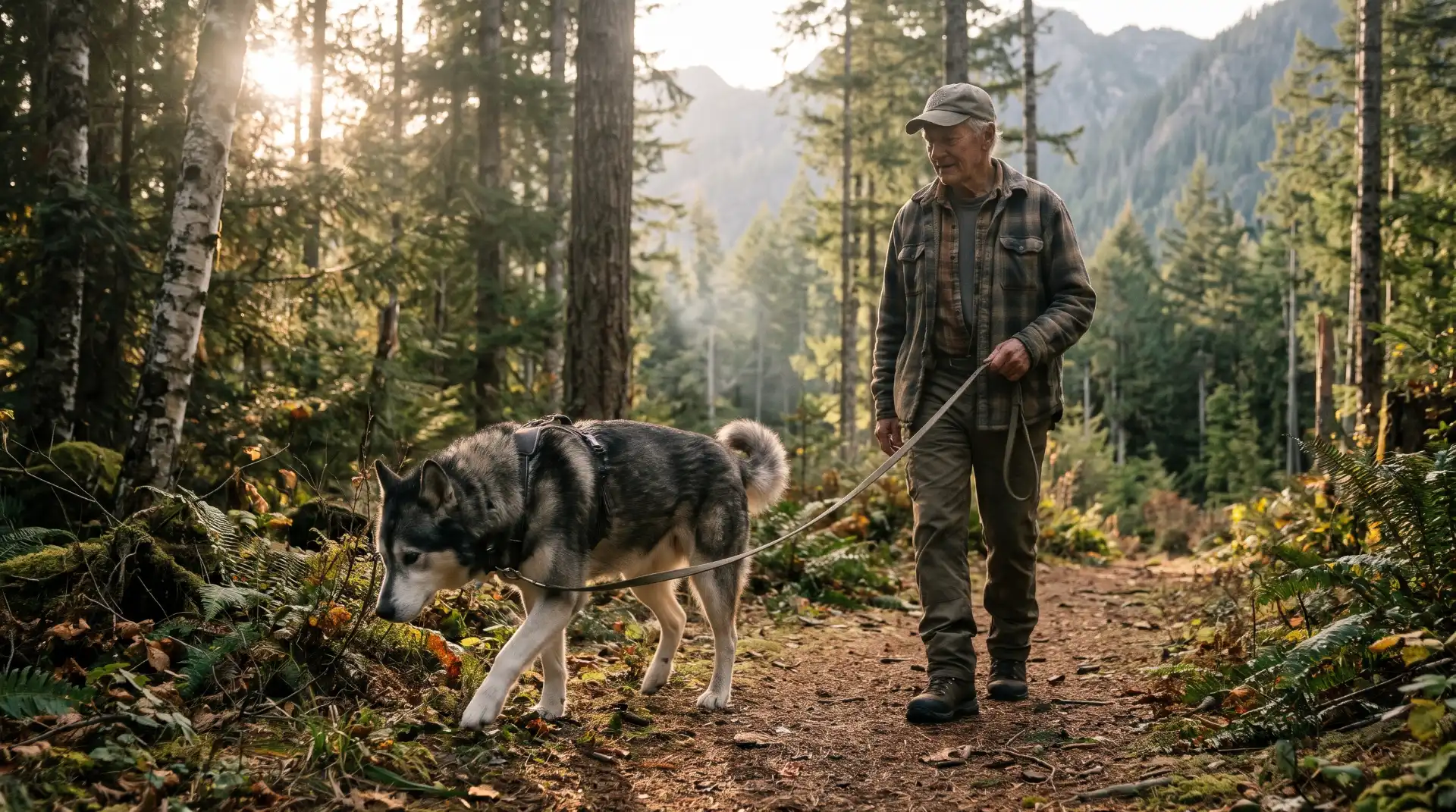
Retired Sled Dogs in Different Parts of the United States
The United States has a wide range of climates, communities, and outdoor environments, which can influence where retired sled dogs are placed. A dog that is comfortable in a northern kennel may need a different care routine if it moves to a warmer state. Likewise, a dog accustomed to rural outdoor living may need additional training when placed in a busy suburban neighborhood.
Alaska and Other Northern States
Alaska and northern states such as Minnesota, Wisconsin, and Maine have established mushing communities and climates that can be suitable for many former sled dogs. In these areas, adopters may have access to experienced mushers, outdoor recreation, and veterinary professionals familiar with working dogs.
Some retired dogs remain with their original kennels, while others move into homes with people who enjoy hiking, skijoring, or recreational mushing. However, a cold climate alone does not make a home suitable. Dogs still need appropriate shelter, exercise, medical attention, and companionship.
Colorado, Wyoming, and Mountain Communities
Mountain communities in Colorado and Wyoming can also provide opportunities for active retired sled dogs. Residents may enjoy hiking, outdoor recreation, and access to cooler seasonal conditions.
Prospective adopters should still consider altitude, terrain, winter ice, and the dog’s mobility. A dog with arthritis may not be suited to steep trails, while a dog with excellent health may enjoy moderate hikes and outdoor exploration. The dog’s veterinarian should help determine what level of activity is appropriate.
Warmer States and Southern Regions
Retired sled dogs can live in warmer parts of the country, but adopters need to be especially attentive to heat. A thick double coat does not make a dog immune to heat stress. Dogs can become dangerously overheated during exercise, particularly when humidity is high or temperatures rise quickly.
In warmer states, walks should take place during cooler morning or evening hours. Dogs should have access to shade, fresh water, and a cool indoor environment. Outdoor activity should be reduced during hot weather, and owners should learn to recognize signs of overheating, including excessive panting, weakness, drooling, vomiting, or collapse.
A dog that is comfortable in a northern kennel may need a different daily routine after moving south. Before adoption, discuss climate suitability with the musher or rescue organization and your veterinarian. The right decision depends on the individual dog, not simply its breed or appearance.
Common Myths About Retired Sled Dogs
Misunderstandings about former working dogs can discourage suitable adopters or lead households to underestimate their responsibilities. Understanding the realities of retirement helps people make better decisions.
Myth 1: Every Retired Sled Dog Is Old
Not every dog retires because it has reached old age. Some leave racing because of injuries, health conditions, temperament, or changes in the kennel’s needs. A dog may be relatively young but unsuitable for competitive work.
A younger retired dog may still have considerable energy and need regular exercise. Its retirement plan should reflect its current health and personality rather than an assumption that it will behave like a senior companion dog.
Myth 2: Retired Sled Dogs Are Too Difficult to Keep as Pets
Some former sled dogs need more exercise, supervision, or training than an average household expects. However, this does not mean they cannot become excellent companions.
Many dogs adapt successfully when placed with people who understand their needs. A secure environment, consistent routines, suitable exercise, and patient training can make household life enjoyable for both the dog and its adopter.
The important distinction is between a dog that needs an appropriate home and a dog that is unsuitable for every home. Careful matching helps prevent unnecessary placement failures.
Myth 3: A Retired Dog No Longer Needs Much Exercise
Retirement from racing does not mean a dog should spend all day inactive. Physical activity remains important for maintaining muscle, mobility, and general health.
The amount and type of exercise should change according to age and medical condition. A dog with joint problems may need controlled walks, while a healthy former racer may enjoy more demanding outdoor activities. Exercise should support comfort and quality of life, not recreate the pressure of competition.
Myth 4: All Huskies Can Live Comfortably in Any Climate
Coat type, body condition, health, and individual tolerance influence how a dog responds to different temperatures. Some former sled dogs may be comfortable in a variety of climates when their owners manage heat carefully. Others may struggle in regions with prolonged hot weather.
No dog should be left outside in extreme heat simply because it comes from a cold-weather working background. A suitable home must provide safe temperature management throughout the year.
Myth 5: Adoption Is Always Better Than Staying With the Musher
Adoption can be an excellent option, but it is not automatically the best choice for every dog. Some dogs are strongly attached to their familiar kennel and may experience unnecessary stress after a major move.
A responsible musher should consider the individual dog’s needs. If the original kennel can provide excellent lifelong care, remaining there may be the most suitable arrangement. If a carefully selected home offers a better environment, adoption may be preferable.
The purpose of retirement planning is to find the best outcome for the dog, not to follow one arrangement for every animal.
How Families Can Support Retired Sled Dogs Without Adopting
Not everyone has the space, time, or experience to adopt a former racing dog. However, there are other ways to support retired sled dogs and the organizations that care for them.
Donations can help cover veterinary examinations, medication, food, transportation, and improvements to kennel facilities. Some organizations also accept sponsorships that allow supporters to contribute toward the care of a particular dog without becoming its full-time owner.
Volunteering may be another option. Depending on the organization’s needs, volunteers may help with kennel maintenance, cleaning, supervised enrichment, fundraising, transportation, or community education. People with relevant professional skills may be able to contribute veterinary support, photography, administrative assistance, or help with adoption communications.
Prospective adopters can also support responsible retirement practices by asking questions when visiting sled dog operations. Learning how a kennel manages veterinary care, rest, retirement, and rehoming encourages transparency. Visitors should look for signs that dogs have clean living areas, access to water, appropriate shelter, and opportunities for social interaction.
Sharing accurate information about adoption programs can help connect suitable dogs with experienced homes. It is important, however, to avoid presenting every retired dog as an easy household pet. Responsible promotion should explain the commitment involved so that potential adopters understand what they are considering.
What a Good Retirement Looks Like for a Sled Dog
A successful retirement does not have to look the same for every dog. One former racer may enjoy living in a quiet home with a retired couple, while another may thrive with an active family that spends weekends hiking. A third may be happiest remaining in the kennel where it has spent most of its life.
The common factor is that the dog receives care suited to its needs. It has comfortable shelter, appropriate nutrition, regular veterinary attention, opportunities for exercise, mental stimulation, and dependable human interaction. It is not forced to continue activities that cause discomfort, and its medical and behavioral needs are taken seriously.
For some dogs, retirement means learning to sleep indoors, enjoy a family routine, and explore a neighborhood at a relaxed pace. For others, it means spending more time with familiar kennel companions and enjoying shorter, less demanding activities. Both can be positive outcomes when the dog’s well-being remains the priority.
The most meaningful measure of a retirement plan is not how quickly a dog leaves the racing team or whether it becomes a traditional house pet. It is whether the dog has a safe, stable, and comfortable life after its working career ends.
Conclusion: Retired Sled Dogs Deserve a Comfortable Life After Racing
What happens to retired sled dogs depends on their health, temperament, working history, and the resources available to the people responsible for them. Some remain with their original mushers, others are adopted into private homes, and some continue enjoying limited activities that suit their abilities. There is no single retirement arrangement that works for every dog.
For prospective adopters, the most important steps are to understand the dog’s individual needs, review its medical history, prepare the home, and be realistic about exercise, training, and long-term expenses. Former sled dogs can become affectionate and rewarding companions, but their working backgrounds should be considered when choosing a household.
For mushers and kennel operators, retirement planning should begin before a dog leaves the team. Medical records, financial preparation, responsible rehoming, and honest communication can help ensure that every dog receives appropriate care after racing.
Most importantly, a sled dog’s value is not measured by how many races it wins, how quickly it runs, or how many miles it covers. These dogs deserve respect and thoughtful care throughout their lives. Their years on the trail may come to an end, but their opportunity to enjoy companionship, comfort, and meaningful daily experiences should continue.