
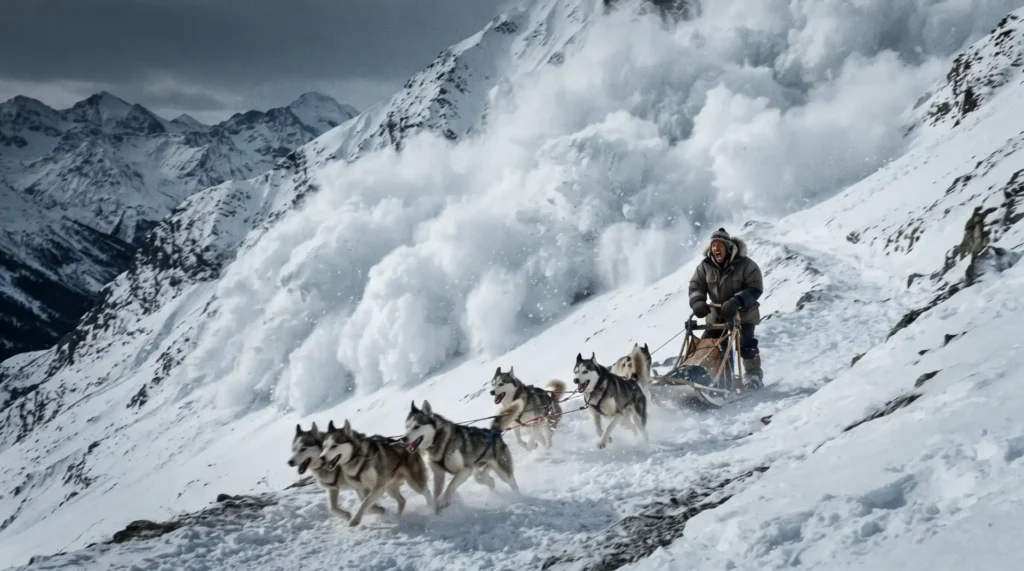
There are few winter adventures more rewarding than guiding a team of eager sled dogs through untouched backcountry snow. Away from busy trails and crowded parks, the mountains offer breathtaking scenery, peaceful forests, frozen lakes, and miles of pristine terrain. However, these same landscapes also introduce natural hazards that every musher should understand before venturing into remote areas.
One of the most significant risks is avalanche terrain. While avalanches may seem like rare events reserved for expert mountaineers, they can affect anyone traveling through snow-covered mountains—including dog sled teams. According to the Colorado Avalanche Information Center and the National Avalanche Center, hundreds of avalanches are reported across the United States every winter, with many occurring in popular recreation areas.
Understanding avalanche awareness does not mean avoiding every mountain adventure. Instead, it means recognizing hazards, making informed decisions, planning routes carefully, and knowing when changing conditions call for turning around. Whether you are an experienced musher or planning your first guided backcountry dog sledding trip, learning avalanche safety helps protect both people and dogs while allowing everyone to enjoy America’s remarkable winter wilderness responsibly.
If you’re new to the sport, you may also enjoy our guide on How to Prepare for Your First Dog Sledding Adventure, which explains the essential gear and planning needed before heading onto snowy trails.
Why Avalanche Awareness Matters
Unlike many outdoor hazards that develop gradually, avalanches can occur within seconds. A seemingly stable mountainside can suddenly release thousands of tons of snow, ice, and debris that travel downhill at highway speeds. Even relatively small avalanches can bury people, damage equipment, or separate mushers from their dog teams.
Dog sledding presents unique challenges because a team may stretch more than 50 feet from lead dog to sled. This longer footprint means the team can unknowingly span multiple snow conditions simultaneously. While the sled may remain on stable ground, the lead dogs could enter unstable terrain capable of triggering a slide.
Fortunately, most avalanche accidents are preventable through education, careful route planning, and conservative decision-making. Modern forecasting, improved mapping technology, and expanded avalanche education programs have made it easier than ever for outdoor enthusiasts to assess conditions before heading into the mountains.
The National Avalanche Center provides daily avalanche forecasts for many regions across the United States, making it one of the most valuable planning resources available before any winter trip.
Understanding How Avalanches Form
Snow may appear uniform from the surface, but beneath it lies a constantly changing structure of layers. Every snowfall creates a new layer with different density, moisture content, crystal shape, and strength.
As winter progresses, wind, temperature fluctuations, sunshine, and additional storms continually alter these layers. Some become tightly bonded, while others remain weak. When enough stress builds above a fragile layer, the snowpack can suddenly fail, sending an avalanche downhill.
Several common ingredients contribute to avalanche formation:
Heavy snowfall adds weight to existing snowpacks.
Strong winds transport snow onto steep slopes.
Rapid warming weakens snow stability.
Rain falling on snow increases instability.
Persistent weak layers remain buried beneath newer snow.
Recognizing that avalanche conditions evolve daily reinforces why yesterday’s safe route may not remain safe tomorrow.
Recognizing Avalanche Terrain
One of the biggest misconceptions among beginners is that avalanches only occur on towering mountain peaks. In reality, many slides happen on moderate slopes that appear relatively harmless.
Generally, avalanche-prone terrain includes slopes between 30 and 45 degrees. Open bowls, alpine meadows, treeless mountainsides, and steep gullies are among the most common locations.
Equally important are terrain traps—features that increase danger even during smaller avalanches. Narrow creek beds, ravines, dense tree stands, and canyon bottoms can dramatically increase burial depth if snow accumulates.
Experienced mushers often choose routes through lower-angle forests, frozen river corridors, or established winter trails that naturally minimize avalanche exposure.
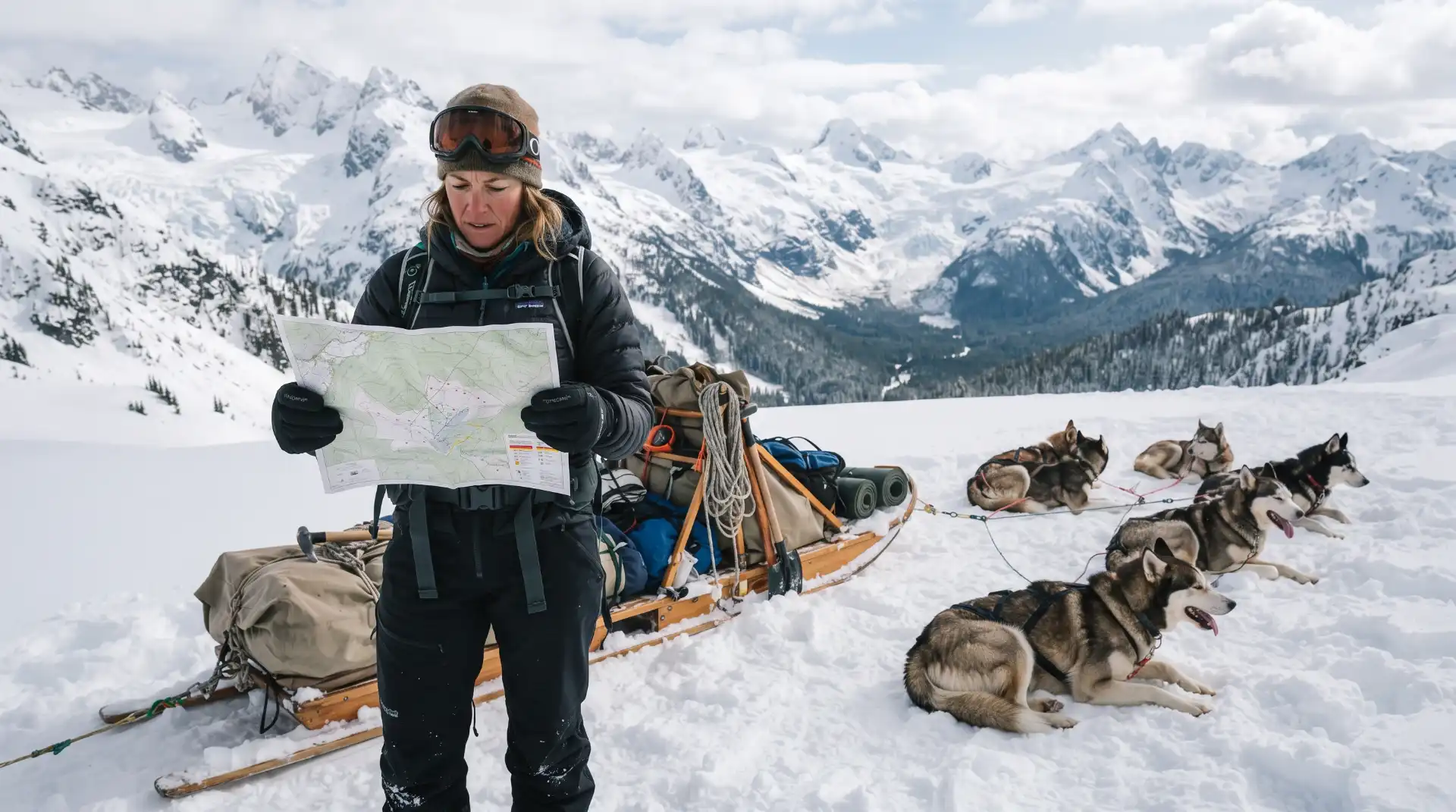
Reading topographic maps before each trip helps identify steep terrain long before reaching the trailhead.
Weather Plays a Bigger Role Than Many People Realize
Weather is perhaps the most influential factor affecting avalanche danger. Conditions can change dramatically within just 24 hours.
A storm delivering one foot of fresh snow may dramatically increase avalanche risk. Likewise, strong winds can move enormous amounts of snow from one ridge to another, creating unstable wind slabs on otherwise calm days.
Temperature changes also matter. Sudden warming—even on sunny winter afternoons—can weaken snowpack bonds and increase the chance of wet snow avalanches.
Responsible mushers monitor several days of weather rather than relying solely on the forecast for departure day.
The National Weather Service provides valuable mountain forecasts that include snowfall totals, wind speeds, freezing levels, and storm timing.
Planning Your Route Before Leaving Home
Safe backcountry travel begins long before the sled touches snow.
Successful mushers spend considerable time researching maps, recent avalanche bulletins, trail reports, weather forecasts, and local regulations. Digital mapping platforms combined with avalanche forecast overlays now allow travelers to visualize terrain hazards in advance.
Rather than seeking the shortest route, experienced backcountry travelers prioritize safer terrain that minimizes exposure to avalanche paths.
It is also wise to establish turnaround points before beginning the trip. If visibility deteriorates, snowfall intensifies, or unexpected avalanche signs appear, predetermined decision points reduce the temptation to continue into unsafe conditions.
Those planning longer adventures may also enjoy our guide on Multi-Day Dog Sled Expeditions, which covers navigation, overnight planning, and winter camping strategies for extended backcountry trips.
Every Musher Should Carry Avalanche Rescue Equipment
Even excellent planning cannot eliminate every risk.
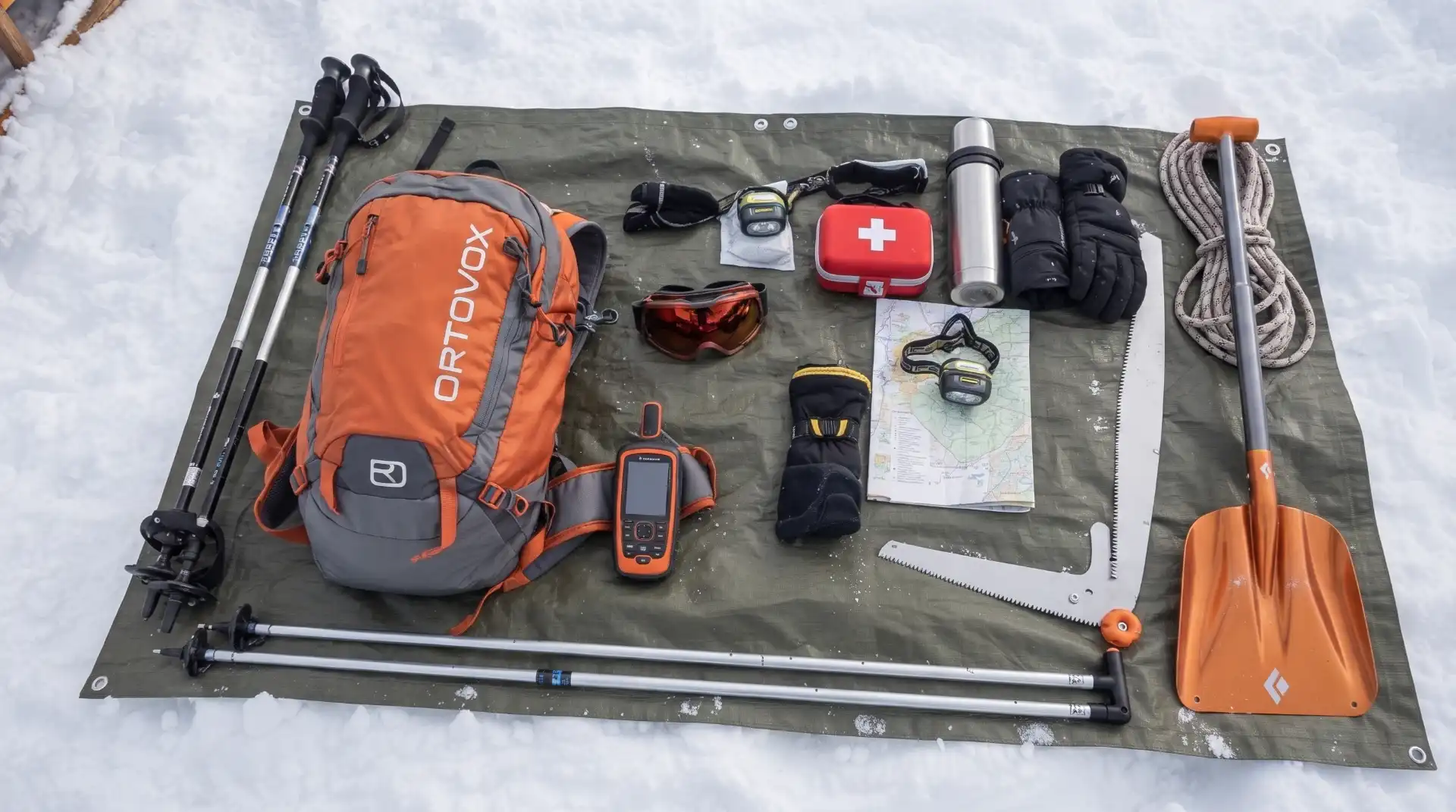
Anyone traveling in avalanche terrain should carry three essential rescue tools:
An avalanche transceiver (beacon), a probe, and a shovel.
These tools are designed to help companions locate and rescue someone buried beneath snow. Rescue success depends heavily on immediate response, making practice just as important as owning the equipment.
Many experienced mushers also carry:
- Satellite communicator
- GPS device
- First-aid kit
- Emergency shelter
- Extra insulated clothing
- Headlamp
- Fire-starting supplies
- Dog first-aid kit
- Spare harnesses and gangline repair equipment
Because dog teams travel in remote areas, self-sufficiency remains one of the most important principles of backcountry safety.
Reading the Snowpack in the Field
No matter how carefully you plan at home, the mountain always has the final say. Avalanche forecasts provide an excellent overview of regional conditions, but every valley, ridgeline, and mountainside develops its own unique snowpack. Conditions can vary dramatically within just a few hundred yards, making constant observation one of the most valuable skills a musher can develop.
Experienced backcountry travelers never assume the snowpack is stable simply because the weather appears calm. Instead, they continuously evaluate changing terrain as they travel.
Several clues deserve immediate attention. Fresh avalanche debris indicates that slopes have already released recently, suggesting unstable conditions may still exist nearby. Large cracks shooting away from your sled or your dogs’ paws show that the snowpack is failing beneath the surface. A sudden “whumpf” sound—a deep, muffled collapse of snow—is another classic warning sign that a buried weak layer has given way.
Blowing snow along ridgelines also deserves careful observation. Wind transports enormous amounts of snow in a short time, creating dense slabs that may become unstable even after snowfall has ended. Likewise, heavy snowfall occurring faster than the snowpack can adjust often increases avalanche danger throughout the day.
Recognizing these warning signs early allows mushers to change routes before entering more hazardous terrain.
Making Conservative Decisions
One of the defining traits of experienced mushers is not how aggressively they travel, but how often they choose caution over ambition.
Winter wilderness will always be there tomorrow. A planned destination is never worth risking the safety of your dogs, your passengers, or yourself.
Professional guides frequently alter routes because of weather, unstable snow, or poor visibility. They understand that flexibility is part of responsible trip leadership.
Before every outing, establish clear decision points. If snowfall exceeds expectations, if avalanche forecasts worsen, or if unstable snow becomes apparent, be willing to shorten the route or head back to the trailhead.
Many avalanche accidents occur because individuals continue toward a planned objective despite increasingly obvious warning signs. Outdoor experts often refer to this as “summit fever,” although it applies equally to winter recreation. Maintaining a conservative mindset helps avoid unnecessary exposure.
Safe Travel Techniques for Dog Sled Teams
Dog sledding introduces considerations that differ from skiing or snowshoeing because the team stretches across a larger area and includes multiple animals working together.
Whenever possible, travel on low-angle terrain instead of crossing beneath steep, loaded slopes. Dense forests, frozen rivers, broad valleys, and established winter trails generally offer safer alternatives than exposed mountain bowls.
If crossing beneath avalanche terrain cannot be avoided, minimize the amount of time spent in the exposure zone. Avoid stopping directly below steep slopes where snow could release unexpectedly.
Spacing also matters. Although dog teams naturally travel together, multiple sled teams should avoid bunching up beneath avalanche paths. Keeping adequate distance between teams reduces the number of people exposed to a single hazard.
Communication becomes equally important. Before entering any questionable section of trail, ensure every member of the group understands the route, stopping locations, and emergency procedures.
If you frequently travel with friends or family, our article on Planning a Family-Friendly Dog Sledding Vacation offers additional advice on organizing safe winter outings for groups of varying experience levels.
Protecting Your Dogs in Avalanche Terrain
Sled dogs are remarkably capable winter athletes. Their endurance, intelligence, and adaptability allow them to perform exceptionally well in snowy environments. However, they remain vulnerable to the same avalanche hazards as humans.
Dogs cannot evaluate avalanche terrain or recognize unstable snowpack. They rely entirely on their musher’s judgment.
Maintaining healthy, well-conditioned dogs also improves safety. Fatigued animals react more slowly to commands and may struggle in difficult terrain. Frequent rest stops, adequate hydration, and proper nutrition remain essential throughout longer backcountry trips.
Properly fitted harnesses should allow comfortable movement while avoiding unnecessary entanglement. Before every outing, inspect ganglines, tug lines, neckline attachments, and sled hardware for signs of wear.
Many mushers now carry compact canine first-aid kits that include paw wraps, bandages, antiseptic supplies, emergency blankets, and veterinary-approved medications. Quick treatment for minor injuries may prevent larger problems many miles from civilization.
For additional information on maintaining healthy working dogs, you can also read our guide on The Role of Nutrition in Sled Dog Performance.
Essential Avalanche Rescue Knowledge
Owning rescue equipment is only the first step. Knowing how to use it quickly under pressure is what saves lives.
Every member of a backcountry group traveling in avalanche terrain should know how to operate an avalanche transceiver, assemble a probe, and dig efficiently with a rescue shovel. These skills require regular practice because rescue situations are often chaotic and physically demanding.
Time is the most critical factor. Most avalanche burials become increasingly difficult to survive as minutes pass. Immediate companion rescue offers the highest chance of success, which is why practicing with your equipment before every season is strongly recommended.
Many outdoor organizations conduct beacon practice sessions throughout the winter. These exercises simulate real avalanche rescues and help participants become comfortable locating buried transmitters under realistic conditions.
Never assume emergency responders will arrive quickly in remote backcountry areas. Depending on weather, terrain, and accessibility, rescue teams may require hours to reach the scene.
Communication Can Prevent Small Problems From Becoming Emergencies
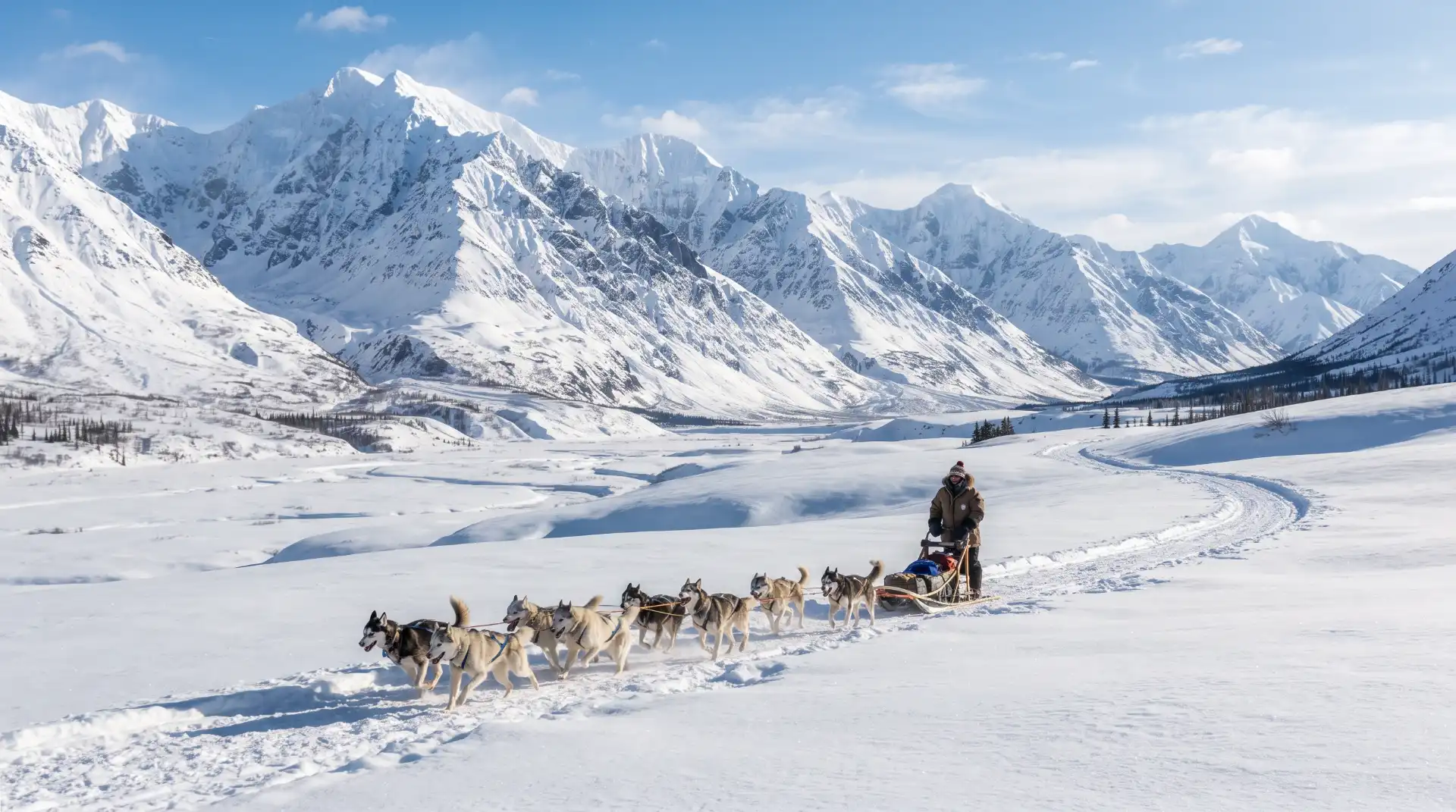
Modern communication technology has significantly improved backcountry safety.
Satellite communicators allow users to send messages and emergency distress signals from areas without cell service. GPS navigation devices also help confirm your location when visibility deteriorates or trails become difficult to follow after fresh snowfall.
Before leaving home, always share your itinerary with someone you trust. Include your planned route, expected return time, vehicle location, and emergency contact information.
Simple communication habits—such as checking in after completing your trip—can significantly reduce response times if something goes wrong.
Human Factors That Lead to Avalanche Accidents
Avalanche education emphasizes that poor decisions often contribute more to accidents than lack of technical skill.
Several psychological traps repeatedly appear in accident investigations.
Familiarity is one of the most common. Just because you’ve traveled a trail many times does not guarantee it is safe under today’s conditions.
Group pressure can also influence decision-making. Less experienced participants may hesitate to question a more confident leader, even when they feel uncomfortable.
Another common mistake is allowing perfect weather to create a false sense of security. Blue skies often follow heavy snowstorms, precisely when avalanche danger may still remain elevated.
Learning to recognize these human tendencies helps mushers make more objective decisions rather than relying on optimism or routine.
Learning From Professional Avalanche Education
Reading articles is an excellent starting point, but formal avalanche education provides far more comprehensive training.
Organizations throughout the United States offer introductory avalanche awareness courses, rescue workshops, and multi-day certification programs that combine classroom instruction with field exercises.
Participants learn how to identify avalanche terrain, interpret weather patterns, evaluate snow stability, and perform realistic rescue scenarios. These courses also emphasize risk management and decision-making—skills that benefit every type of winter traveler, including mushers.
The American Avalanche Association and regional avalanche centers maintain educational resources that help outdoor enthusiasts continue learning throughout each winter season.
Avalanche Awareness Is a Lifelong Skill
Even seasoned mushers continue studying avalanche science because winter conditions never stop changing. Every season brings new snowpack patterns, weather events, and terrain challenges.
Remaining curious, reviewing forecasts regularly, practicing rescue skills, and staying informed about current conditions all contribute to safer adventures.
Backcountry dog sledding offers some of the most memorable experiences available during winter. Watching a well-trained team move silently through snow-covered forests while surrounded by mountain scenery creates unforgettable moments. Protecting those experiences begins with respecting the environment and recognizing that preparation is just as important as enthusiasm.
When mushers combine careful planning with conservative decision-making, proper equipment, ongoing education, and a commitment to safety, they create adventures that are both exciting and responsible.
Whether you are exploring the Rockies, Alaska, Minnesota’s Northwoods, or the mountains of the Pacific Northwest, avalanche awareness should always be part of every trip plan.
In the final part of this guide, we’ll cover frequently asked questions, practical planning tips, a summary of key takeaways, and a conclusion with additional internal and external resources.