
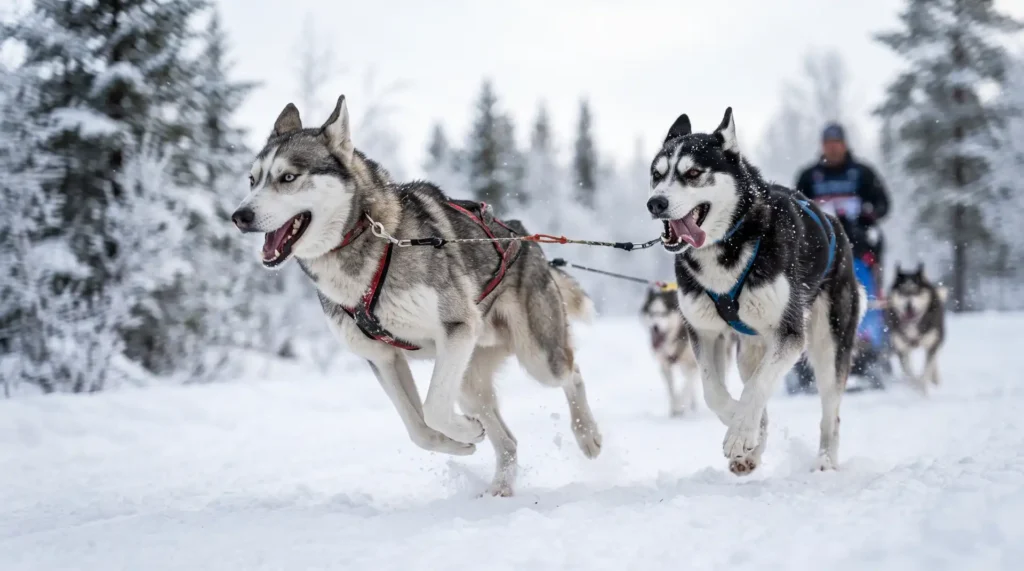
Few sights capture the excitement of winter quite like a team of sled dogs racing across a snowy landscape. Their tails wag, their ears perk up, and many bark enthusiastically while waiting for the command to begin. To someone experiencing dog sledding for the first time, it often appears that these remarkable animals genuinely enjoy every moment of pulling a sled.
That observation is supported by decades of research into canine behavior, physiology, and genetics. Sled dogs are not simply running because someone tells them to—they have been selectively bred for generations to thrive in endurance activities, cooperate as a team, and eagerly embrace physical challenges. Their excitement comes from a combination of instinct, athletic ability, social behavior, and the positive relationships they build with experienced mushers.
If you’ve ever wondered why sled dogs seem so excited before a run, this guide explains the science behind their remarkable enthusiasm while exploring how responsible training, proper care, and ethical handling help these incredible working dogs live active and fulfilling lives.
Thousands of Years of Selective Breeding
Humans have partnered with sled dogs for thousands of years in Arctic and sub-Arctic regions. Indigenous communities relied on these dogs to transport food, supplies, and people across frozen landscapes where wheeled vehicles were impractical.
Over many generations, dogs that possessed exceptional endurance, intelligence, cooperation, and a strong desire to pull were naturally selected for breeding. These traits became increasingly common, creating modern sled dog lines that are exceptionally well suited for long-distance travel.
Unlike many household pets that were bred primarily for companionship or appearance, sled dogs were developed for performance. Their physical characteristics—including efficient gait, cardiovascular endurance, thick double coats, and strong muscles—allow them to work comfortably in cold environments while covering impressive distances.
Modern Alaskan Huskies, one of the most common sled dog breeds used in racing and recreational tours, are actually purpose-bred athletes rather than a standardized purebred. Their genetics emphasize endurance, efficiency, and willingness to work instead of appearance alone.
The Runner’s Brain
One of the biggest reasons sled dogs appear so excited is because physical exercise activates rewarding neurological pathways.
During sustained exercise, dogs experience the release of chemicals such as endorphins, dopamine, and other neurotransmitters associated with positive feelings. These natural chemicals help regulate mood, reduce stress, and reinforce enjoyable behaviors.
For sled dogs, running becomes intrinsically rewarding. Much like many humans look forward to hiking, cycling, or distance running, sled dogs often anticipate opportunities to exercise because the activity itself is enjoyable.
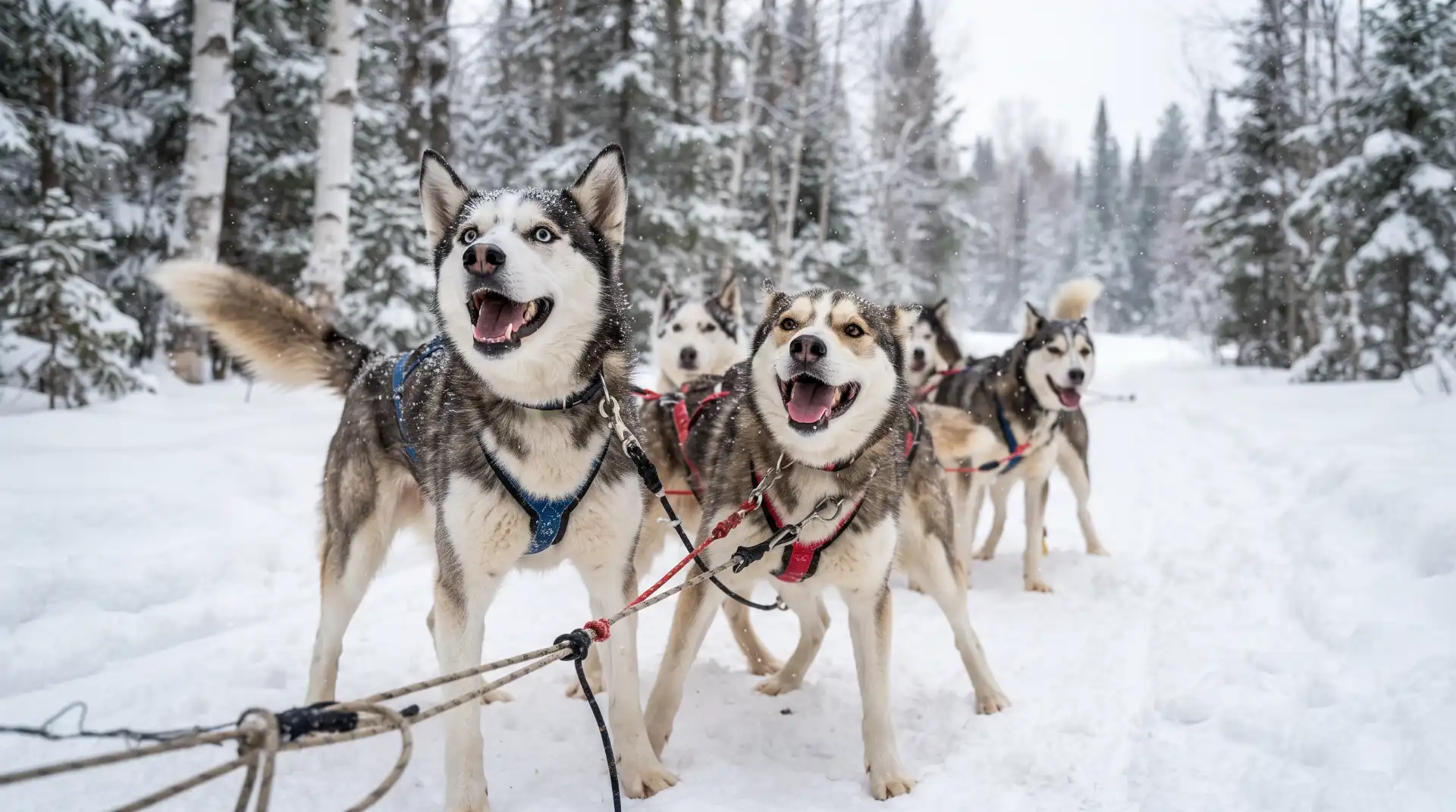
This explains why experienced mushers frequently observe dogs barking, jumping, and wagging their tails before leaving the kennel. Rather than displaying anxiety, healthy sled dogs often demonstrate excitement because they recognize familiar routines that lead to an activity they enjoy.
Exercise Matches Their Natural Instincts
Dogs descended from wolves that traveled long distances while searching for food and navigating challenging environments. Although modern sled dogs are highly domesticated, many still retain a strong instinct for movement, exploration, and cooperative travel.
Running across snowy trails provides constant mental stimulation. Every trail presents new scents, changing terrain, wildlife tracks, weather conditions, and opportunities for teamwork.
Unlike repetitive exercise in confined spaces, trail running continuously engages both the body and the mind. This combination helps explain why sled dogs often remain mentally engaged during long outings.
They Thrive as Team Athletes
Sled dogs are social animals that naturally enjoy working together. A sled team depends on cooperation, communication, and trust among every dog and the musher.
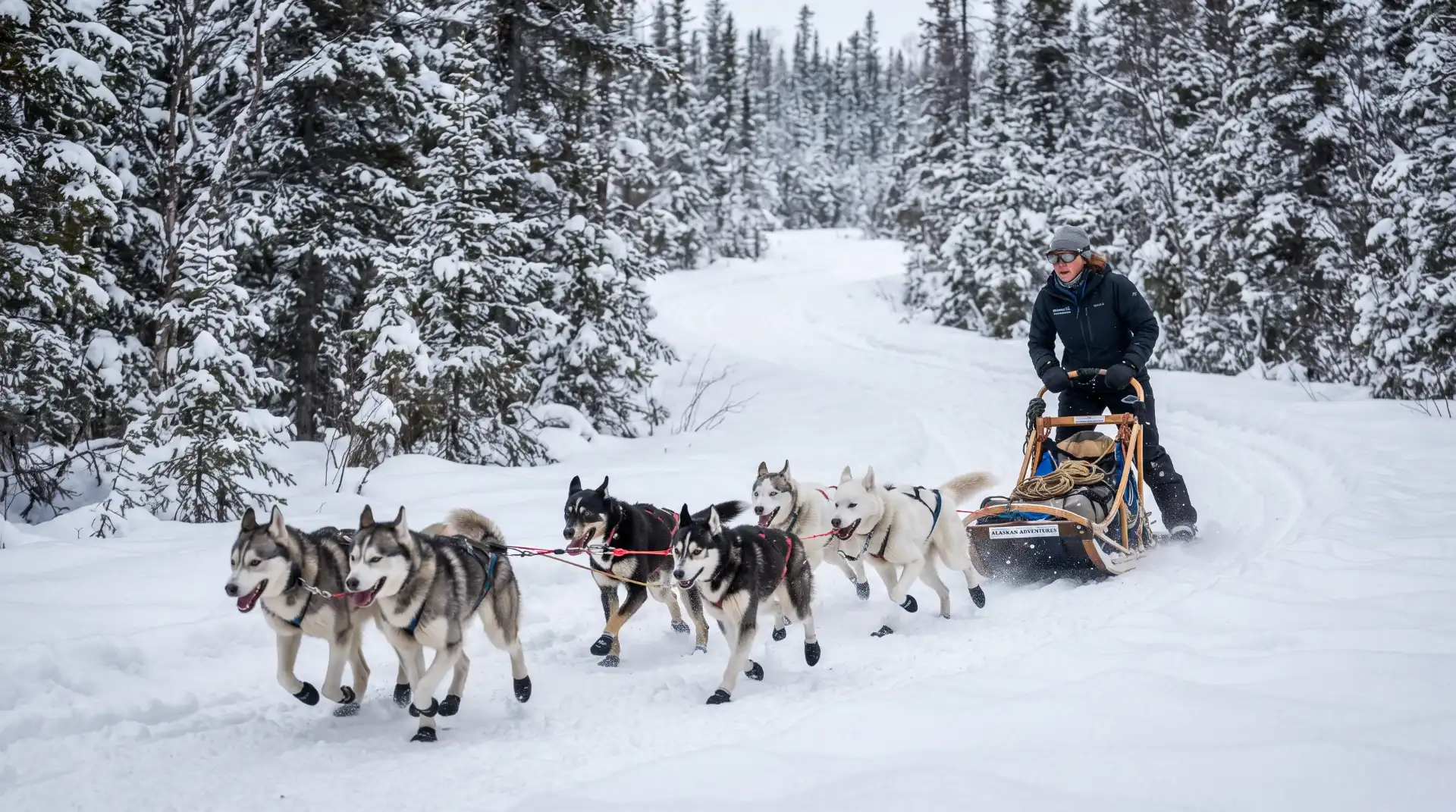
Each position on the team serves a specific purpose. Lead dogs respond to commands and help navigate the trail. Swing dogs assist with turns, team dogs provide consistent pulling power, and wheel dogs help move the sled from the rear.
Because every dog contributes to the team’s success, sled dogs develop strong working relationships with one another. This social cooperation is one reason many dogs appear eager to take their place in the harness.
Physical Adaptations Make Running Efficient
One of the most fascinating aspects of sled dogs is how remarkably efficient their bodies become during endurance exercise.
Their hearts pump oxygen-rich blood efficiently throughout the body, while powerful lungs help sustain long periods of activity. Their muscles are particularly effective at using fat as an energy source, allowing them to maintain endurance over long distances.
Scientific studies of sled dogs have shown that these athletes possess extraordinary aerobic capacity and recover quickly after demanding exercise when properly conditioned.
Thick double coats provide insulation without significantly limiting movement, while compact paws help distribute weight across snow and improve traction.
Positive Reinforcement Creates Excitement
Responsible sled dog programs rely on positive reinforcement rather than fear or punishment.
Dogs learn that wearing a harness, hearing familiar commands, and preparing for a run lead to rewarding experiences. Praise, affection, routine, and enjoyable exercise strengthen these positive associations over time.
This predictable routine helps explain why many sled dogs become visibly excited as soon as preparations begin.
Mental Enrichment Is Just as Important
Running provides more than physical exercise. It also satisfies many of the mental needs of highly intelligent working dogs.
Following trail commands, responding to changing terrain, working with teammates, and navigating obstacles all require concentration and decision-making.
Without sufficient enrichment, active breeds may become bored. Regular opportunities for exercise, exploration, and problem-solving help keep sled dogs mentally healthy.
Do Sled Dogs Ever Get Tired?
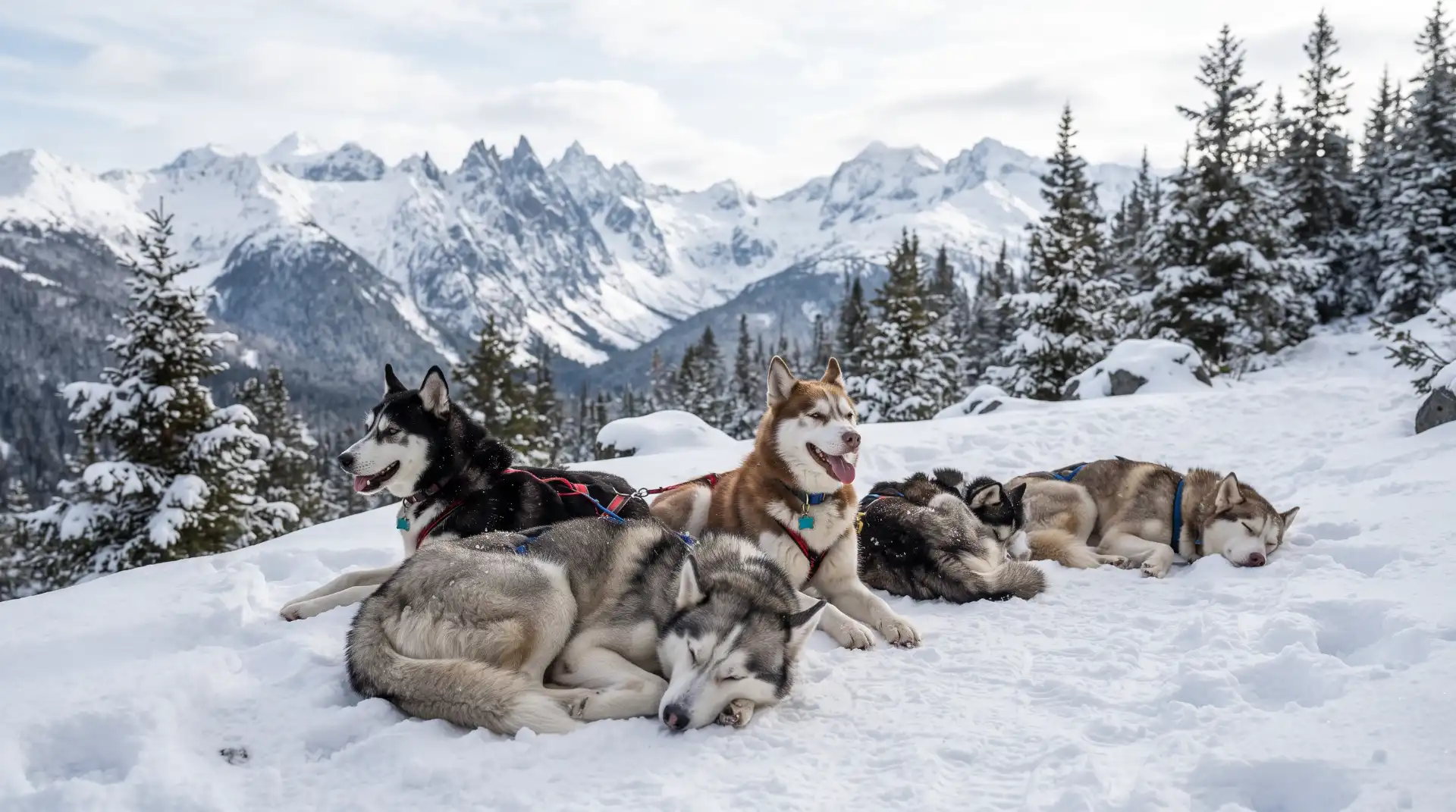
Absolutely. Responsible mushers carefully monitor each dog’s physical condition throughout every season.
Well-managed teams receive scheduled rest periods, balanced nutrition, veterinary care, hydration, and conditioning appropriate for their age and fitness level. Individual dogs showing signs of fatigue, illness, or injury are removed from work and allowed to recover.
Modern animal welfare practices emphasize that healthy sled dogs perform best when their well-being comes first.
Nutrition Fuels Incredible Endurance
Elite sled dogs burn an extraordinary number of calories during training and extended runs. Their diets are formulated to provide high-quality protein and fat, helping maintain muscle while supplying the energy needed for endurance.
Proper hydration is equally important, even in freezing temperatures. Mushers frequently provide warm water and nutrient-rich meals before and after exercise to support recovery.
Weather Plays a Major Role
Cold temperatures are generally much more comfortable for sled dogs than hot weather. Their dense coats help retain warmth while they are moving, but warmer conditions can increase the risk of overheating.
Professional tour operators carefully monitor trail conditions, snow quality, and temperatures before every excursion. Tours may be adjusted or canceled when conditions are not suitable for the dogs.
Building Trust Between Mushers and Dogs
A successful sled dog team depends on trust. Mushers spend countless hours caring for, training, feeding, grooming, and interacting with their dogs outside of trail time.
Strong relationships help dogs understand expectations while giving mushers valuable insight into each animal’s personality, strengths, and physical condition.
This bond contributes significantly to the enthusiasm many visitors observe before a run.
Common Myths About Sled Dogs
One common misconception is that sled dogs are forced to run against their will. In reality, ethical sled dog operations depend on dogs that willingly participate. Dogs that lack enthusiasm or are not physically suited for pulling are not expected to perform.
Another myth is that sled dogs are simply “working animals” with little affection for people. In fact, many sled dogs are highly social and enjoy spending time with handlers and visitors when appropriately introduced.
Experience the Difference Yourself
Watching sled dogs prepare for a run is one of the best ways to appreciate their enthusiasm firsthand. Their excitement, teamwork, and athleticism become immediately apparent as they anticipate the trail ahead.
If you’re planning your first winter adventure, consider reading our guides on How to Prepare for Your First Dog Sledding Adventure, How to Stay Warm on Your Sled Dog Excursion, and Photography Tips for Capturing Dog Sled Adventures. These resources can help you make the most of your visit while learning even more about these incredible working dogs.
Conclusion
The reason sled dogs love to run is not the result of a single factor. It reflects thousands of years of selective breeding, remarkable athletic ability, social cooperation, mental stimulation, and positive relationships with experienced mushers. Their excitement is supported by biology, reinforced through ethical training, and sustained by proper nutrition, conditioning, and compassionate care.
For visitors, witnessing a team launch onto a snowy trail offers more than an unforgettable adventure—it provides a glimpse into one of the most extraordinary partnerships between humans and animals. Understanding the science behind that enthusiasm makes every run even more meaningful and highlights why responsible sled dog programs prioritize the health and happiness of every dog on the team.
To learn more about canine health and welfare, visit the American Veterinary Medical Association at https://www.avma.org.