
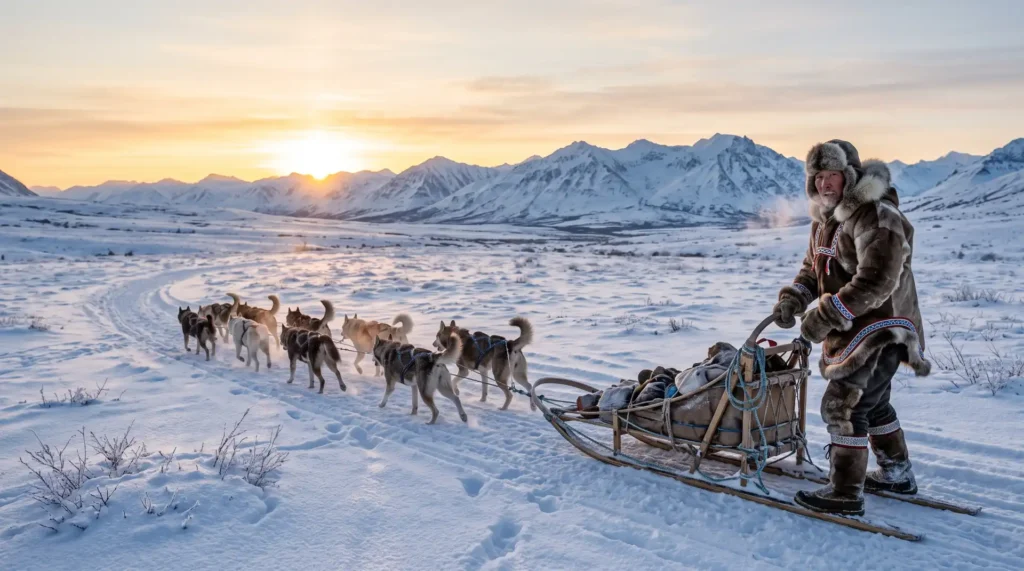
For thousands of years, sled dogs have been much more than transportation in Alaska. They have been trusted partners, hunting companions, protectors, and an essential part of survival across some of the harshest environments in North America. Long before organized sled dog races captured worldwide attention, Alaska Native communities relied on dog teams to travel between villages, transport supplies, hunt game, and maintain connections across vast frozen landscapes.
Today, Alaska Native mushing traditions remain alive, although they have naturally evolved alongside modern technology and changing lifestyles. Snowmachines, improved roads, and air transportation have reduced dependence on dog teams in many regions, but sled dogs continue to play an important role in preserving cultural heritage, teaching younger generations, supporting subsistence activities, and strengthening community identity.
Across rural Alaska, Indigenous families continue to raise and work sled dogs not simply as athletes, but as living connections to centuries of tradition. These practices help preserve knowledge that has been passed from one generation to the next while introducing modern audiences to one of Alaska’s most respected cultural legacies.
The Origins of Dog Mushing in Alaska Native Communities
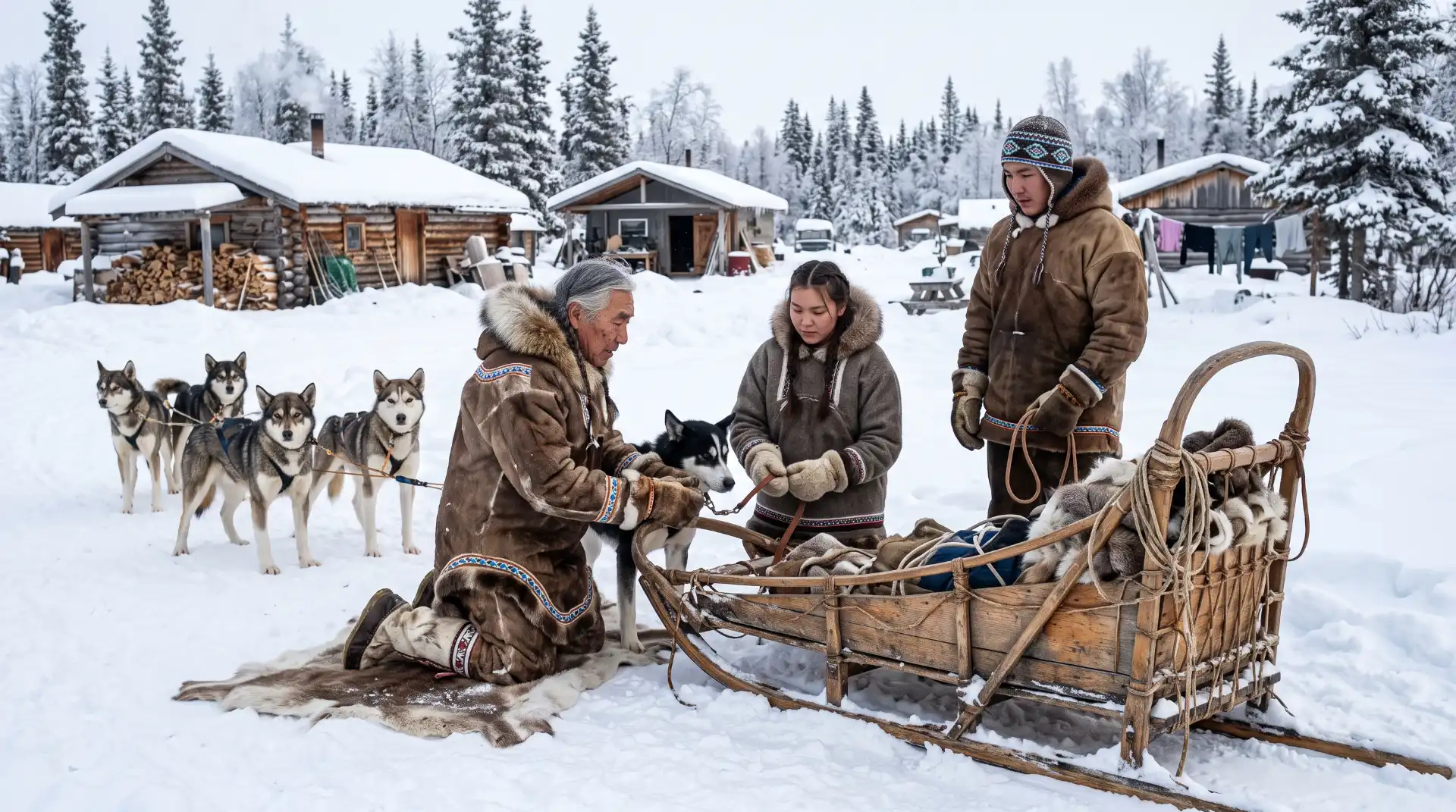
Long before Alaska became part of the United States, Indigenous peoples throughout the region had developed sophisticated methods of traveling across snow and ice using dog teams. Different Native cultures—including the Iñupiat, Yup’ik, Athabascan, Alutiiq, and other Indigenous groups—adapted sled dog travel to fit their local environments and seasonal needs.
While equipment and techniques varied between regions, the relationship between people and sled dogs shared common themes. Dogs provided dependable transportation during long winters, allowing families to hunt, fish, trap, trade, and visit neighboring villages even when snow made travel difficult.
The dogs themselves were carefully selected for endurance, intelligence, strength, and their ability to work cooperatively as a team. Training began early, often with younger dogs learning from experienced leaders that understood trails, weather conditions, and commands.
More Than Transportation
Although sled dogs carried people and cargo, their role extended well beyond simple transportation. Dog teams supported nearly every aspect of daily life in many northern communities.
Hunters depended on sled dogs to reach remote hunting grounds where they pursued caribou, moose, seals, or other game that sustained their families. Fish camps often relied on dog teams to move heavy catches back to villages during winter months. In some communities, sled dogs helped transport firewood, building materials, and supplies across frozen rivers and tundra.
The relationship between mushers and their dogs was built on mutual trust. A dependable lead dog could recognize unsafe ice, detect storms, and help guide the team through whiteout conditions that challenged even experienced travelers.
Traditional Knowledge Passed Between Generations
One of the most valuable aspects of Alaska Native mushing is the knowledge that accompanies it. Skills are rarely learned from books alone. Instead, children often observe parents, grandparents, and community elders caring for dogs, repairing sleds, reading weather patterns, and understanding the land.
This hands-on learning teaches patience, responsibility, teamwork, and respect for animals. Young mushers learn how to feed working dogs, inspect paws for injuries, fit harnesses correctly, and recognize when a dog needs rest. They also gain an appreciation for environmental awareness by studying snow conditions, wildlife movement, and seasonal changes.
Many Alaska Native communities continue to organize youth mushing programs that help preserve these traditions while encouraging healthy outdoor activities.
How Modern Mushing Has Changed
Today’s Alaska looks very different from the Alaska of centuries past. Snowmachines, airplanes, highways, satellite communication, and GPS technology have transformed travel throughout much of the state.
Despite these advancements, many Indigenous families continue keeping sled dogs because they represent more than a practical tool. Dog teams remain symbols of cultural identity and resilience.
Modern mushers often combine traditional knowledge with contemporary veterinary medicine, improved nutrition, lightweight sled materials, and advanced training methods. This balance allows communities to protect cultural traditions while improving animal welfare and safety.
The Role of Sled Dogs in Subsistence Living
Subsistence remains central to many rural Alaska communities. Hunting, fishing, berry gathering, and harvesting natural resources continue to provide food security and cultural continuity.
In regions where snow conditions permit, sled dogs still assist with transporting harvested game, hauling equipment, and reaching remote cabins. Unlike motorized vehicles, dog teams can sometimes travel quietly through areas where mechanical equipment may be impractical or less dependable during severe winter conditions.
For many families, maintaining sled dogs also strengthens year-round routines that revolve around animal care, outdoor work, and shared responsibilities.
Community Mushing Events
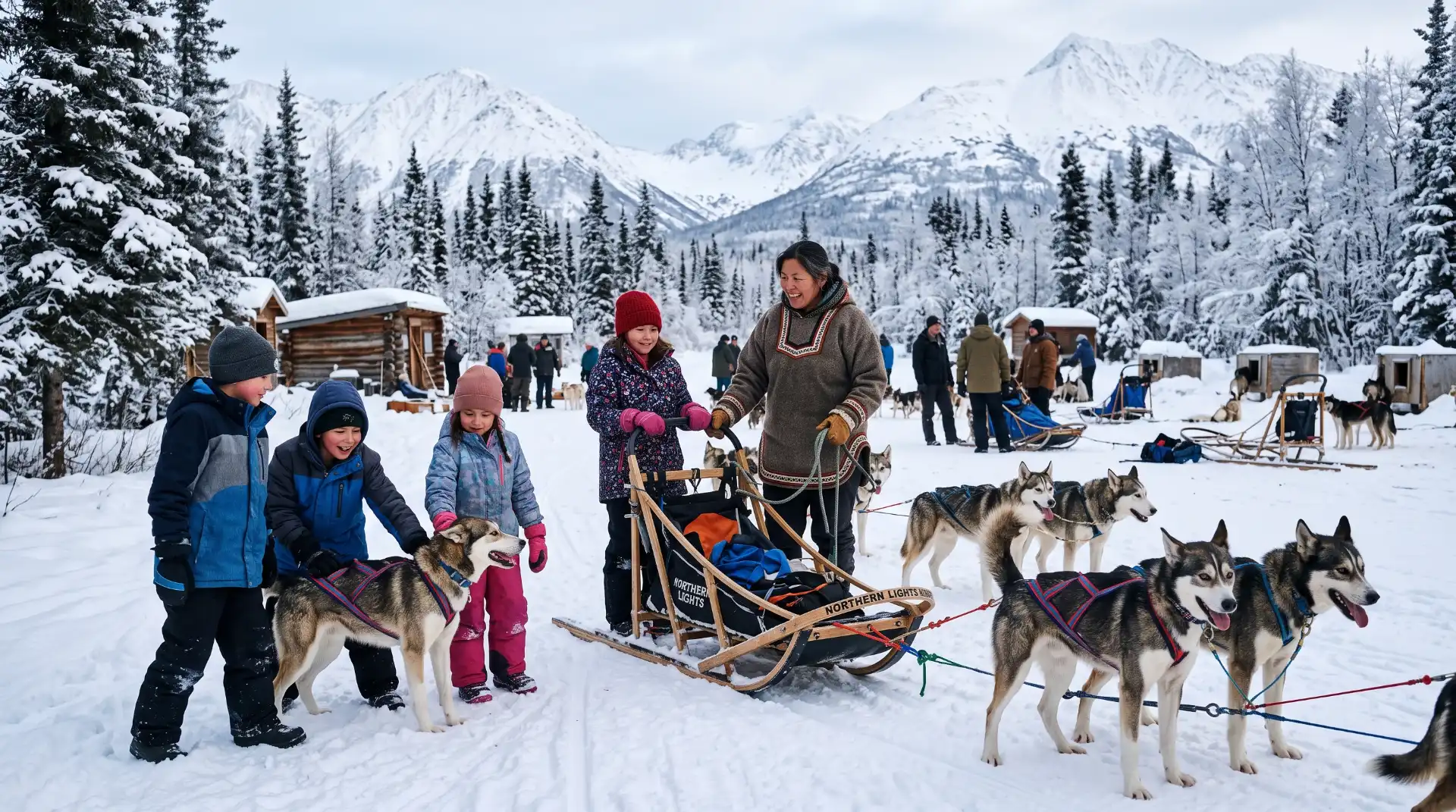
Across Alaska, local races and community gatherings celebrate traditional mushing while welcoming younger generations into the sport. These events are often smaller than internationally known races but carry deep local significance.
Children frequently participate in junior races designed to introduce safe mushing techniques while reinforcing community values. Elders share stories about historical trails, memorable dog teams, and changes they have witnessed throughout their lives.
Rather than focusing solely on competition, these gatherings strengthen relationships between families and help preserve cultural traditions that might otherwise fade.
The Influence of the Iditarod
The Iditarod Trail Sled Dog Race has introduced millions of people to Alaska mushing. While the race celebrates endurance and teamwork, it represents only one chapter of Alaska’s much longer sled dog history.
Many Alaska Native mushers have competed in the Iditarod and other long-distance races, bringing generations of traditional trail knowledge into modern competition. Their participation highlights the continuing influence of Indigenous mushing practices within contemporary racing.
At the same time, many Native communities emphasize that everyday working dog teams remain equally important because they preserve cultural traditions beyond organized sporting events.
Education and Cultural Preservation
Schools, museums, tribal organizations, and cultural centers increasingly incorporate mushing into educational programs. Students learn not only how sled dogs work but also why they have been essential to Alaska’s history.
These programs often include demonstrations of sled construction, traditional commands, dog care, winter survival, and storytelling from experienced mushers. By connecting practical skills with cultural history, educators help ensure that younger generations appreciate both the historical and modern significance of sled dogs.
The National Park Service also maintains working sled dog kennels at Denali National Park, where visitors can learn about the continuing role of sled dogs in park operations and Alaska history. Additional information is available through the National Park Service.
Challenges Facing Traditional Mushing
Like many cultural practices, Alaska Native mushing faces challenges. Climate change has altered snowfall patterns in some regions, affecting trail conditions and winter travel seasons. Economic pressures, veterinary expenses, and the time required to care for working dog teams can also make maintaining kennels difficult.
Even so, many communities remain committed to preserving these traditions by investing in youth education, cultural programs, and community events that encourage participation.
The continued dedication of experienced mushers demonstrates that cultural preservation depends not only on historical recognition but also on everyday practice.
The Human-Animal Partnership
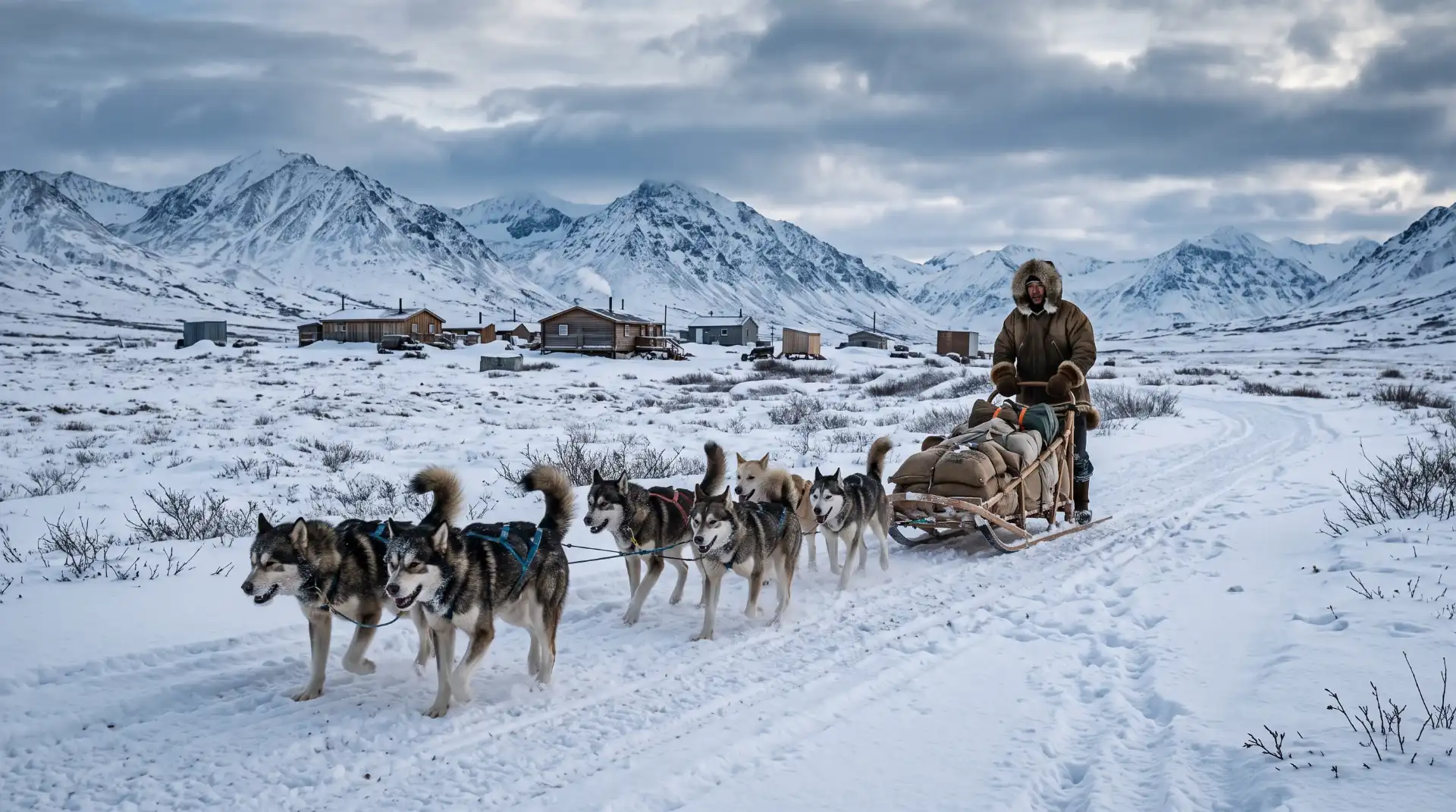
One of the defining features of Alaska Native mushing traditions is the close partnership between people and dogs. Successful teams rely on communication rather than force. Mushers learn each dog’s strengths, personality, and preferred position within the team.
Lead dogs are selected for intelligence and confidence, while wheel dogs provide power near the sled. Every animal contributes differently, creating a cooperative system built through consistent training and mutual trust.
This relationship reflects broader Indigenous values that emphasize respect for animals and appreciation for the natural world.
Experiencing Alaska Mushing Responsibly
Visitors interested in learning about Alaska Native mushing traditions should seek ethical tour operators and educational programs that prioritize animal welfare and cultural respect. Many organizations work closely with local communities to provide authentic experiences that explain the historical importance of sled dogs while supporting responsible tourism.
Learning from experienced mushers allows visitors to better understand that sled dogs represent living cultural heritage rather than simply recreational attractions.
Looking Ahead
Alaska Native mushing traditions continue to evolve without losing sight of their roots. Modern equipment and changing lifestyles may influence how dog teams are used, but the values of teamwork, resilience, respect for animals, and connection to the land remain unchanged.
As younger generations embrace these traditions alongside contemporary technology, mushing continues to serve as both a practical skill and a powerful symbol of Indigenous heritage. Through education, community events, and continued stewardship of working sled dogs, Alaska Native communities are ensuring that this remarkable tradition remains part of Alaska’s future as well as its past.
Explore More Dog Sledding Resources
If you enjoy learning about sled dog culture, you may also be interested in exploring our guides on beginner dog sledding, dryland mushing training, sled dog breeds, and the daily life of professional mushers. These resources provide additional insight into the history, care, training, and future of sled dog teams throughout North America.