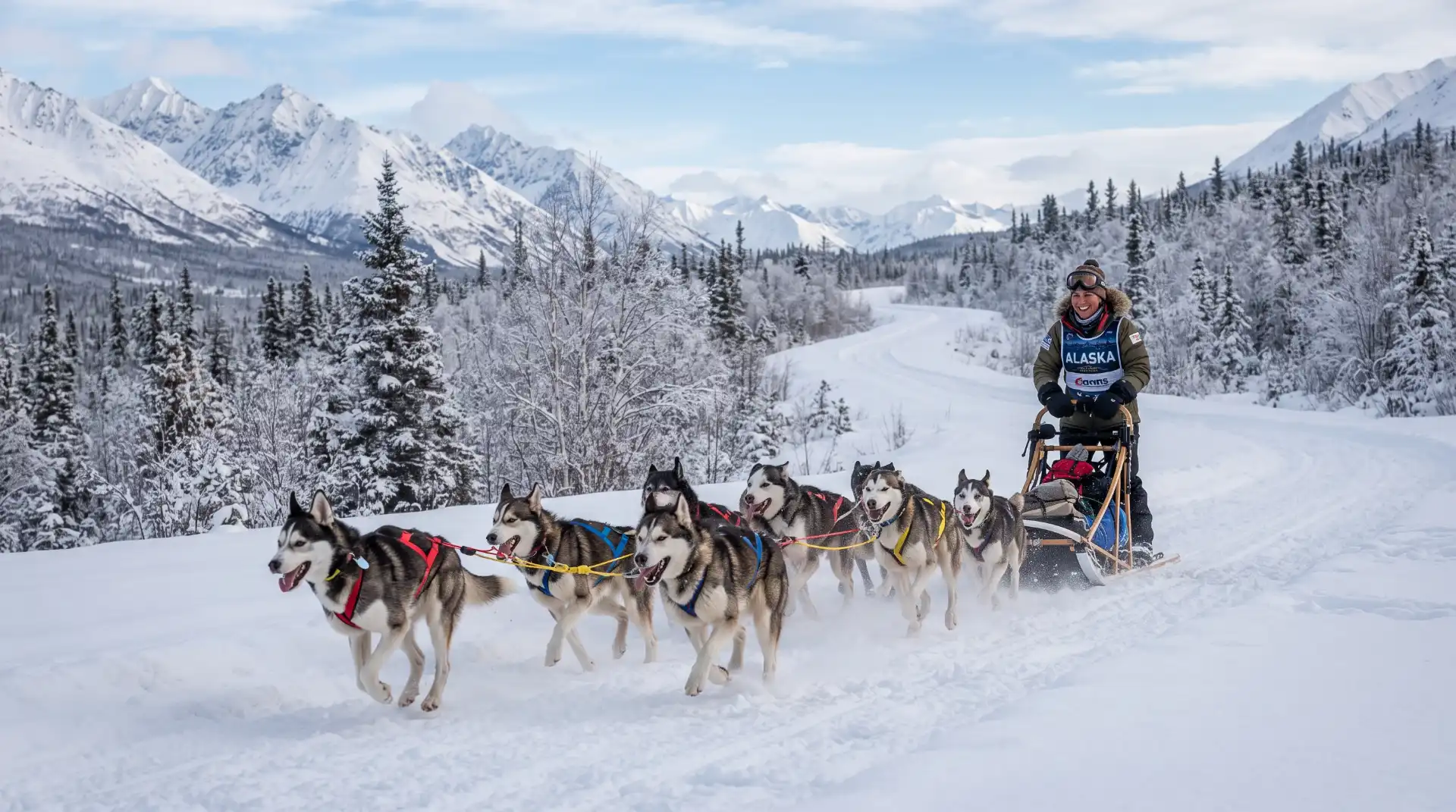
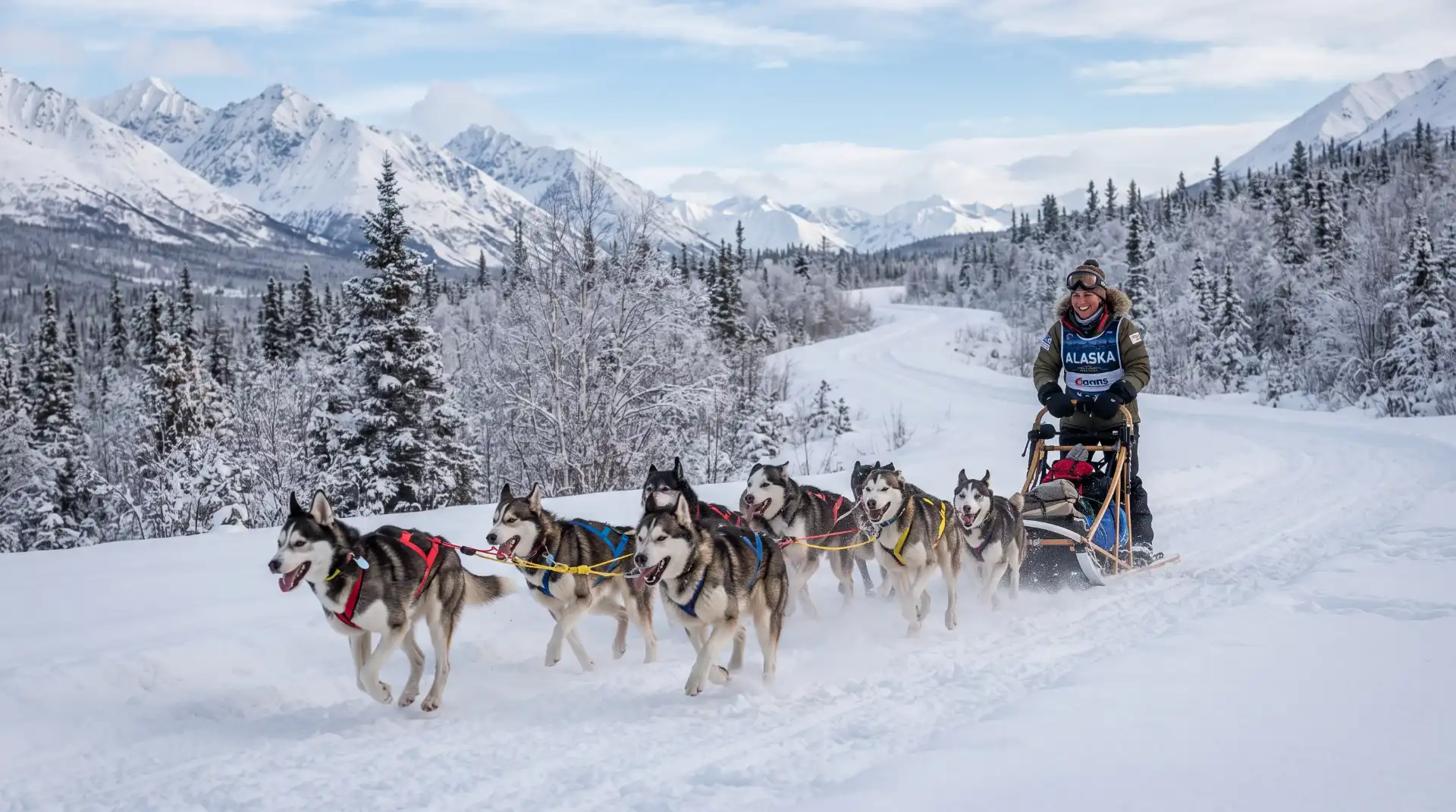
When people think about dog sledding in the United States, one image often comes to mind: a powerful team of dogs running through a snowy wilderness while a musher guides them from behind a sled.
Sled dogs have become an important part of American outdoor culture, particularly in Alaska and other northern regions where winter conditions create ideal opportunities for mushing. However, the dogs pulling these sleds are not all the same. Different breeds and purpose-bred sled-dog lines have different physical characteristics, personalities, and working abilities.
The Siberian Husky is probably the most recognizable sled dog in the world. Its athletic build, thick coat, blue or brown eyes, and connection to long-distance travel have made it an iconic northern breed. The Alaskan Malamute, meanwhile, was developed with a different purpose in mind. It is larger, heavier, and historically associated with hauling substantial loads.
Then there are Alaskan Huskies, which are particularly important in modern competitive mushing. Unlike standardized purebred dogs, Alaskan Huskies are purpose-bred working dogs whose ancestry can include several breeds selected for traits such as speed, endurance, strength, and willingness to work.
Other breeds, including the Samoyed and Chinook, also have important connections to sledding and northern working-dog history.
Understanding these differences is useful whether you are interested in competitive racing, recreational dog sledding, dryland mushing, winter adventures, or simply learning more about these remarkable working dogs.
What Makes a Dog Suitable for Mushing?
Being a northern breed does not automatically make a dog a sled dog.
Mushing places unique demands on dogs. A working team needs animals that are physically capable of running, mentally motivated to work, comfortable around other dogs, and able to follow training and commands.
Endurance is particularly important. A sled dog may need to maintain a steady pace over considerable distances, sometimes for several hours. Efficient movement can therefore be more valuable than simply having explosive speed.
Healthy feet are another important characteristic. Dogs working on snow and packed trails can place considerable stress on their paws. Experienced mushers pay close attention to foot condition, especially during demanding training and long-distance events.
A good working sled dog also needs an appropriate temperament. Mushing is a team activity, so dogs need to function around other dogs while remaining responsive to their human handler.
Motivation is equally important. Many successful sled dogs genuinely enjoy running and become excited when they see their harnesses and equipment. That enthusiasm can make training much easier and can contribute to a coordinated team.
Breed history can provide clues about these characteristics, but individual dogs still differ. Two dogs from the same breed may have very different personalities, athletic abilities, and preferences.
That is why responsible mushers evaluate the individual dog as well as the breed.
Siberian Husky: The Classic Sled Dog
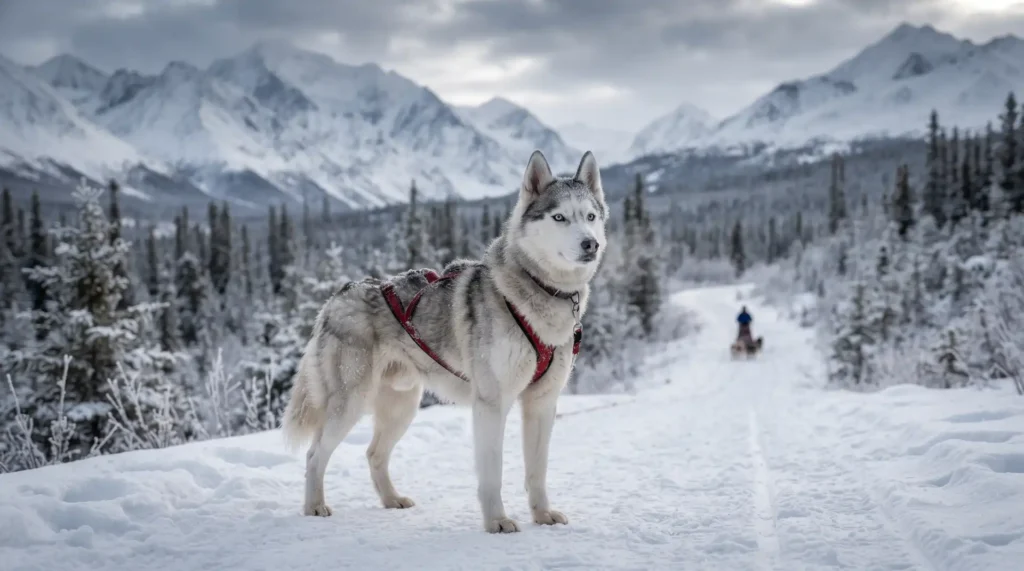
The Siberian Husky is one of the most famous sled dog breeds in the United States.
Developed by the Chukchi people of northeastern Siberia, the breed was created to pull relatively light loads efficiently over long distances. This history helped shape the athletic and efficient dog recognized today.
Siberian Huskies are medium-sized dogs with a combination of strength, endurance, and efficient movement. Their double coat provides insulation in cold conditions, while their compact build allows them to travel efficiently.
The American Kennel Club recognizes the Siberian Husky as a working breed with a long sled-dog history.
American Kennel Club – Siberian Husky
One of the most important things to understand about Siberian Huskies is that their traditional working purpose was not simply to pull as hard as possible. They were designed for efficient travel.
This distinction helps explain why a Siberian Husky may not look as heavily built as an Alaskan Malamute.
For long-distance work, efficiency can be extremely valuable. A dog that maintains a sustainable pace while conserving energy can be an important part of a distance team.
Siberian Huskies as Modern Companion Dogs
Although the Siberian Husky has a strong working heritage, many Huskies in the United States now live primarily as companion animals.
That does not eliminate their need for activity.
Siberian Huskies can be energetic, athletic, curious, and independent. They generally benefit from regular physical exercise and mental stimulation. Owners who are attracted to the breed because of its connection to sledding should understand that a Husky’s exercise requirements do not disappear simply because it is not part of a working team.
Activities such as hiking, running, skijoring, canicross, and other dog sports may provide appropriate outlets for active individuals when conducted safely and according to the dog’s fitness and environmental conditions.
Alaskan Malamute: Strength and Freighting Ability
The Alaskan Malamute is another iconic northern working dog.
At first glance, it may appear very similar to a Siberian Husky. Both have thick coats, erect ears, curled or carried tails, and a strong association with Arctic and sub-Arctic environments.
However, their original working purposes were different.
The Alaskan Malamute was developed for power. Historically, Malamutes were used to haul heavy loads across challenging terrain rather than focusing primarily on speed.
Their larger body, substantial bone, muscular shoulders, and powerful build reflect this history.
The American Kennel Club describes the Malamute as a powerful Arctic sled dog originally developed to haul heavy freight.
American Kennel Club – Alaskan Malamute
Malamutes and Modern Mushing
Malamutes can participate in recreational sledding and pulling activities, but their strengths are somewhat different from those of lightweight racing dogs.
Their power can make them suitable for activities where pulling strength is important.
However, people should not assume that a larger sled dog is automatically a faster or more capable racing dog.
Mushing is highly specialized. Sprint racing, long-distance racing, recreational sledding, freight hauling, and dryland sports can all place different demands on a dog.
The Malamute’s historical role demonstrates why understanding a dog’s original purpose matters.
Alaskan Husky: The Modern Racing Athlete
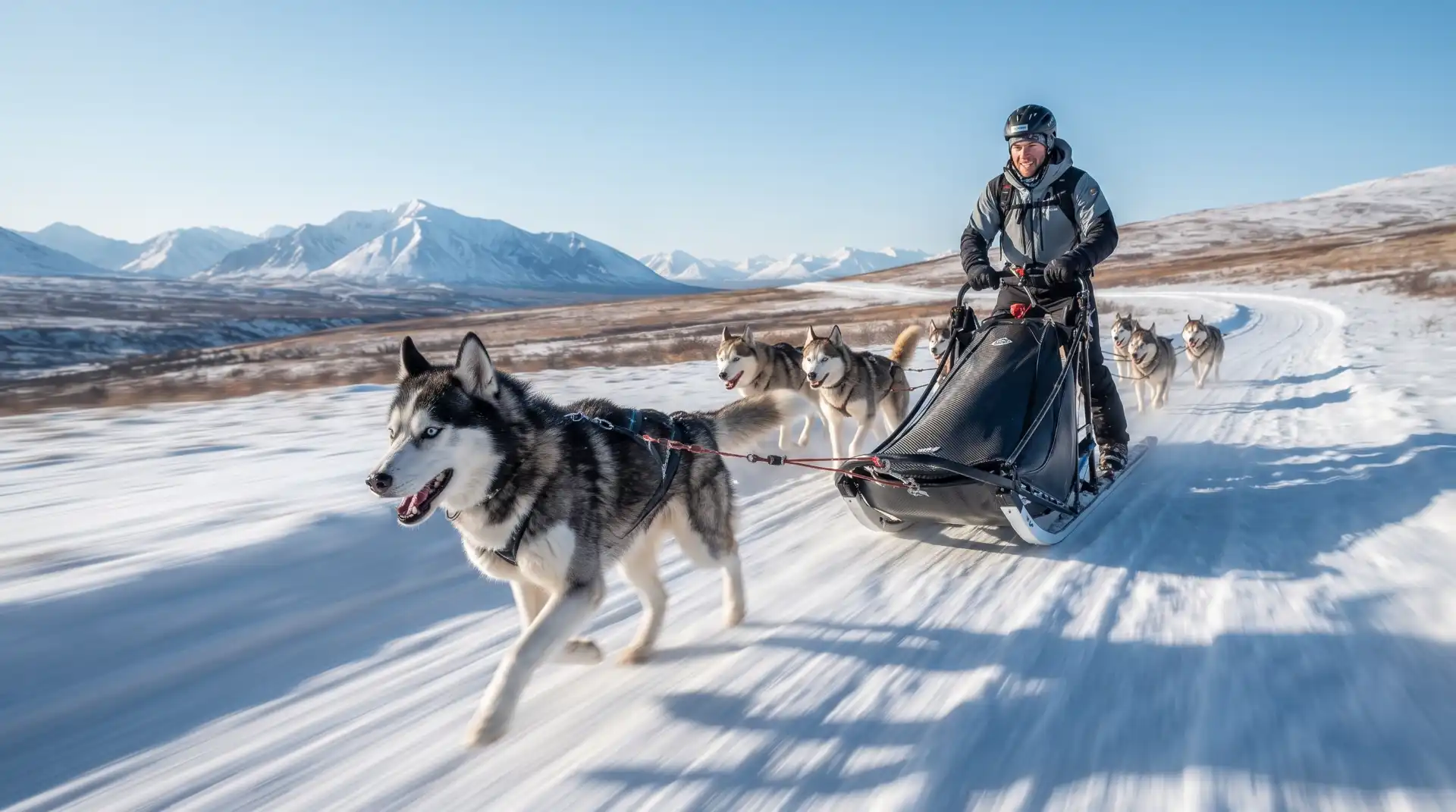
The Alaskan Husky is particularly interesting because it represents the evolution of modern sled-dog racing.
Unlike the Siberian Husky and Alaskan Malamute, the Alaskan Husky is not a standardized purebred breed recognized by the American Kennel Club.
Instead, “Alaskan Husky” generally describes purpose-bred sled dogs developed for performance.
Their ancestry may include Siberian Huskies, Alaskan Malamutes, pointers, hounds, Border Collies, and other dogs.
The goal is not necessarily to create a dog that looks a certain way. The emphasis is on working ability.
A modern racing musher may select dogs based on speed, endurance, efficient movement, appetite, recovery, foot quality, temperament, and willingness to run.
This approach has produced highly athletic sled dogs that can look quite different from the traditional image of a Siberian Husky.
Some Alaskan Huskies are lean and long-legged. Others have heavier coats or different facial markings. What connects them is their selection for sled-dog performance.
Why Alaskan Huskies Matter in U.S. Mushing
Modern mushing in Alaska demonstrates how working-dog breeding can evolve around a specific sport.
Competitive teams need dogs capable of handling demanding training schedules and long distances while maintaining enthusiasm and physical condition.
The result is a type of sled dog optimized for performance rather than appearance.
For anyone researching the best sled dog breeds for mushing, this distinction is essential. The most successful competitive sled dogs may not belong to a traditional purebred category.
Samoyed: A Versatile Northern Working Breed
The Samoyed is instantly recognizable because of its beautiful white or cream-colored coat, smiling expression, and curled tail.
The breed originated among the Samoyedic peoples of Siberia and historically performed several jobs, including herding, hunting, companionship, and pulling sleds.
Its thick coat and cold-weather heritage make it well adapted to winter environments.
Samoyeds are generally active and social dogs, and their working history is an important part of their identity.
They are not typically the first breed people associate with modern high-speed racing teams, but they remain relevant when discussing the broader history of sled dogs.
Their story also demonstrates that sled dogs were historically multipurpose working animals. Pulling was just one of several tasks northern dogs performed alongside people.
Chinook: An American Sled Dog Breed
The Chinook deserves special attention because it has a distinctly American history.
The breed was developed in New Hampshire during the early 20th century and became associated with sledding and exploration.
Although much less common than Siberian Huskies or Alaskan Malamutes, Chinooks are part of the American sled-dog story.
The breed was developed as a working sled dog with an emphasis on strength, endurance, and a cooperative temperament.
For people interested in U.S. dog history, the Chinook offers an excellent reminder that sled-dog culture is not limited to Alaska.
New England also has a meaningful connection to sled-dog development, expeditions, and winter sports.
Siberian Husky vs. Alaskan Malamute
The Siberian Husky and Alaskan Malamute are frequently compared because both are famous northern sled dogs.
The easiest way to understand the historical difference is to consider their original jobs.
Siberian Huskies were developed for efficient long-distance travel while pulling relatively lighter loads.
Malamutes were developed with greater emphasis on strength and hauling heavy loads.
This difference is reflected in their bodies.
Siberian Huskies tend to be lighter and more compact. Malamutes are substantially heavier and more muscular.
Neither design is inherently suited to every type of mushing.
The comparison is similar to comparing different types of athletes. A distance runner and a strength athlete may both be extremely fit, but their bodies and training are optimized for different tasks.
This is why choosing a sled dog should begin with the activity rather than simply asking which breed is “the best.”
The Importance of Individual Personality
Breed characteristics are useful, but individual personality matters enormously in mushing.
Every sled dog has its own temperament.
Some dogs are highly energetic and naturally motivated to run. Others may be calmer or more independent.
Some dogs may naturally pay close attention to the lead dog and follow the team’s rhythm. Others may show strong leadership tendencies.
A musher learns these individual characteristics over time.
This knowledge can influence where dogs are placed within a team and how they are trained.
The relationship between dogs and musher is one of the most fascinating parts of mushing. It is not simply a matter of attaching dogs to a sled and giving commands.
The team needs communication, trust, training, and experience.
For readers interested in how working teams operate, this topic can naturally connect with your other Outlaw Ridge content about sled-dog team organization and working with sled dogs.
Suggested internal link: Link the phrase sled dog team roles and running order to your existing related article on the Outlaw Ridge Sled Dogs website.
What Makes a Good Lead Dog?
The lead position is one of the most visible roles on a sled team, but it requires more than simply being the fastest dog.
A lead dog needs to understand commands and maintain concentration.
The dog may need to guide the team along a trail, respond to directional commands, and maintain an appropriate pace.
Trust between the lead dog and musher is extremely important.
A good lead dog can also influence the behavior of the dogs behind it. The rest of the team needs to follow the lead and maintain a coordinated rhythm.
Not every athletic sled dog will become a lead dog.
Leadership depends on temperament, intelligence, responsiveness, confidence, and training.
Why Foot Health Matters for Sled Dogs
A sled dog’s feet are among its most important pieces of equipment.
Unlike a human athlete who can choose specialized footwear for different conditions, dogs depend on their natural paws to handle the trail.
Snow, ice, hard-packed surfaces, frozen terrain, and abrasive trail conditions can all affect paw health.
Mushers therefore monitor their dogs carefully.
Changes in gait, reluctance to run, licking of paws, or other unusual behavior can indicate that something needs attention.
Protective equipment such as dog booties may sometimes be used depending on conditions and the dog’s needs.
Foot care should be part of a larger health and conditioning program rather than an afterthought.
Nutrition for Working Sled Dogs
A demanding working dog needs appropriate nutrition.
Sled dogs can expend substantial energy during training and racing, especially in cold environments.
Nutrition therefore plays a central role in maintaining body condition and supporting athletic performance.
The precise nutritional requirements of an individual dog can vary depending on workload, age, body condition, health, weather, and the type of activity.
Mushers and veterinarians may adjust feeding strategies during different stages of training and competition.
For readers interested in this subject, an internal article about sled dog nutrition and performance would be a valuable companion to this breed guide.
Suggested internal link: Link sled dog nutrition and performance to your existing Outlaw Ridge nutrition article.
The important lesson is that choosing an athletic breed is only the beginning. Proper nutrition, conditioning, rest, veterinary care, and training all contribute to the dog’s ability to work safely.
Sled Dogs and Cold Weather
Northern breeds have physical characteristics that help them tolerate cold environments, but that does not mean they are immune to weather-related risks.
Cold temperatures, wind, wet conditions, ice, and changing trail surfaces all require attention.
Dogs should be monitored throughout an activity rather than assuming that a thick coat guarantees safety.
Mushers need to understand trail conditions and watch individual dogs for signs of discomfort, fatigue, injury, or unusual behavior.
This is particularly important for recreational mushers and visitors who may have less experience interpreting canine behavior.
Responsible mushing puts the dog’s welfare ahead of speed, distance, or entertainment.
Can Sled Dogs Live in Warmer Parts of the United States?
Sled-dog breeds are found throughout the United States, not only in Alaska.
Siberian Huskies, Malamutes, and other northern breeds live with families across the country.
However, warmer climates can present challenges.
A dog with a dense double coat may be more vulnerable to overheating during hot weather and intense exercise.
Owners should adjust activities around weather conditions and provide appropriate opportunities for exercise when temperatures are safe.
This is one reason dryland activities can be useful for sled-dog enthusiasts outside traditional snow regions.
Instead of waiting for winter, experienced handlers may participate in activities such as canicross or other dog-powered sports under suitable conditions.
Dryland Mushing in the United States
Snow is not required for every form of mushing.
Dryland mushing has become an important way for sled-dog teams and enthusiasts to maintain training when snow is unavailable.
Depending on the discipline, dogs can work with specialized equipment such as scooters, carts, or other forms of lightweight transportation.
Dryland training can be particularly relevant in parts of the United States where snowfall is seasonal or unreliable.
For example, a musher in a northern state may have a long winter training season, while someone in another region may need alternative activities throughout much of the year.
This makes conditioning an important part of maintaining working dogs.
Suggested internal link: Link dryland training for sled dogs to your existing Outlaw Ridge article about dryland mushing and off-season conditioning.
Sled Dog Racing in the United States
Competitive sled-dog racing is one of the most demanding forms of dog-powered sport.
Alaska is particularly well known for long-distance mushing, but sled-dog races and recreational mushing activities take place in other parts of the country as well.
Events can vary considerably.
Some focus on sprint distances, while others involve much longer races requiring careful management of dogs, food, equipment, weather, and rest.
One of the most famous events in the United States is the Iditarod Trail Sled Dog Race in Alaska.
The Iditarod has become internationally associated with Alaskan history and modern sled-dog racing.
For people learning about the sport, following major races can provide useful insight into how different teams are trained and managed.
The Historic Role of Sled Dogs in America
Before snow machines, modern vehicles, and developed winter transportation networks, sled dogs provided an efficient way to move people and supplies through snowy regions.
Their importance was especially significant in Alaska and other remote northern areas.
One of the most famous events in sled-dog history occurred in 1925, when teams transported diphtheria antitoxin to Nome, Alaska.
The journey became known as the serum run and helped make dogs such as Balto and Togo famous.
However, the story involved many teams and mushers rather than a single dog.
The event remains an important part of American sled-dog history because it demonstrates how working dogs could provide transportation when other options were limited.
Today, mushing has evolved from an essential transportation method into a combination of sport, recreation, cultural tradition, tourism, and outdoor adventure.
How to Choose the Right Sled Dog Breed
If you are considering a dog for mushing, start by identifying the type of activity you want to pursue.
Someone interested in recreational winter sledding may have different requirements from a person training for long-distance racing.
Someone interested in pulling equipment on dryland trails will also need to consider different environmental conditions.
Breed history can help narrow the possibilities, but it should not be the only factor.
Health, age, temperament, fitness, motivation, training, and individual ability are equally important.
It is also essential to work with knowledgeable professionals when beginning demanding dog sports.
A veterinarian can help evaluate whether a dog is physically ready for a particular level of activity, while an experienced musher can provide practical guidance about equipment and training.
Why Sled Dogs Are More Than Athletes
It can be tempting to look at sled dogs only as high-performance athletes.
But the relationship between a musher and a sled dog is much broader.
These dogs are working partners.
They learn routines, respond to human commands, interact with teammates, and develop individual relationships with their handlers.
For many mushers, the dogs are the heart of the experience.
This is one reason dog sledding can be so memorable for visitors. The adventure is not simply about traveling through a snowy landscape.
It is about seeing a team of dogs work together and understanding the relationship between people and working animals.
At Outlaw Ridge Sled Dogs, this connection between people, dogs, and the outdoors is central to the experience.
Frequently Asked Questions
What is the best sled dog breed for mushing?
There is no single best breed for every type of mushing. Siberian Huskies, Alaskan Malamutes, Alaskan Huskies, Samoyeds, and Chinooks all have connections to sledding, but their characteristics and historical purposes differ.
Are Siberian Huskies good sled dogs?
Yes. Siberian Huskies were specifically developed for sled work and long-distance travel. Their endurance, athletic build, and efficient movement have made them one of the world’s best-known sled-dog breeds.
Are Alaskan Malamutes used for sledding?
Yes. Alaskan Malamutes were historically developed for hauling heavy loads. Their strength makes them well suited to certain types of pulling and recreational mushing.
What is an Alaskan Husky?
An Alaskan Husky is generally a purpose-bred sled dog rather than a standardized purebred breed. Modern Alaskan Huskies can have ancestry from several breeds selected for performance characteristics.
Can a family dog become a sled dog?
Some individual dogs may enjoy appropriate pulling or dog-powered activities, but not every dog is physically or temperamentally suited to mushing. Health, conditioning, training, and environmental conditions should be considered first.
Are sled dogs happy?
Sled dogs have individual personalities and needs. Working dogs require appropriate care, nutrition, rest, veterinary attention, training, and humane handling. Dogs that enjoy running and working can show strong enthusiasm for their activities.
Do sled dogs have to be Huskies?
No. Huskies are strongly associated with mushing, but several breeds and purpose-bred working dogs have sled-dog histories.
Final Thoughts: Finding the Right Dog for the Job
The world of sled dogs is much more diverse than the classic picture of a team of Siberian Huskies running through Alaska.
Siberian Huskies represent endurance and efficient long-distance travel. Alaskan Malamutes were developed for strength and heavy hauling. Alaskan Huskies demonstrate the performance-focused breeding behind modern racing. Samoyeds and Chinooks add further depth to the history of northern working dogs.
The most important lesson is that there is no universal answer when someone asks which is the best sled dog breed for mushing.
The right dog depends on the job.
A racing team has different requirements from a recreational team. A long-distance athlete has different needs from a freight dog. A dryland team may require different conditioning than a snow-based team.
Most importantly, the individual dog matters.
A successful sled dog needs appropriate physical ability, motivation, temperament, training, health, and care. The relationship between dog and musher is just as important as the breed name.
For people across the United States who are fascinated by mushing, learning about these breeds provides a deeper appreciation of the sport and its history.
Whether your interest is in Alaska’s famous racing traditions, recreational dog sledding, dryland mushing, northern dog breeds, or simply spending time outdoors with an active canine companion, sled dogs offer an extraordinary example of the partnership between humans and working animals.
At Outlaw Ridge Sled Dogs, that partnership is at the center of the experience. The dogs are not simply transportation. They are athletes, companions, teammates, and an essential part of what makes mushing such a memorable American outdoor tradition.