
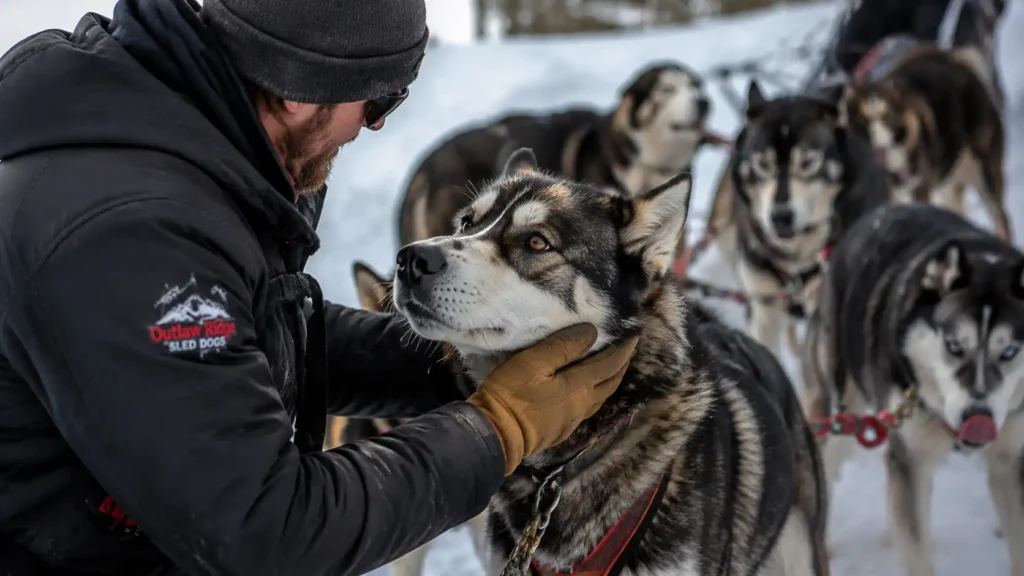
Sled dogs are extraordinary athletes. Their endurance, speed, and drive are matched only by the complexity of their social behaviors and mental processes. To be an effective musher, understanding the psychology of sled dogs is essential. These dogs are not just strong; they are highly intelligent, sensitive animals that respond to subtle cues, leadership, and environmental factors. Observing and interpreting their behavior can dramatically improve team performance, prevent injuries, and strengthen the bond between musher and dog.
Sled dog psychology encompasses several dimensions, including instinct, social hierarchy, communication, motivation, and emotional regulation. Each dog brings unique personality traits to the team, influenced by breed, age, training, and prior experiences. Understanding these factors can help mushers manage a cohesive team and ensure individual dogs thrive both physically and emotionally.
The Instincts Behind Sled Dog Behavior
Many sled dog behaviors are rooted in evolutionary instincts. Breeds commonly used in sledding, such as Alaskan Huskies, Alaskan Malamutes, and Siberian Huskies, were developed for endurance, cold tolerance, and teamwork. These breeds possess natural drives to pull, chase, and explore, making them well-suited to mushing. However, instincts alone do not dictate behavior; they interact with learned experiences and human guidance.
A key instinct in sled dogs is pack orientation. Unlike some domestic breeds that thrive in solitary interactions with humans, sled dogs often rely on pack cohesion. Their ability to work collaboratively is enhanced when each dog understands its role in the team hierarchy. Leaders, wheel dogs, and swing dogs have distinct functions, and behavioral patterns often emerge naturally as dogs assume these roles.
Motivation in sled dogs is also instinct-driven. Dogs with high prey drive or strong energy levels may exhibit bursts of speed or eagerness to lead. Recognizing these impulses and channeling them productively through training is crucial. For example, a dog prone to wandering or distraction may benefit from reinforced recall commands and clear guidance during runs.
Reading Sled Dog Body Language
Understanding sled dog body language is one of the most effective tools for mushers. Subtle cues, from tail position to ear orientation, provide insight into a dog’s emotional state, readiness, and health. Dogs communicate not only with other team members but also with their musher, signaling discomfort, excitement, or fatigue.
A relaxed sled dog typically maintains a neutral tail position, soft eyes, and steady breathing. Tension in the jaw, stiff posture, or rapid panting may indicate stress or fatigue. Observing these signs during training and races allows mushers to respond promptly, preventing overexertion or injury.
Eye contact is another critical signal. Direct gaze may indicate focus or anticipation, while avoidance can signal submission or uncertainty. Recognizing when a dog is confident, anxious, or overstimulated helps the musher adjust commands, pace, or environmental conditions for optimal performance.
Social Hierarchy and Team Dynamics
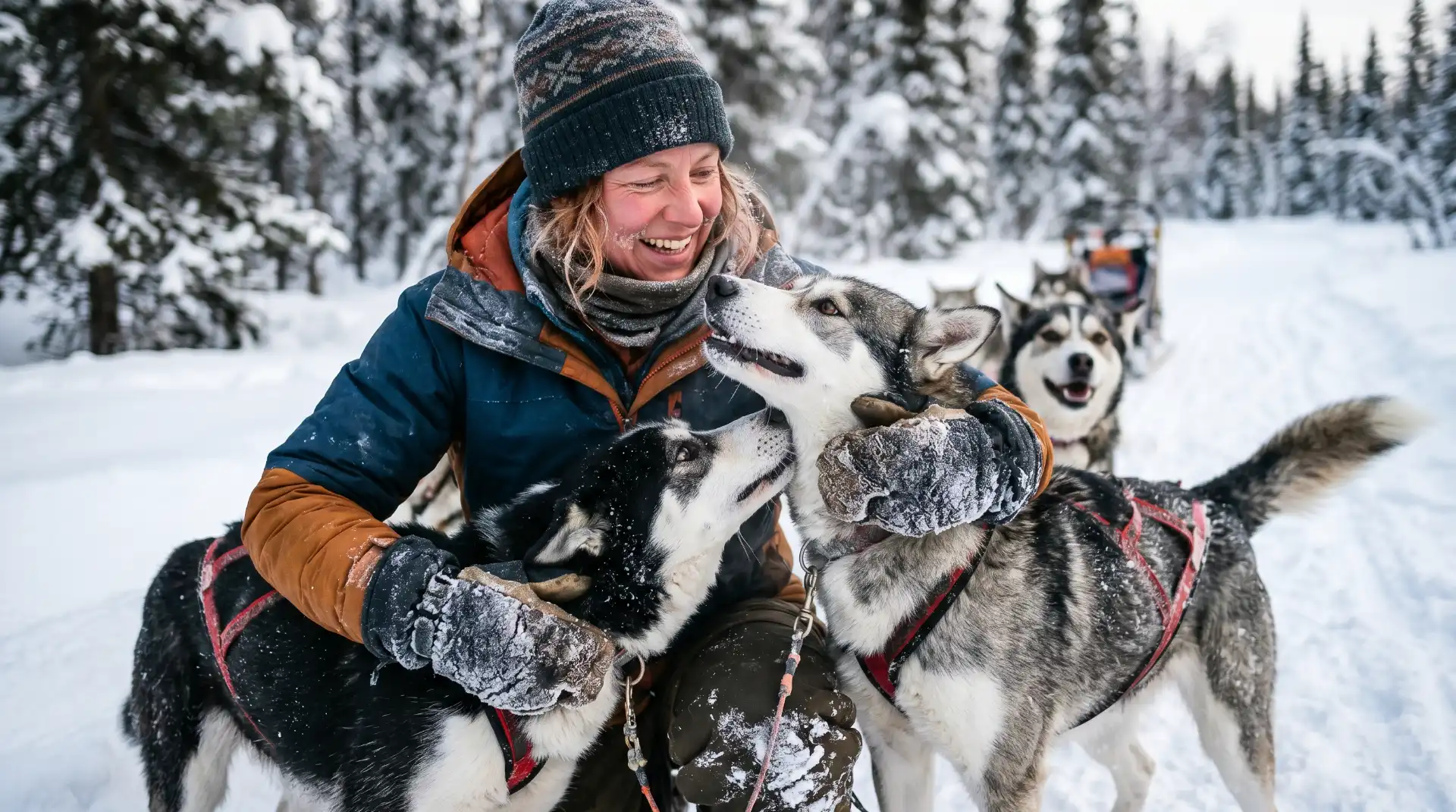
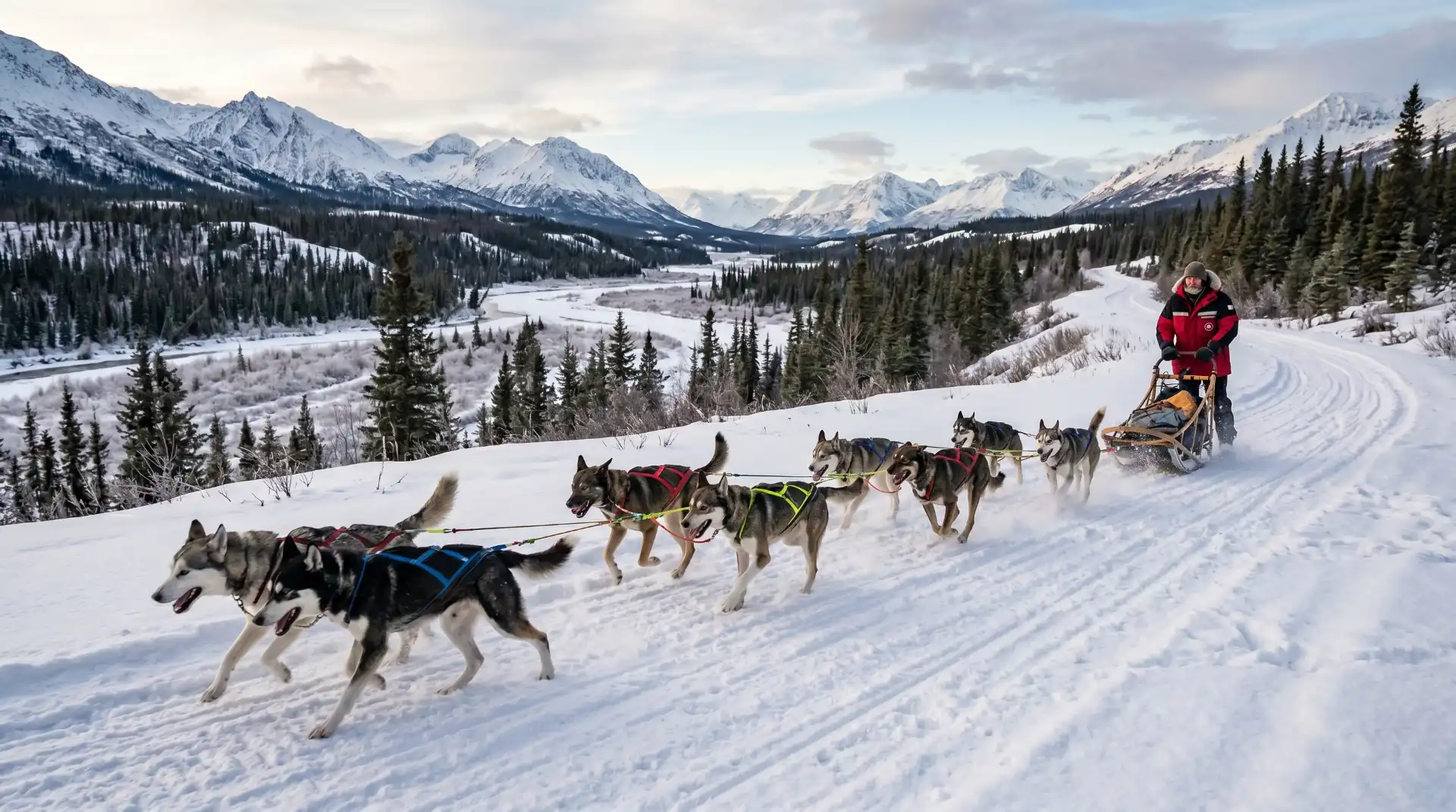
Sled dog teams function as microcosms of canine social groups. A natural hierarchy forms within the pack, influencing cooperation, leadership, and conflict resolution. Typically, lead dogs set the pace and respond to directional commands, while swing, team, and wheel dogs provide support and power.
Understanding these roles is essential for effective team management. For instance, assigning a dominant dog to a position that requires less frequent decision-making may reduce conflicts. Conversely, placing a cooperative but attentive dog in the lead position can optimize team efficiency.
Mushers must also consider personality compatibility. Some dogs are naturally competitive and may challenge others, while more submissive dogs may hesitate in high-pressure situations. Balancing these traits across the team fosters cohesion, minimizes stress, and enhances overall performance.
Communication Between Musher and Dogs
Effective communication is at the heart of sled dog psychology. Dogs respond to verbal commands, body language, tone of voice, and physical cues. Consistency in commands and signals is vital, as confusion can lead to errors, slowed performance, or accidents.
Positive reinforcement strengthens communication and motivation. Rewarding desired behaviors with treats, praise, or affection encourages repetition of those behaviors. Conversely, gentle correction or redirection helps address unwanted behaviors without causing stress or fear.
Non-verbal cues are equally important. Dogs often respond more readily to posture, gait, and hand signals than to voice alone. For example, leaning forward or adjusting weight on the sled can signal the dog to accelerate, while subtle pressure on the harness may indicate slowing or stopping. Understanding these cues enhances efficiency and safety during runs.
Training With Canine Psychology in Mind
Training sled dogs is both an art and a science. Incorporating principles of canine psychology into training routines maximizes effectiveness while maintaining positive relationships. Early socialization and exposure to different environments help dogs develop confidence and adaptability.
Structured routines, combined with varied experiences, enhance learning. Short, frequent training sessions promote focus and retention, while longer runs build endurance and strengthen team dynamics. Incorporating mental challenges, such as obstacle navigation or following complex commands, stimulates cognitive development.
Mushers should also observe individual differences. Some dogs respond well to verbal encouragement, while others are motivated by physical activity or interactive play. Tailoring training strategies to each dog’s personality improves outcomes and prevents frustration or burnout.
Common Behavioral Challenges
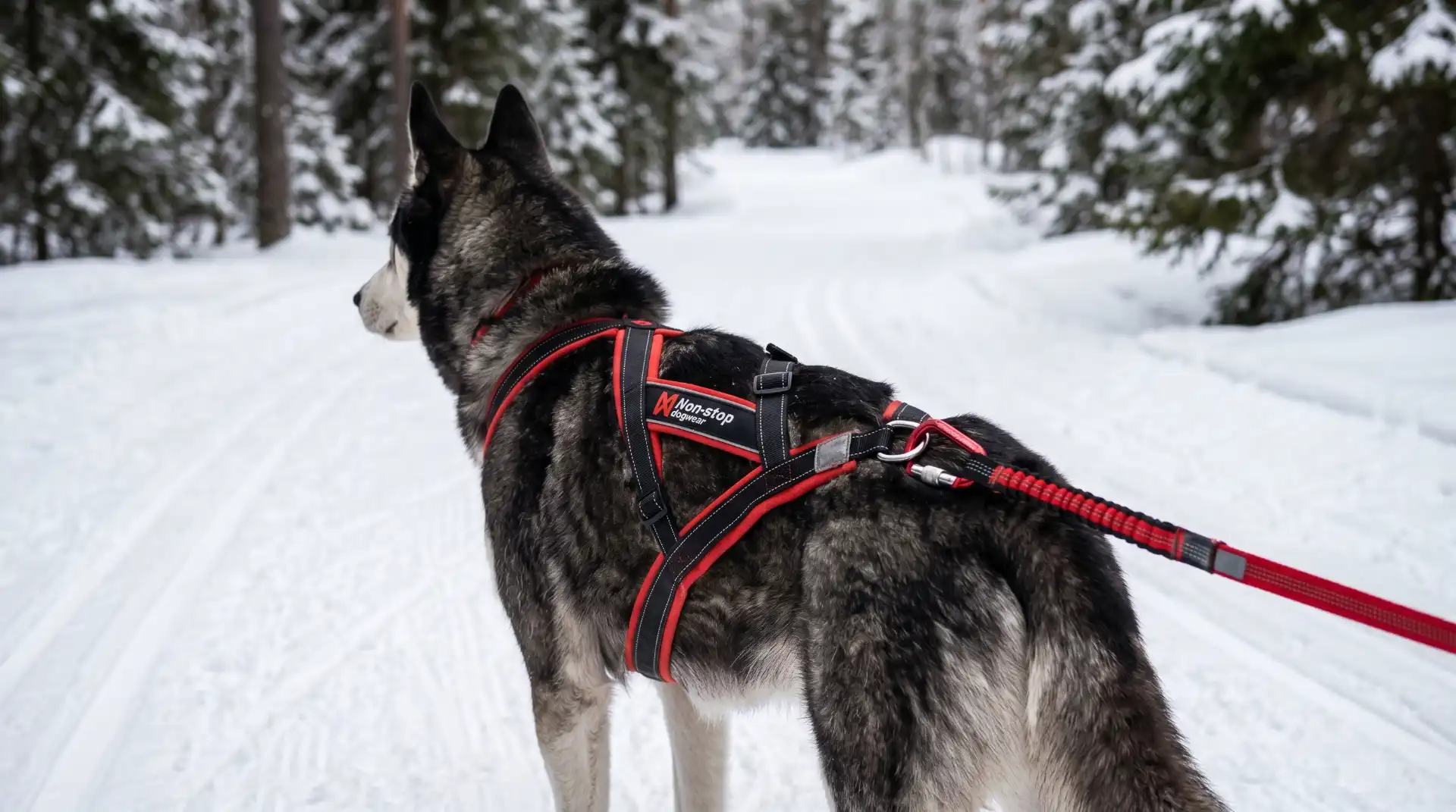
Even well-trained sled dogs may exhibit behavioral challenges. Distractions, competition, fatigue, or environmental stressors can affect performance. Common issues include hesitating at trail junctions, refusing commands, or displaying aggression toward other dogs.
Identifying the root cause is key. Hesitation may indicate confusion, anxiety, or discomfort with equipment. Aggression can result from dominance struggles or stress. Addressing these behaviors through observation, consistent training, and, if necessary, consultation with a canine behavior specialist ensures long-term team success.
Health-related issues can also manifest as behavioral changes. Sudden lethargy, reluctance to run, or irritability may signal injury, illness, or nutritional deficiencies. Regular veterinary checks and proper diet management are essential components of behavioral maintenance.
Emotional Wellbeing and Enrichment
The emotional wellbeing of sled dogs directly influences performance and team harmony. Providing mental and physical enrichment outside of runs keeps dogs engaged, reduces stress, and enhances overall satisfaction.
Activities such as interactive play, scent work, and controlled free runs stimulate problem-solving skills and energy management. Adequate rest, social interaction, and predictable routines reinforce security and trust within the team. Understanding each dog’s temperament and preferences ensures enrichment aligns with individual needs.
Positive musher-dog relationships reinforce confidence. Dogs that feel secure, respected, and understood are more likely to perform consistently, follow commands willingly, and maintain motivation during training and races.
Applying Canine Psychology for Peak Performance
Successful mushers integrate psychological insights into every aspect of sled dog management. Observing behavior, interpreting cues, and adapting training routines ensures that each dog contributes effectively to the team while thriving individually.
For example, rotating lead positions or adjusting workload according to temperament and energy levels maintains balance. Recognizing when a dog is overstressed or fatigued allows the musher to pause or adjust pace, preventing injury and reinforcing trust.
Consistency, patience, and attention to detail create a positive feedback loop. Dogs learn to anticipate commands, understand expectations, and communicate with their musher, creating a seamless partnership between human and canine.
Conclusion
Understanding sled dog behavior is fundamental for any musher or enthusiast. Canine psychology provides insights into instinct, communication, social hierarchy, motivation, and emotional wellbeing. Observing and interpreting these behaviors allows mushers to build cohesive teams, prevent injuries, and maximize performance on the trail.
Investing time in understanding each dog’s personality, preferences, and emotional cues strengthens the bond between musher and team. As sled dogs thrive under attentive, psychologically-informed care, both human and canine experience the full joy, challenge, and adventure of dog-powered winter sports.
For further guidance on canine behavior and psychology, visit the American Kennel Club – Dog Behavior.