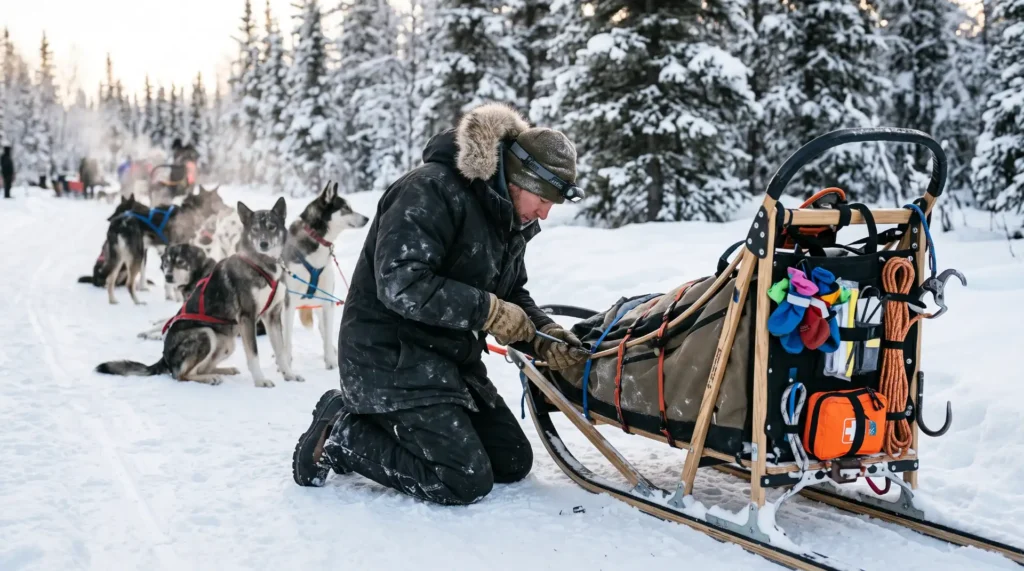
Preparing for the 2026–2027 sled dog racing season means more than getting a team in shape and waiting for the first snowfall. The right equipment helps mushers maintain control, protect their dogs, manage changing trail conditions, and respond to unexpected problems during training and competition. From properly fitted harnesses and durable booties to reliable sled brakes and emergency supplies, every item should serve a clear purpose.
For mushers across the United States, the equipment needed for a short recreational run may differ considerably from the supplies required for a competitive sprint or a multiday wilderness race. Weather, terrain, distance, team size, and race regulations all influence what belongs in a sled bag. A setup that works well on a groomed trail in Minnesota may require adjustments for deep snow, steep terrain, or extreme cold in Alaska.
The best approach is to inspect equipment before winter arrives, test new items during training, and organize supplies so they can be accessed quickly when needed. This guide explains how to build a practical sled dog racing gear checklist for the upcoming season, what to inspect before every run, and how to prioritize canine welfare throughout the mushing experience.
Why the Right Sled Dog Racing Gear Matters
Sled dog racing depends on coordination between the musher, the dogs, the sled, and the equipment connecting the entire team. Each component contributes to performance, but equipment selection should never prioritize speed at the expense of comfort or control.
An unsuitable harness can rub against a dog’s body or restrict movement. Worn lines can fail under tension, while a poorly maintained brake may make it harder to control a sled on a downhill section. Inadequate clothing and emergency supplies can also become serious concerns when weather changes or a team must remain on the trail longer than expected.
Equipment should therefore be evaluated according to its intended use. Recreational mushers need reliable control and appropriate protection for the conditions they encounter. Competitive racers must additionally understand their event’s technical rules, mandatory supplies, inspection procedures, and restrictions on equipment.
The official Iditarod information for mushers provides an important example of how requirements can vary in organized racing. Its rules are specific to that event and should not be treated as universal requirements for every sled dog race.
A useful gear checklist starts with three questions: Does the equipment fit the dog and the activity? Does it function properly under expected conditions? Can the musher inspect, maintain, and use it confidently? If any answer is no, the item needs attention before the next demanding run.
1. Choose Properly Fitted Sled Dog Harnesses
Understand the Different Harness Designs
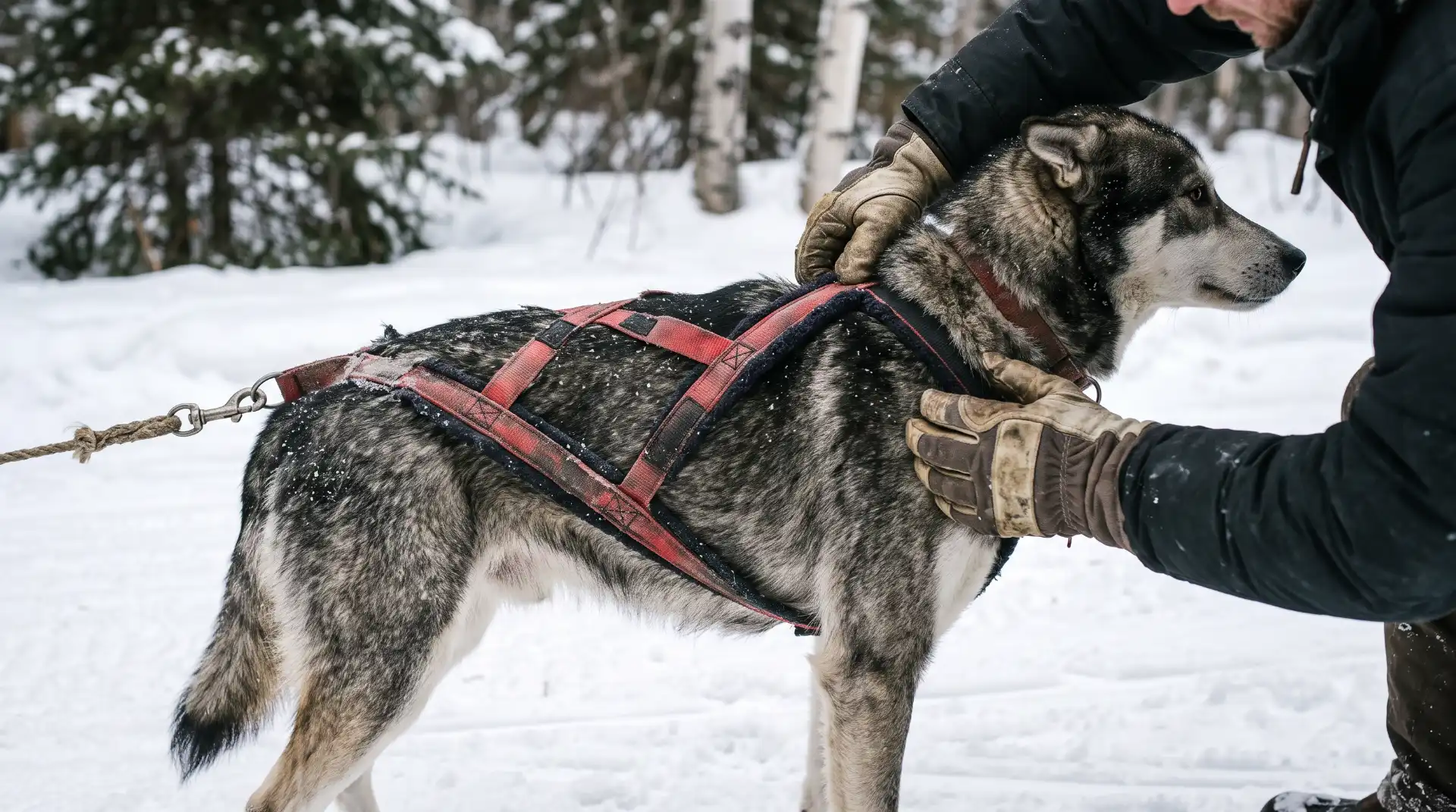
X-back harnesses are widely associated with traditional sled dog racing. Their shape extends along the dog’s back and connects the pulling load through the harness structure. Depending on the dog’s proportions and the design, they can be suitable for various types of pulling work.
However, an X-back harness is not automatically the best choice for every dog. Short-back designs, distance-oriented harnesses, and other configurations may suit particular body shapes or activities better. The important factors are appropriate sizing, freedom of shoulder movement, stable positioning, and the absence of rubbing or pressure points.
A harness designed for canicross or another pulling sport should not be assumed to perform identically to a harness intended for sled work. Before choosing one, consider the expected load, running style, attachment position, and recommendations from an experienced musher or qualified equipment specialist.
Check Harness Fit Before Every Run
Inspect each harness for frayed webbing, damaged stitching, weakened attachment points, stretched sections, and worn hardware. Replace equipment when its integrity is uncertain, particularly when it will be exposed to substantial pulling force.
When fitting a harness, observe the dog standing and moving naturally. It should not restrict the shoulders, rub under the legs, press uncomfortably against the neck, or shift excessively during movement. A harness that looks appropriate while the dog is standing still may behave differently once the team begins pulling.
Check the fit again after the first short training section, especially when using a new harness. Dogs may change shape with conditioning, weight changes, coat development, and age, so previously suitable equipment should not be assumed to fit indefinitely.
Each dog should have an individually appropriate harness rather than receiving a generic size based only on breed or weight. Alaskan Huskies vary in body proportions, and two dogs of similar weight may need different designs.
Keep Spare Harnesses and Repair Supplies
A backup harness can be valuable during training and racing, particularly when the team travels far from home. Store it somewhere clean and dry, and label it so it is easy to identify.
A small repair kit may include suitable replacement hardware, strong cord, and tools appropriate for the equipment. Repairs should never be improvised in a way that leaves a questionable load-bearing connection in service. If a harness or attachment cannot be restored confidently, replace it before continuing.
2. Stock the Right Sled Dog Booties
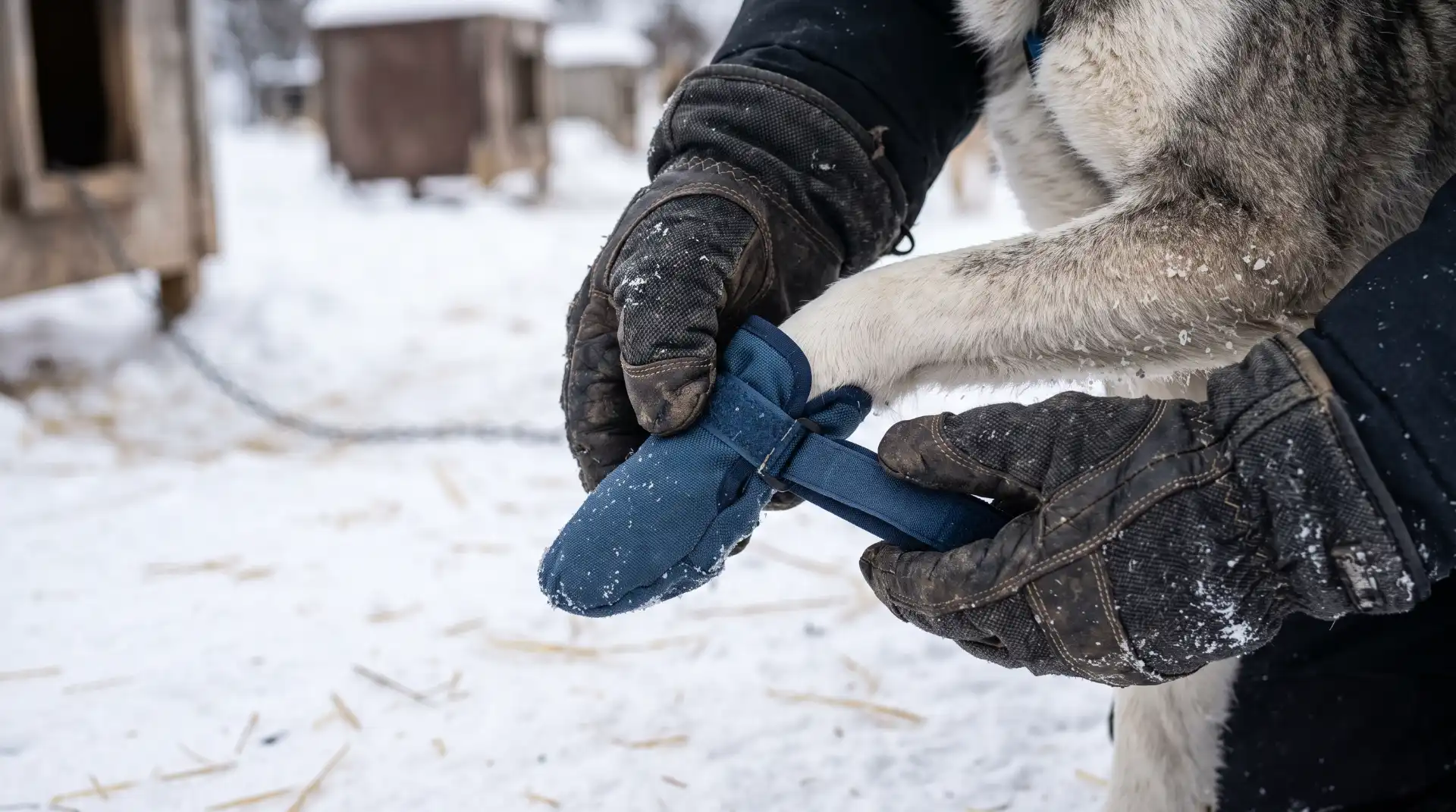
Booties help protect sled dogs’ paws from abrasive snow, ice, rough surfaces, and other trail hazards. They are especially important when conditions or individual paw sensitivity make additional protection necessary.
Match Booties to Trail Conditions
Booties vary in material, thickness, grip, flexibility, and fastening design. Lightweight options may work well for certain snow conditions, while more durable materials may be appropriate on abrasive trails. There is no single bootie that performs best on every surface.
Choose a design that fits securely without cutting off circulation or restricting normal paw movement. A bootie that is too loose may twist or come off, while one that is too tight can cause discomfort. The material should be suitable for the conditions and the length of the run.
Booties should be introduced during training rather than saved for race day. Let dogs become accustomed to wearing them during short, supervised sessions, and check whether they remain correctly positioned as the dogs move.
How Many Booties Should You Carry?
The number depends on team size, distance, conditions, and race rules. For routine training, carry enough replacements to deal with likely losses or damaged booties. For longer races, plan for multiple changes and follow the event’s exact mandatory-equipment requirements.
The Iditarod’s educational material on mandatory race gear describes event-specific equipment provisions, including booties and other dog-care supplies. Check the current official rules before relying on any older checklist, since requirements may change between seasons.
For example, a musher traveling with six dogs should calculate bootie needs for all six dogs, then add replacements based on the trail and expected duration. A longer expedition or an abrasive route may justify carrying more than a short, controlled training session.
Inspect Paws During and After Training
Booties do not eliminate the need for paw checks. Inspect paws before the run and again afterward, looking for cuts, redness, swelling, cracks, embedded material, or signs of discomfort. Check between the toes where snow and ice may accumulate.
If a dog begins limping, repeatedly lifting a paw, licking a foot, or resisting movement, stop and assess the situation. Continuing to run through pain can worsen an injury. Seek veterinary advice when an injury is significant, persistent, or difficult to assess.
3. Select a Sled for Your Racing Conditions
Sprint, Recreational, and Distance Sleds
Sprint racing places a premium on responsive handling and efficient movement over relatively short courses. Recreational sleds may prioritize stability, straightforward maintenance, and ease of use. Distance sleds often need additional capacity for food, clothing, dog-care supplies, and emergency equipment.
These categories overlap, and no sled should be selected by label alone. The musher needs to consider the combined load, the behavior of the dogs, and the conditions likely to occur on the trail.
A beginner should prioritize predictable handling and reliable braking rather than choosing equipment solely because it is lightweight or marketed for competition. Experienced mushers can evaluate specialized designs based on their own needs and the rules of their intended event.
Inspect Runners, Frame, and Connections
Before the season begins, examine the sled’s frame, runners, joints, fasteners, handlebar, brush bow, and cargo attachment points. Look for cracks, loose connections, corrosion, damage from impacts, or wear that could affect handling.
Runners should be appropriate for the conditions and maintained according to the manufacturer’s instructions. Check for damage that could interfere with tracking or stability. If the sled has moving or adjustable components, verify that they function as intended.
A pre-season inspection is also an opportunity to replace worn parts before cold weather makes repairs more difficult. Test the sled in a controlled area before taking it into unfamiliar terrain or using it with a full team.
Make Braking and Steering a Priority
A sled brake helps the musher regulate movement and maintain control, but its effectiveness depends on the design, surface conditions, load, and how it is used. Inspect the brake mechanism and its connections before every run. Damaged or unreliable braking equipment should be repaired before the sled is used again.
Practice controlling the sled under appropriate conditions before attempting steep or technically difficult trails. Mushers should understand how their equipment responds when the dogs accelerate, the sled gains momentum, or the trail surface changes.
A snow hook can help secure a team temporarily when used correctly, but it is not a substitute for active control or a suitable anchor point. Learn the correct technique for the specific equipment and terrain, and never assume that a hook will hold under every condition.
Protect and Organize the Sled Bag
For longer runs, the sled bag should protect supplies from snow and moisture while keeping frequently needed items accessible. Organize dog-care equipment separately from food, clothing, repair tools, and personal essentials.
Use secure closures and attachment points so the contents do not shift or interfere with control. Keep emergency supplies accessible rather than burying them beneath items that are rarely needed. A waterproof or water-resistant storage system can help protect critical items from melting snow and wet conditions.
4. Inspect Ganglines, Tuglines, and Necklines
The line system connects the dogs to one another and to the sled. Its design and configuration influence how the team moves together, so every section should be checked for wear and compatibility.
Inspect the main gangline, tuglines, necklines, clips, swivels, and attachment points for fraying, deformation, damaged stitching, corrosion, and loose connections. Pay close attention to areas that repeatedly bend or experience friction.
The lines should be suitable for the team configuration and the intended activity. Avoid improvised connections that could create entanglement hazards or fail under load. Hardware should be compatible with the line and secure enough for the expected use.
Before starting, check that each dog is connected correctly and that no line is twisted around a leg or trapped beneath equipment. After the run, inspect the system again because damage may become visible only after tension and movement.
For additional beginner guidance on assembling a safe setup, link naturally to Outlaw Ridge Sled Dogs’ guide, The Ultimate Guide to Dog Sledding for Beginners, which introduces essential sled dog equipment and basic mushing considerations.
5. Pack Essential Safety Equipment
Safety equipment should be selected according to the terrain, weather, distance, race rules, and level of support available along the route. A short, supervised run close to home does not present the same challenges as an isolated trail where the team may be far from help.
Carry a First-Aid Kit for Dogs and Mushers
A compact first-aid kit should contain supplies appropriate for minor problems encountered during mushing. Depending on the route and the advice of a veterinarian, this may include sterile gauze, non-stick dressings, medical tape, saline for flushing wounds, disposable gloves, and other basic wound-care supplies.
The kit should be protected from moisture and stored where it can be reached quickly. Check expiration dates, packaging integrity, and whether any supplies were used during previous outings.
First-aid equipment does not replace veterinary care. A significant cut, suspected fracture, breathing difficulty, severe weakness, or other serious problem requires appropriate professional assessment. The musher should know how to stop the activity, secure the team, contact available assistance, and transport an injured dog safely when necessary.
Personal first-aid supplies matter too. Cold-weather outings can involve slips, equipment-related injuries, and prolonged exposure to wind and low temperatures. Keep essential supplies for the musher separate from dog-care materials so both are accessible.
Prepare for Cold Weather and Unexpected Delays
Winter conditions can change quickly in Alaska and other northern states. Wind, falling temperatures, reduced visibility, snowfall, and changing trail surfaces can turn a routine outing into a more difficult experience.
For the musher, useful supplies may include insulated gloves, spare dry layers, a warm hat, weather-appropriate outerwear, and protective footwear. Longer outings may require additional insulation and emergency shelter, depending on the route and forecast.
Lighting is important when training during short winter days or in low-visibility conditions. A reliable headlamp, spare batteries or a suitable backup power source, and reflective or high-visibility equipment can help the musher remain visible and see the trail. Test lighting before departure rather than assuming it will work when needed.
Navigation and communication should also be part of the safety plan. Carry a charged phone when service is available, but understand that coverage may be unreliable in remote areas. A GPS device, downloaded maps, or another suitable navigation method can provide additional support. Remote-area trips may justify an emergency communication device appropriate for the location.
Secure the Team When Stopping
Stopping safely is a basic but essential mushing skill. Dogs may remain excited even after the sled stops, and an unsecured team can create risks for other dogs, people, and passing trail users.
Carry a suitable snow hook or another approved securing method appropriate for the terrain and equipment. Learn how to use it properly, and never rely on a single securing method without considering the conditions.
Before stopping, choose a location that provides enough space to manage the team safely. Keep lines organized, watch for entanglements, and avoid placing yourself where a sudden movement could pull you into the dogs or equipment.
The best safety equipment is useful only when the musher understands how to use it. Practice securing the team during routine training, and review emergency procedures before attempting longer or more challenging routes.
6. Include Dog Coats, Blankets, and Resting Supplies
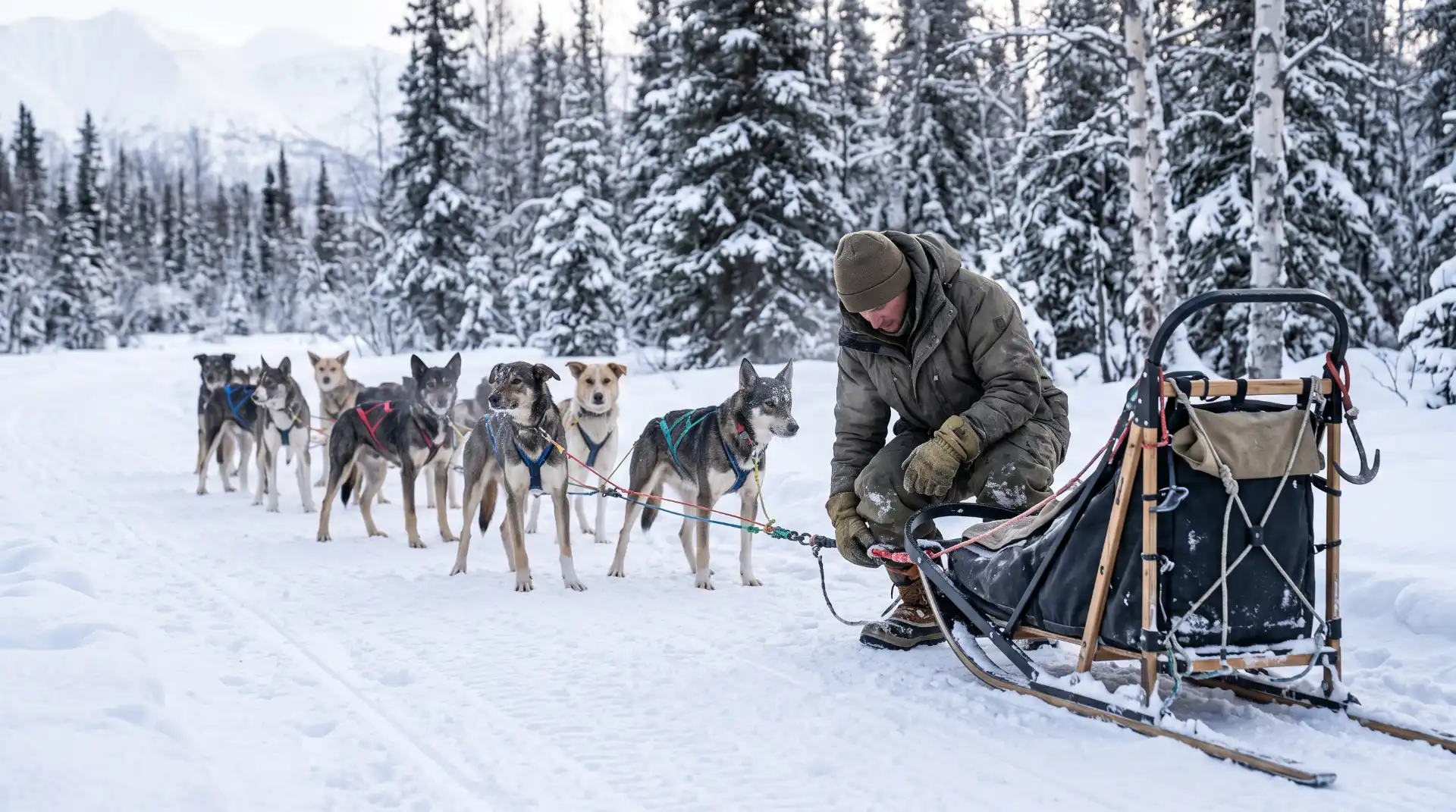
Choose Insulation for the Individual Dog
An insulated dog coat may be useful during rest periods, especially when conditions are cold, windy, or wet. Dogs that are resting after strenuous exercise may have different needs from dogs that are actively pulling.
Choose a coat that fits comfortably without restricting normal movement or creating rubbing. It should remain in place and be suitable for the conditions in which it will be used. Wet or poorly fitting clothing can create additional problems rather than improving comfort.
Do not assume that every dog requires the same level of insulation. Observe individual dogs and seek veterinary guidance when health, age, body condition, or other factors may affect cold-weather tolerance.
Carry Appropriate Resting Supplies
For longer outings, consider the supplies needed to keep dogs comfortable during stops. Depending on the activity and race rules, these may include suitable blankets or resting materials, extra coats, and equipment for protecting dogs from direct contact with wet or icy surfaces.
Keep these items clean and dry. Wet materials can lose insulating value, so use storage that limits exposure to melting snow and moisture.
During a rest period, observe the dogs rather than relying on the temperature alone. Shivering, unusual weakness, confusion, persistent reluctance to move, or other concerning changes require immediate attention. Stop the activity and seek veterinary advice or emergency assistance as appropriate.
7. Plan Food, Water, and Hydration Supplies
Sled dogs expend energy while running and pulling, and nutritional needs depend on workload, weather, body condition, individual metabolism, and the duration of the activity. Food and water planning should therefore be based on the dog’s established feeding routine and the demands of the outing.
Organize Food for the Length of the Run
For short training sessions, the musher may not need the same food supplies required for a long-distance event. Longer trips require a more deliberate plan, including routine feeding, appropriate snacks when needed, and extra provisions for unexpected delays.
Use food that the dogs already tolerate rather than introducing unfamiliar meals immediately before competition. Sudden dietary changes can cause digestive problems, and a race is not the ideal time to experiment with a new feeding strategy.
Pack food securely and protect it from moisture. Clearly separate dog food from human supplies and organize portions so they can be accessed without unpacking the entire sled bag.
Carry Water and Plan for Cold-Weather Feeding
Cold weather does not eliminate the need for hydration. Dogs can lose fluid during exercise and may be less inclined to drink when the environment is cold. The musher should establish a suitable hydration routine with veterinary guidance and observe the dogs for signs of inadequate intake.
Water management becomes more complicated when temperatures are below freezing. Plan how water will be carried, protected from freezing, and made available during longer outings. The right method depends on the length of the trip, available facilities, and the conditions expected.
For multiday competitions, food preparation and water-heating equipment may be subject to detailed race requirements. The Iditarod’s gear and packing guidance explains why race-specific supplies and careful organization are important on a long-distance event. Use the current official rules rather than copying an older equipment list.
8. Build a Practical Equipment Repair Kit
A repair kit can help resolve minor equipment problems before they interrupt a run or become more serious. The contents should be based on the sled, line system, harness hardware, and the musher’s ability to perform repairs safely.
Useful items may include a multitool, appropriate fasteners, replacement clips or connectors, strong repair cord, and manufacturer-approved repair materials. Carry only tools that you understand how to use, and keep sharp components secured.
Inspect equipment before trying to repair it in the field. A loose noncritical attachment may be manageable, but a cracked sled frame, damaged brake, or compromised load-bearing line can make continuing unsafe.
The musher should distinguish between a temporary measure that allows the team to return safely and a permanent repair suitable for continued use. Equipment that has been damaged under load should be examined carefully before being used again.
Store the kit in a waterproof pouch or compartment and return items to their assigned locations after every use. Replenish consumables before the next outing so the kit is ready when needed.
9. Use a Pre-Race Inspection Routine
A checklist works best when it becomes part of the normal pre-run routine. Instead of waiting until the morning of a race, inspect and organize equipment during the weeks leading up to competition.
Begin with the dogs. Check harness fit, paw condition, general comfort, and any equipment-specific requirements. Review each dog’s recent training and recovery, and do not assume that a dog is ready simply because it is eager to run.
Next, inspect the sled and line system. Confirm that the brake functions properly, the runners and frame are sound, and the ganglines and attachments are in good condition. Secure the sled bag and check that supplies cannot shift into areas that interfere with handling.
Finally, review the conditions. Check the weather, trail information, planned distance, daylight, route access, and available communication. Tell an appropriate person about your route and expected return when training in an area where assistance may be needed.
A Practical Sled Dog Racing Gear Checklist
Preparing for a sled dog race requires more than bringing a sled and a team of trained Alaskan Huskies. Every piece of equipment should serve a clear purpose, fit correctly, and remain dependable in cold, snowy conditions. A practical gear checklist helps mushers avoid last-minute problems, protect their dogs, and stay prepared for changing trail conditions throughout the 2026–2027 racing season.
The equipment needed for a race depends on its distance, terrain, weather, and event rules. A short sprint race may require a relatively compact setup, while a long-distance competition can demand additional clothing, repair tools, emergency supplies, and dog-care equipment. Before purchasing new gear, review the race organizer’s current requirements and inspect the equipment you already own.
1. Dog Harnesses and Towlines
A properly fitted harness is one of the most important pieces of equipment in a sled dog team. It transfers pulling force across the dog’s body while allowing the animal to move naturally. Harnesses should fit securely without rubbing the shoulders, restricting breathing, or interfering with the dog’s stride.
Inspect every harness for frayed webbing, damaged stitching, weakened attachment points, and worn buckles. Check the fit on each dog individually because animals of similar size may have different body shapes. A harness that worked comfortably during training should still be checked before race day, especially if the dog has gained or lost weight or developed a thicker winter coat.
Towlines, tuglines, and ganglines should also be examined carefully. Look for damaged sections, weakened connections, and hardware that could fail under tension. Keep spare lines or appropriate replacement components available when permitted by race regulations. Make sure the team arrangement matches the musher’s experience and the conditions expected on the course.
2. Protective Dog Booties
Dog booties help protect paws against abrasive snow, ice crystals, rough trail surfaces, and other conditions that can cause irritation or injury. The appropriate bootie depends on the terrain, temperature, fit, and individual dog’s needs. Some teams use different booties for training and racing, while others carry several types to accommodate changing conditions.
Choose booties that remain secure without squeezing the paw or restricting normal movement. Before the event, allow dogs to practice wearing them during training runs so the animals can become accustomed to the sensation. Check paws regularly for trapped ice, redness, cuts, swelling, or signs of discomfort.
Pack enough spare booties to replace those that become wet, damaged, or lost during the race. The quantity required will depend on the number of dogs, race distance, trail conditions, and event rules. Organizing spares by size can make replacements faster when the team needs attention.
3. Sled, Runners, and Steering Equipment
The sled should match the race format, terrain, team size, and musher’s experience. Before departure, inspect the frame, runners, brake, brush bow, handlebar, and all major connections. Loose bolts, damaged components, or poorly maintained runners can affect control and create avoidable safety problems.
Check that the brake engages properly and that the musher can operate it confidently while wearing winter gloves. Inspect the runners for damage and make sure they are suitable for the anticipated snow conditions. If the event permits specialized runner materials or other performance adjustments, confirm that the setup complies with the race rules.
A pre-race test on familiar terrain can help reveal problems that may not be obvious during a stationary inspection. Pay attention to unusual movement, vibration, steering difficulty, and loose hardware. Carry only those repair tools and replacement parts that are appropriate for the sled and permitted by the event.
4. Musher Clothing and Personal Protection
Mushers need clothing that provides warmth while allowing movement and helping manage perspiration during physical work. A practical clothing system typically includes a moisture-managing base layer, insulating middle layers, and a weather-resistant outer layer. The exact combination should reflect the forecast, wind exposure, race duration, and expected activity level.
Warm gloves or mittens, suitable boots, insulating socks, a hat, and face protection are essential considerations. Spare gloves and dry socks can be particularly valuable if equipment becomes wet or the musher must perform repairs in cold conditions. Clothing should allow the musher to grip the sled, handle lines, and care for the dogs without unnecessary restriction.
Cold-weather planning should also account for wind chill, changing visibility, and the possibility of unexpected stops. Avoid relying on a single heavy layer that cannot be adjusted as conditions change. Test clothing during training so the musher can identify cold spots, overheating, or limitations in movement before race day.
5. Dog Care, Food, and Hydration Supplies
Dog-care equipment should be organized so that essential supplies remain accessible throughout the event. Depending on the race rules and distance, this may include suitable food, water or snow-melting arrangements where appropriate, feeding containers, dog blankets, paw-care supplies, and other items recommended by a veterinarian or experienced race team.
Nutrition and hydration plans should be based on the dogs’ individual needs, workload, and the conditions in which they are competing. Avoid making major changes to feeding routines immediately before a race. Dogs should be accustomed to their planned food and care routine during training, and mushers should know how each animal normally behaves when tired, thirsty, or uncomfortable.
A basic dog-care kit can include clean towels, spare booties, and supplies recommended by a veterinarian for the team’s circumstances. Any medication should be used only as directed by a qualified veterinary professional. Race-specific medical requirements and restrictions should be reviewed in advance rather than assumed.
6. Trail Safety and Emergency Equipment
Safety equipment becomes especially important when a race takes place far from roads, buildings, or immediate assistance. Depending on the event, the checklist may include a headlamp, communication device, first-aid supplies, emergency shelter, repair kit, and other required items. Long-distance races may have detailed mandatory-equipment rules, so mushers should consult the official checklist for their specific event.
A headlamp should be tested before the race, and spare batteries or a reliable charging plan should be available when appropriate. Communication equipment should be suitable for the route and tested in advance. Coverage can be limited in remote areas, so a musher should not assume that a mobile phone alone will provide dependable emergency communication.
Keep tools and emergency supplies secured so they do not shift during travel or interfere with the dogs. Review the location of each item before starting, and make sure the musher can reach critical equipment when wearing gloves. Where regulations require specific equipment, confirm that each item meets the organizer’s standards.
7. Repair Tools and Spare Components
Small equipment problems can become significant when a team is far from the starting area or when temperatures make repairs difficult. A compact repair kit may include the tools needed for the sled’s fasteners, suitable replacement hardware, approved line-repair components, and other items specific to the equipment being used.
The contents should be based on the sled manufacturer’s guidance and the musher’s experience with the equipment. Avoid packing tools that are unfamiliar or unlikely to solve a realistic problem. Instead, practice basic inspections and repairs during training so that the musher can recognize a fault and respond safely.
Secure the repair kit in a designated location and check it after every training session. Replace missing or damaged items promptly. For races with mandatory gear checks, organize the kit so officials can inspect required components without unnecessary delays.
8. Pre-Race Inspection and Final Checklist
A final inspection should take place before loading the sled or traveling to the event. Check every dog’s harness and booties, inspect the towlines and ganglines, test the sled’s brake and steering components, and confirm that personal clothing and emergency supplies are ready. Review the weather forecast and any event updates that could change equipment requirements.
It is also helpful to separate equipment into clearly labeled groups: dog gear, sled equipment, musher clothing, dog-care supplies, and emergency or repair items. This organization reduces the chance of forgetting a critical component when the team is preparing under time pressure.
The following checklist can serve as a starting point. Adapt it to the number of dogs, race distance, expected weather, and official regulations.
- Dog equipment: Correctly fitted harnesses, inspected towlines and ganglines, suitable booties, and spare booties.
- Sled equipment: Sled frame, runners, brake, brush bow, handlebar, and secure fasteners.
- Musher clothing: Insulating layers, weather-resistant outerwear, gloves or mittens, warm boots, socks, and face protection.
- Dog care: Planned food and hydration supplies, feeding equipment, towels, and veterinarian-recommended care items.
- Safety equipment: Required emergency supplies, lighting, communication equipment, and first-aid items.
- Repair kit: Suitable tools, replacement hardware, and permitted repair components.
- Race documents: Registration information, emergency contacts, and confirmation of the current mandatory-equipment rules.
A reliable checklist is not simply a shopping list. It is a repeatable inspection process that helps the musher confirm that the equipment fits, works, and is ready for the demands of the course. Test gear during training, replace worn components before they fail, and follow the race organizer’s current instructions. Most importantly, equipment should support the health and safety of the dogs as well as the control and preparedness of the musher.
10. Prepare Equipment for Different U.S. Winter Conditions
There is no single equipment configuration that works equally well throughout the United States. Regional weather, snow conditions, terrain, and the type of mushing activity can influence what a team needs.
Alaska and Northern Winter Trails
In Alaska, mushers may encounter deep snow, extreme cold, long distances between services, and rapidly changing weather. Longer wilderness outings require particularly careful planning for emergency supplies, dog care, navigation, and equipment repair.
Competitive mushers should study their event’s current rules and prepare their equipment well before race inspections. The official Iditarod 2027 information for mushers is a useful starting point for understanding the formal preparation process for that specific race.
Minnesota, Wisconsin, and Michigan
Mushers in the Upper Midwest may experience substantial snowfall alongside periods of fluctuating temperatures. Changing conditions can affect trail firmness, moisture, and the performance of runners and booties.
Inspect equipment after outings in wet or slushy snow, and dry supplies thoroughly before storing them. Pay particular attention to metal components, connectors, and areas where moisture can remain trapped.
Mountainous Western Trails
In mountainous areas, including parts of Colorado, Montana, and the Sierra Nevada, terrain may introduce elevation changes, variable snow depth, and technical descents. Braking, sled control, and the ability to secure a team safely become especially important.
Choose routes appropriate to your experience and the team’s conditioning. Equipment cannot compensate for inadequate trail knowledge or poor judgment about weather and terrain.
Regions With Inconsistent Snowfall
In areas where snow arrives unpredictably, mushers may need to prepare for a shorter or less consistent winter training window. Equipment should be maintained during the off-season rather than left until suitable snow appears.
Dryland activities may provide opportunities to maintain aspects of conditioning when snow is unavailable, but the equipment used for those activities must also be appropriate and safely managed. For additional background, see Outlaw Ridge Sled Dogs’ guide to preparing an Alaskan Husky for its first sled dog race.
11. Inspect, Clean, and Store Equipment After Every Run
A good equipment routine continues after the sled returns to the kennel or storage area. Cleaning and inspection can reveal problems that were difficult to notice during a run.
Remove accumulated snow, ice, dirt, and moisture from the sled and its components. Dry harnesses, lines, booties, and other fabric equipment according to the manufacturer’s instructions. Check for cuts, worn stitching, loose hardware, and other damage while cleaning.
Store equipment in a dry, organized location away from conditions that could degrade materials. Keep dog-care supplies separate from sharp tools and chemicals, and make sure emergency items remain easy to find.
Before putting gear away, replace any booties or supplies that were used, repair or remove damaged items, and update the checklist. A short inspection after each outing can prevent a minor issue from becoming a major problem during the next race.
At the end of the season, perform a more thorough inspection. Identify items that need replacement, clean and store reusable gear correctly, and record what worked well. This information will help you prepare a more effective equipment plan for the following winter.
12. Avoid Common Sled Dog Racing Equipment Mistakes
Even experienced mushers can overlook basic details when preparing for a new season. Several common mistakes are easy to prevent with a consistent system.
One mistake is buying equipment based primarily on price. Affordable gear can be useful, but the lowest-cost option is not necessarily economical if it wears out quickly, fits poorly, or cannot withstand the intended workload. Evaluate durability, repairability, fit, and suitability before purchasing.
Another mistake is introducing new equipment immediately before a race. A new harness, bootie design, or sled component should be tested under controlled conditions. Familiarity allows the musher to identify problems before competition and gives the dogs time to adjust.
Some mushers also carry too little backup equipment. The appropriate amount depends on the trip, but a long or remote outing should include a plan for foreseeable equipment failures. This does not mean carrying every possible item; it means identifying the most consequential failures and preparing for them.
Finally, do not let a checklist replace observation. Equipment may appear intact while a dog is uncomfortable, tired, or injured. The musher must continually assess the dogs and conditions, and be prepared to stop when continuing would create an unreasonable risk.
13. How to Budget for the 2026–2027 Sled Dog Season
Preparing a team can involve a significant investment, particularly when multiple dogs need harnesses, booties, and other individual supplies. A practical budget begins with the equipment already available and identifies what needs to be replaced, repaired, or added.
Start with essential safety and functional items: properly fitted harnesses, reliable lines, a serviceable sled and brake, and suitable dog-care supplies. Then evaluate secondary needs, including spare equipment, upgraded storage, additional clothing, or specialized accessories for particular race conditions.
Compare products according to the intended use rather than assuming that the most expensive item is always the best. Consider whether the equipment can be maintained, whether replacement parts are available, and whether it is compatible with the rest of your setup.
A simple inventory can help prevent duplicate purchases. Record each item, its condition, the dog or sled it belongs to, and whether it needs attention before winter. For team equipment, keep track of individual sizes so replacements can be ordered correctly.
Plan for recurring expenses as well. Booties, food, first-aid supplies, and some line components may need regular replacement. Keeping these costs in the seasonal budget makes preparation easier and reduces the likelihood of rushing purchases at the start of winter.
Most importantly, never sacrifice essential dog welfare or safety to stay within a gear budget. If critical equipment is damaged or unreliable, postpone the run until the problem is addressed.
Conclusion: Get Your Sled Dog Racing Gear Ready Before the Snow Arrives
A successful 2026–2027 sled dog racing season starts with preparation long before the team reaches the starting line. Properly fitted harnesses, suitable booties, reliable sleds, sound ganglines, and appropriate safety supplies form the foundation of a dependable mushing setup.
Every item should be selected for the dogs, the activity, and the conditions in which it will be used. Mushers should inspect equipment regularly, test new purchases during training, organize emergency supplies, and learn the rules of any event they intend to enter. They should also recognize that equipment is only one part of safe mushing. Conditioning, observation, veterinary guidance, trail knowledge, and sound decisions remain essential.
For new mushers, the best strategy is to begin with reliable essentials and learn to use them confidently. Experienced teams can review their current systems, replace worn components, and adapt their gear to the upcoming season’s conditions. Both groups benefit from the same habit: inspect everything before it is needed.
As winter approaches across Alaska and the rest of the United States, take time to prepare your equipment, review your emergency plan, and check your dogs’ individual needs. A well-organized gear system reduces avoidable problems and helps keep attention where it belongs: on the dogs, the trail, and the teamwork that makes mushing rewarding.