Veterinary care is one of the most important parts of responsible dog ownership, but accessing professional animal healthcare is not always easy. For residents of remote Alaska communities, obtaining routine veterinary services can involve expensive transportation, difficult weather conditions, limited local resources, and long periods without access to a practicing veterinarian. These challenges affect household pets, community dogs, and working animals that remain important to everyday life in rural Alaska.
A significant development arrived in 2026 when the Alaska Federation of Natives (AFN) announced a partnership with Alaska Native Rural Veterinary (ANRV) to expand veterinary services to approximately 80 tribal communities across the state. The two-year rural veterinary public health initiative, scheduled to begin July 1, 2026, is designed to improve access to preventive animal healthcare, vaccinations, infectious disease testing, and spay and neuter services.
The announcement represents an important step toward addressing a longstanding public health and animal welfare concern. Although the program is not exclusively designed for sled dogs, its potential benefits extend to communities where dogs continue to serve important cultural, practical, recreational, and working roles.
For mushers and sled dog owners, the development raises important questions about preventive veterinary care, infectious disease protection, vaccination access, responsible breeding, and the long-term health of working dog populations.
Sled dogs are more than athletic animals that pull equipment across snow-covered trails. They are living partners that depend on people for appropriate nutrition, shelter, veterinary attention, conditioning, and protection from disease. In communities where professional veterinary services are difficult to obtain, programs that improve access to animal healthcare can make a meaningful difference.
Understanding what this new Alaska initiative provides, why rural communities need it, and how it could influence the future of working dog health offers a useful perspective on the connection between veterinary medicine, animal welfare, and traditional mushing culture.
Understanding Alaska’s New Veterinary Care Initiative
The 2026 rural veterinary public health initiative is a partnership between two organizations with an interest in improving the health and well-being of Alaska Native communities and their animals.
The Alaska Federation of Natives works with Alaska Native organizations, tribal governments, and community leaders on issues affecting Indigenous people throughout the state. Alaska Native Rural Veterinary focuses on improving access to veterinary services in rural communities where professional animal healthcare may be limited or unavailable.
The organizations announced their partnership on June 24, 2026, with services scheduled to begin July 1. The two-year initiative is intended to reach approximately 80 tribal communities.
The announcement is important because veterinary care in many remote Alaska villages has historically depended on occasional outreach visits, nonprofit assistance, or residents finding ways to transport animals to larger communities.
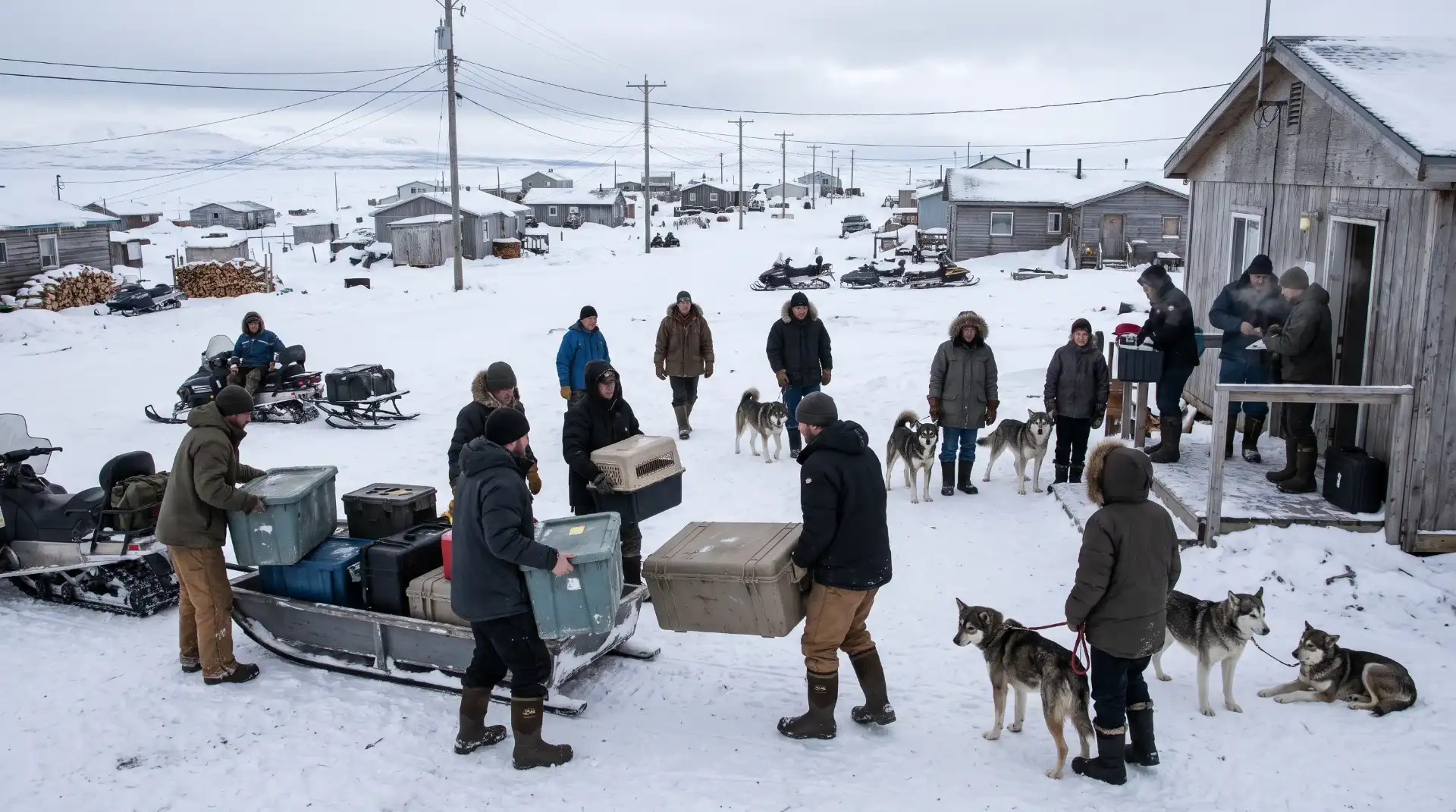
For families living far from veterinary clinics, even routine appointments can become complicated. Transportation may require an airplane, boat, snowmachine, or a combination of several methods. Weather can delay travel, while the cost of moving an animal over long distances may make treatment financially difficult.
The new initiative aims to bring essential services closer to residents instead of expecting every animal owner to travel to a distant veterinary facility.
According to the official announcement from the Alaska Federation of Natives, the program includes preventive veterinary care, vaccinations, zoonotic disease surveillance and testing, spaying and neutering, and a study examining barriers to veterinary access.
These services are designed to address more than individual animal illnesses. They also support community health by reducing the spread of diseases that can move between animals and people.
Why the Program Covers Approximately 80 Communities
Alaska is geographically enormous, and many of its communities are separated by mountains, rivers, forests, coastal areas, and large stretches of wilderness.
Unlike many communities in the continental United States, numerous rural Alaska villages do not have direct road connections to major population centers. This makes access to medical and veterinary services more complicated.
A resident of a road-connected American town might transport a sick dog to a nearby animal hospital within minutes. Someone living in a remote Alaska village may have to arrange air transportation or wait for an outreach team to visit.
These difficulties are especially significant when animals need preventive care. Vaccinations and routine examinations are most effective when they can be provided consistently rather than only after a serious health problem develops.
The initiative’s planned coverage of approximately 80 tribal communities represents an effort to address this geographic inequality through organized outreach.
It is important to understand that the announcement does not mean every village will have a permanent veterinary clinic or that every type of treatment will be available during every visit. The program is a two-year outreach and public health initiative, with the organizations working alongside local communities to determine needs and deliver appropriate services.
Nevertheless, establishing a broader service network is an important step toward creating more sustainable veterinary access.
Why Rural Alaska Needs Better Access to Veterinary Services
Veterinary care is frequently discussed as an individual responsibility, but in remote communities it is also an infrastructure issue.
Responsible owners may understand the importance of vaccinations, parasite prevention, and routine examinations while still struggling to find an accessible professional who can provide those services.
The problem becomes more complicated when several animals live within one household or when dogs are part of a working team.
Geographic Isolation Makes Routine Care Difficult
Transportation is one of the most significant barriers to veterinary care in rural Alaska.
Many villages are not connected to the state’s main road network. Residents may depend on small aircraft, boats, snowmachines, or seasonal transportation routes.
These arrangements can make routine veterinary appointments expensive and difficult to coordinate.
Consider a musher who maintains several working dogs in a remote community. If one dog needs an examination, the owner may need to arrange transportation for the animal and possibly another person to assist.
If several dogs need vaccinations, transporting the entire group could become impractical.
An outreach clinic changes the situation by bringing veterinary professionals and supplies closer to the community. Instead of requiring every owner to travel separately, a veterinary team can coordinate appointments and provide services during an organized visit.
This approach can improve access for households that might otherwise delay routine care.
Financial Barriers Can Delay Preventive Treatment
Veterinary treatment costs can create difficulties even for households living near established clinics. In remote Alaska, transportation expenses can make the total cost considerably higher.
A relatively simple veterinary appointment may involve travel, lodging, time away from employment, and other logistical expenses.
For working dog owners, the challenge can become greater when several animals require attention.
Preventive care is particularly important because delaying routine services may allow manageable health problems to become more serious.
For example, a dog that has not received appropriate vaccinations may face unnecessary exposure to infectious diseases. A parasite problem that is not addressed can also affect the dog’s condition and potentially spread to other animals.
Outreach programs help reduce these barriers by making certain services available within participating communities.
The new AFN and ANRV initiative is intended to provide essential veterinary services without charging participating residents for those program services. However, owners should confirm which treatments are available, how appointments are arranged, and whether additional medical needs fall outside the initiative.
Veterinary Access Is Also a Community Health Issue
The importance of animal healthcare extends beyond the animals themselves.
Dogs can be exposed to diseases circulating among wildlife, and some infections can spread between animals and people. Rabies is one of the most serious examples.
In northern and western Alaska, rabies occurs in wildlife populations, including foxes. Dogs that encounter infected wildlife can become exposed and potentially create a risk for people.
A vaccination program can help reduce this risk.
Community veterinary services can also support responsible dog population management, disease surveillance, and education about safe interactions with animals.
This broader public health approach is one of the reasons the 2026 initiative is significant.
How Better Veterinary Access Could Help Alaska’s Sled Dogs
Sled dogs occupy an important place in Alaska’s history and present-day culture.
Although modern transportation has replaced many traditional uses of dog teams, mushing remains a meaningful activity in numerous communities. Dogs continue to participate in racing, recreation, wilderness travel, educational programs, and cultural traditions.
For working sled dogs, health is directly connected to their ability to participate safely in these activities.
A dog that is suffering from an untreated infection, parasite problem, or other medical condition may experience reduced energy, discomfort, and difficulty recovering from physical activity.
Preventive healthcare can help owners identify potential problems before they interfere with a dog’s well-being.
Vaccinations Help Protect Working Dog Teams
Sled dogs frequently live and work in groups. They may share kennels, exercise areas, transportation equipment, and contact with other dogs.
This creates opportunities for infectious diseases to spread when appropriate preventive measures are not in place.
Vaccination is an important part of reducing the risk of several serious canine diseases.
Rabies is particularly important in Alaska because of the presence of infected wildlife in certain regions. Canine parvovirus and distemper are also important concerns for dog owners and working kennels.
A vaccination plan should be developed with a veterinarian according to the dog’s age, health, lifestyle, location, and potential exposure.
The American Veterinary Medical Association provides useful guidance in its resource on vaccinating your pet. It explains the difference between core and non-core vaccines and why vaccination recommendations should consider an animal’s individual circumstances.
For a sled dog team, the veterinarian may consider factors such as contact with other kennels, participation in races, travel between communities, and exposure to wildlife.
Vaccination schedules should not be assumed to be identical for every dog.
Preventing Disease Before Racing Season
The period before a major training or racing season is an important time to review the health of every dog.
Mushers often concentrate on conditioning, equipment, feeding schedules, and team organization. However, medical preparation deserves equal attention.
A veterinary examination can help determine whether an individual dog is ready for its expected workload.
The veterinarian may evaluate body condition, mobility, skin, ears, eyes, teeth, and other aspects of general health. Vaccination records and parasite prevention can also be reviewed.
This is particularly useful for teams that travel to competitions or interact with dogs from different kennels.
Bringing dogs together for races, training events, or transportation creates additional opportunities for exposure to infectious diseases.
Preventive healthcare should therefore be considered part of the overall racing preparation process.
Identifying Problems That Affect Athletic Performance
Sled dogs are physically active animals, and their health can be influenced by exercise intensity, environmental conditions, nutrition, recovery, and genetics.
Some medical problems may initially appear as minor changes in performance.
A dog that becomes reluctant to run, loses interest in food, develops an unusual gait, or takes longer than expected to recover may need veterinary attention.
These changes should not automatically be attributed to poor conditioning or lack of motivation.
An examination may help identify injuries, infections, dental problems, parasites, or other conditions that require attention.
For mushers, the important lesson is that performance should never be evaluated separately from health.
A dependable working dog is not simply one that can maintain a fast pace. It is one that can participate comfortably, recover appropriately, and enjoy a good quality of life.
The Importance of Rabies Prevention in Rural Alaska
Rabies prevention is one of the most important public health considerations associated with the new veterinary initiative.
Rabies is a viral disease that affects the nervous system of mammals. Once clinical symptoms develop, the disease is almost always fatal. Because it can spread between animals and humans, preventing exposure is a priority for communities where dogs regularly encounter wildlife.
In parts of Alaska, foxes are an important source of rabies exposure. Dogs living in rural communities may encounter foxes around homes, garbage disposal areas, waterways, and locations where wildlife searches for food.
These encounters can create risks for both animals and people.
Why Sled Dogs May Face Wildlife Exposure
Working dogs do not necessarily spend their entire lives inside enclosed facilities. Depending on their location and purpose, they may live in outdoor kennels, exercise in open areas, travel along wilderness routes, or participate in activities near wildlife habitat.
A sled dog that encounters an infected fox or another rabid mammal may be exposed through a bite.
The risk is not limited to competitive racing dogs. Household pets, village dogs, hunting companions, and other working animals may also encounter wildlife.
This is why vaccination programs are important even for dogs that do not travel outside their home communities.
Mushers should avoid assuming that a dog is protected simply because it has not shown signs of illness. Rabies prevention depends on appropriate vaccination and responsible management rather than waiting for symptoms.
What Should Owners Do After a Possible Rabies Exposure?
A suspected encounter with a potentially rabid animal should be treated seriously.
Owners should avoid handling wildlife or attempting to capture an animal that appears sick or behaves unusually. If a dog may have been bitten, the owner should contact a veterinarian and follow instructions from local animal control or public health officials.
The dog’s vaccination history is important when determining the appropriate response.
Owners should also report suspected wildlife rabies incidents through the appropriate local or state channels. Alaska’s public health and wildlife authorities can provide guidance on suspected exposures and testing procedures.
Vaccination does not eliminate every possible exposure concern, but it is one of the most important preventive measures available.
Canine Parvovirus and Distemper: Two Other Important Concerns
Although rabies receives considerable attention because of its human health implications, other infectious diseases can also create serious problems for working dog populations.
Two important examples are canine parvovirus and canine distemper.
Both diseases can cause severe illness, particularly in vulnerable dogs, and their presence in a kennel or village can affect multiple animals.
Understanding Canine Parvovirus
Canine parvovirus is a highly contagious viral disease that primarily affects dogs.
It is particularly dangerous for puppies and dogs that have not developed adequate immunity.
The virus can cause severe gastrointestinal illness, including vomiting, diarrhea, dehydration, and loss of appetite. Without appropriate veterinary treatment, affected dogs can become critically ill.
One challenge associated with parvovirus is that the virus can persist in contaminated environments.
Kennel surfaces, outdoor areas, equipment, and objects that come into contact with infected feces can contribute to transmission.
For sled dog owners maintaining several animals, prevention requires attention to vaccination, sanitation, and the management of dogs showing signs of illness.
A dog with suspected parvovirus should be separated from other dogs while veterinary advice is obtained.
Why Distemper Is Important in Rural Alaska
Canine distemper is another serious infectious disease that can affect dogs and certain wildlife species.
It may cause respiratory, gastrointestinal, and neurological symptoms. Some infected animals experience long-term complications even if they survive the initial illness.
Distemper is particularly relevant to rural Alaska because wildlife health and domestic animal health can be connected.
The Alaska Native Rural Veterinary initiative identifies disease surveillance as an important component of its public health approach. This includes attention to diseases that can affect wildlife and subsistence resources.
In communities where hunting and subsistence activities remain important, animal health can have broader consequences for local ecosystems and traditional ways of life.
Vaccinating dogs against diseases such as distemper is therefore not simply a matter of protecting individual household pets. It can form part of a wider effort to reduce disease transmission within communities.
Spaying and Neutering: Why Responsible Dog Population Management Matters
Another major component of the 80-community veterinary initiative is access to spaying and neutering.
Dog population management can be a complicated issue in rural Alaska. Some villages have large numbers of free-roaming dogs, and access to affordable veterinary services has historically been limited.
When dogs reproduce without adequate population management, communities may face increasing numbers of animals that need food, shelter, medical attention, and responsible ownership.
This can create problems for residents, other animals, and public safety.
Spaying and neutering provide one way to address unwanted reproduction while supporting long-term animal welfare.
How Spaying and Neutering Help Communities
Spaying is a surgical procedure performed on female animals to prevent pregnancy. Neutering generally refers to surgical sterilization of male animals.
These procedures are performed by qualified veterinary professionals and require appropriate preparation, anesthesia, monitoring, and postoperative care.
When offered through organized outreach programs, sterilization services can help reduce unwanted litters and improve the ability of communities to manage dog populations.
The benefits extend beyond controlling reproduction.
Reducing the number of unwanted puppies can make it easier for owners and local organizations to provide appropriate care for the animals already living in a community.
It may also reduce some behaviors associated with reproductive activity, although individual outcomes vary and sterilization is not a substitute for training or responsible supervision.
What Spaying and Neutering Mean for Working Dog Kennels
For sled dog kennels, breeding decisions are especially important.
Mushers may select dogs based on athletic ability, temperament, health, endurance, and suitability for a particular type of work.
However, not every dog should be bred, and maintaining a working kennel does not require every animal to reproduce.
Responsible breeding requires consideration of inherited health problems, physical characteristics, temperament, and the long-term welfare of the dogs.
Sterilization may be appropriate for dogs that are not part of a carefully planned breeding program, but decisions should be made with veterinary guidance.
Owners should also understand that sterilization procedures involve recovery periods. A dog should not immediately return to strenuous pulling or competitive training after surgery.
The veterinarian should provide instructions about activity restrictions, incision monitoring, medication, and follow-up examinations.
Why Community Participation Matters
A successful dog population management program depends on cooperation between veterinary professionals and local residents.
Outside organizations cannot create lasting improvements simply by arriving in a village, performing procedures, and leaving.
Community leaders, dog owners, and local organizations need to participate in identifying priorities and establishing practical arrangements.
Residents understand local conditions, including where dogs gather, how animals are cared for, and what transportation or scheduling challenges may exist.
The AFN and ANRV initiative is built around collaboration with tribal communities, making local participation an important part of its approach.
What Happens During a Rural Veterinary Outreach Visit?
Mobile veterinary outreach requires considerable planning.
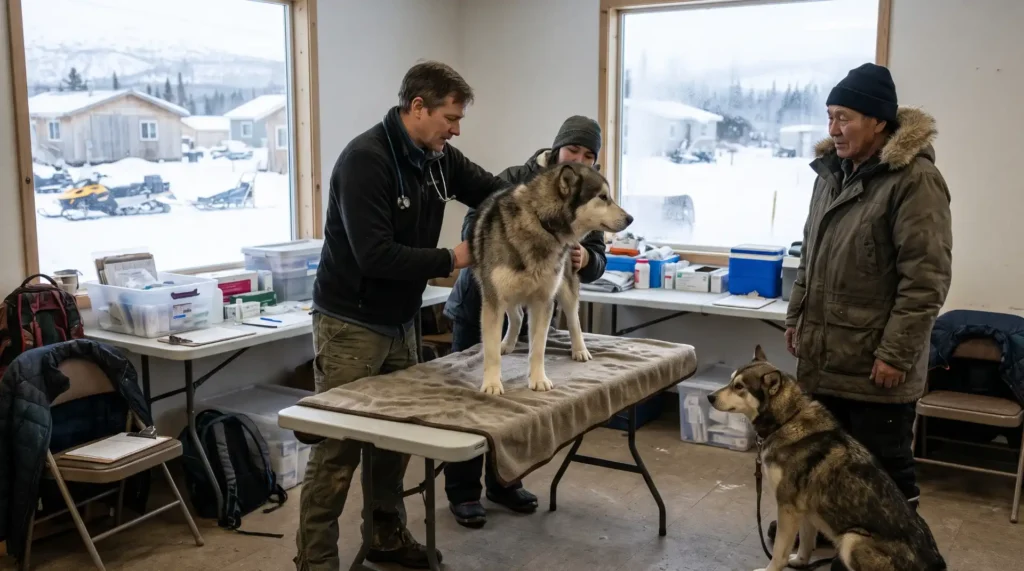
Unlike a conventional animal hospital, a temporary clinic may operate inside a community building, school, or other suitable facility.
Veterinary teams must bring appropriate medical supplies, equipment, documentation, and personnel while coordinating with local residents.
The logistics can be particularly challenging in remote Alaska, where weather and transportation conditions can change quickly.
Preparing a Temporary Veterinary Clinic
Before a veterinary team arrives, organizers may need to arrange a suitable location, transportation assistance, temporary storage, and communication with animal owners.
The facility must provide a practical environment for examinations and procedures.
Depending on the services being offered, the team may need designated areas for patient registration, examinations, vaccinations, surgery, recovery, and recordkeeping.
The exact arrangements depend on the size of the clinic and the services scheduled.
For residents, preparation may include registering animals, providing vaccination records, and following instructions about fasting or other pre-procedure requirements when applicable.
Owners should not independently withhold food or water from a dog unless instructed by the veterinary team.
What Happens During an Examination?
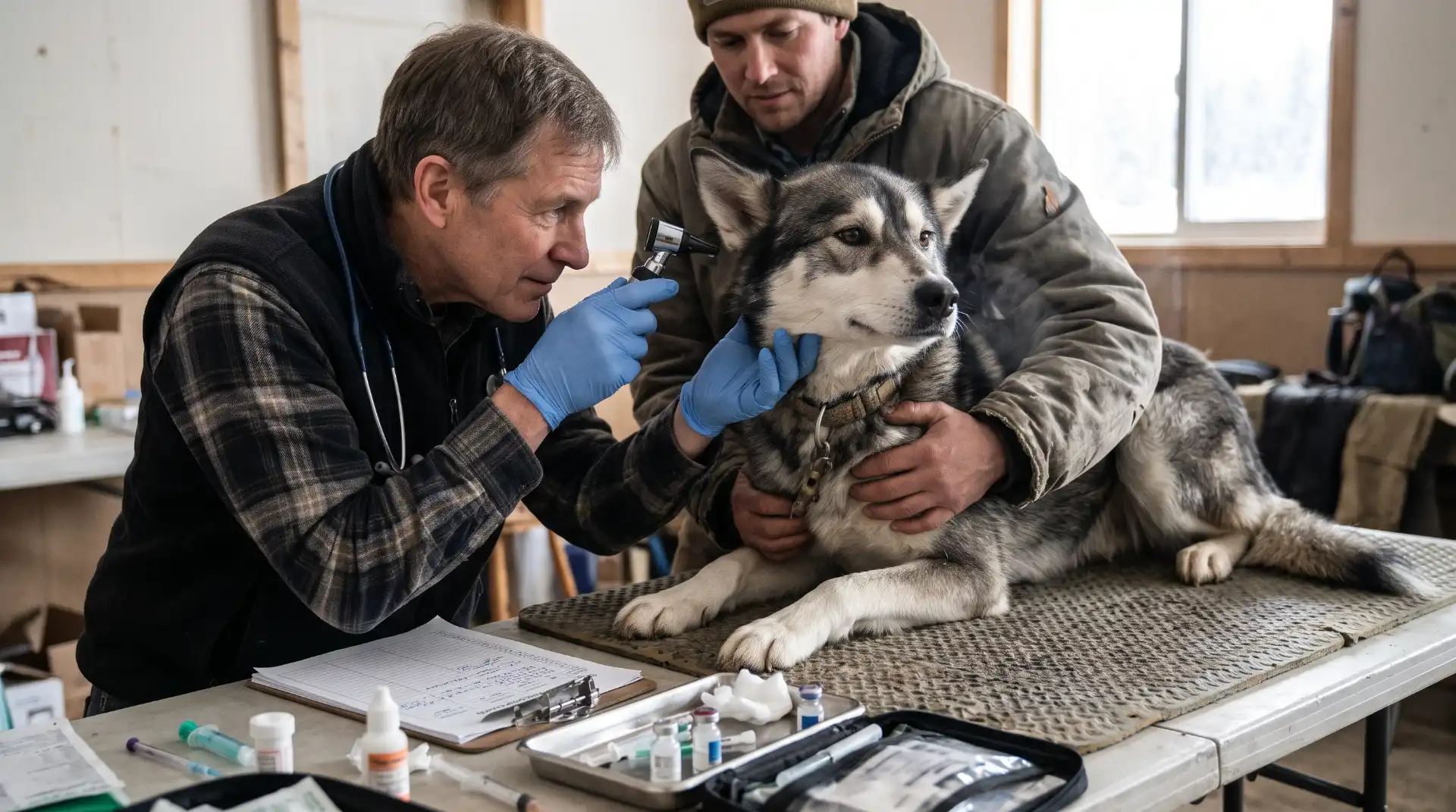
A veterinary examination generally begins with a review of the animal’s history and current condition.
The veterinarian may ask about appetite, activity, previous illnesses, vaccination history, medication, and possible exposure to other animals.
A physical examination can help identify visible health concerns and determine whether the animal is suitable for a planned procedure.
For a working sled dog, the veterinarian may also consider its normal activity level and any physical problems that could affect pulling or running.
Owners should mention changes in behavior, appetite, gait, or recovery, even if they seem relatively minor.
The veterinary team can then determine whether additional testing, treatment, or follow-up care is needed.
Why Follow-Up Care Is Important
Veterinary outreach should not end when the temporary clinic closes.
Some treatments require monitoring, medication, repeat vaccinations, or additional examinations.
Surgical procedures require particular attention because complications may develop after the animal returns home.
Owners need clear instructions explaining what is normal during recovery and which symptoms require veterinary attention.
For communities far from permanent veterinary facilities, planning follow-up support is especially important.
The long-term success of outreach programs depends partly on whether residents can obtain help after the visiting team has departed.
How the Initiative Could Support Alaska’s Traditional Mushing Culture
Dog mushing is closely connected to Alaska’s history and cultural identity.
For generations, dog teams provided transportation, moved supplies, supported hunting and trapping activities, and helped people travel through landscapes where other forms of transportation were difficult.
Although snowmachines and modern aircraft have changed how many residents travel, dogs remain important in certain communities.
The cultural significance of working dogs cannot be measured only by the number of races they enter or the distance they travel.
They also represent relationships between people, animals, the environment, and traditional knowledge passed between generations.
Working Dogs Are More Than Racing Animals
The public often associates Alaska’s sled dogs with famous races such as the Iditarod. However, the role of dogs in rural communities is much broader.
Some dogs participate in recreational mushing, while others are involved in traditional transportation, training activities, and local cultural programs.
A working dog may be part of a family or community for many years.
Its value is not limited to athletic performance.
This is an important distinction when discussing veterinary services. Preventive care should benefit dogs according to their health needs, not simply according to their usefulness in competition.
An older sled dog, for example, may no longer be able to pull a sled over long distances but still deserves appropriate medical attention, comfortable living conditions, and a good quality of life.
Protecting the Next Generation of Working Dogs
Puppies represent the future of many working dog kennels.
Their early development depends on appropriate nutrition, socialization, preventive healthcare, and responsible management.
Young dogs need age-appropriate vaccinations and protection from infectious diseases.
Owners should also pay attention to their living environment, exposure to unfamiliar dogs, and opportunities for safe development.
A puppy should not be introduced to strenuous pulling simply because it comes from a working bloodline.
Its physical and behavioral development must be considered before beginning formal training.
Veterinary professionals can help owners establish appropriate health schedules and identify concerns during development.
Better access to preventive services can make these early decisions easier for rural households.
The Connection Between Veterinary Care and Working Dog Nutrition
Healthcare and nutrition are closely connected.
Sled dogs require carefully managed diets because their nutritional needs can change according to age, activity level, body condition, environment, and workload.
However, good nutrition cannot replace veterinary care.
A dog may receive a high-quality diet and still develop an infectious disease, dental problem, injury, or other medical condition.
Similarly, a veterinary examination may identify a health problem that requires dietary adjustments.
Why Regular Health Monitoring Matters
Mushers should monitor their dogs’ body condition rather than relying only on food portions or feeding schedules.
Changes in weight, appetite, stool quality, energy, and recovery can provide useful information about an animal’s health.
If a dog suddenly eats less or loses weight despite receiving an appropriate diet, the problem should not automatically be attributed to increased exercise.
A veterinary examination may be necessary to identify the cause.
The same principle applies to digestive problems, persistent itching, and unexplained changes in behavior.
Owners interested in the nutritional side of canine athletic performance can also read Outlaw Ridge’s existing article, The Role of Nutrition in Sled Dog Performance, which discusses why feeding and energy requirements matter for working teams.
Hydration and Recovery Are Equally Important
Working dogs need access to suitable drinking water throughout their daily routines.
Cold weather does not eliminate the need for hydration. Dogs can lose fluids during exercise and may not always show obvious signs that they need to drink.
After training, handlers should provide an appropriate recovery environment and monitor each dog’s condition.
A dog that repeatedly struggles to recover may need changes to its exercise schedule, diet, or medical care.
These decisions should be based on individual needs rather than assumptions about what every sled dog requires.
The Role of Disease Surveillance in Protecting Animals and People
One of the more significant features of the 2026 initiative is its emphasis on zoonotic disease surveillance.
A zoonotic disease is an infection that can be transmitted between animals and humans.
Understanding where these diseases occur and how they spread helps public health officials develop better prevention strategies.
In rural Alaska, this is particularly important because people, domestic dogs, and wildlife may share the same environment.
Why Disease Information Matters
Vaccinating individual dogs can reduce the risk of certain infections, but broader surveillance provides information about disease patterns across communities.
For example, identifying areas where rabies is a concern can help public health organizations prioritize education and vaccination efforts.
Monitoring other infectious diseases can also improve understanding of animal health risks.
The information collected through the initiative may help identify where veterinary services are most needed and which barriers prevent residents from obtaining care.
This research component is important because it provides a basis for future planning.
Rather than relying only on anecdotal accounts, organizations can use documented information to support decisions about funding, staffing, transportation, and service delivery.
Protecting Wildlife and Subsistence Resources
Animal health is also connected to environmental and subsistence concerns.
In parts of rural Alaska, communities depend on wildlife for food, cultural practices, and traditional activities.
Some diseases that affect domestic dogs can also threaten wildlife species.
The spread of canine distemper, for example, can have consequences for susceptible wildlife populations.
Reducing disease transmission among dogs may therefore support broader community and environmental health goals.
This does not mean that every disease outbreak among domestic animals will necessarily affect wildlife. Transmission depends on the pathogen, species, exposure, and environmental circumstances.
Nevertheless, monitoring animal diseases can help communities understand risks that extend beyond household pets.
What the New Program Does Not Automatically Guarantee
The announcement of free veterinary services is encouraging, but it is important for owners to understand the limits of the initiative.
The program is not a replacement for a permanent veterinary healthcare system.
It is also not a guarantee that every animal will receive every type of medical treatment at any time.
Not Every Procedure Is Necessarily Included
The publicly announced services include preventive care, vaccinations, infectious disease surveillance and testing, and spaying and neutering.
These services address important needs, but they do not necessarily cover every medical situation.
For example, a dog requiring emergency surgery, advanced imaging, specialist treatment, or long-term management of a chronic condition may need additional veterinary services.
Owners should confirm the specific services offered in their community rather than assuming that every treatment is included.
Not Every Village Has a Permanent Veterinary Clinic
Mobile and outreach veterinary services are valuable, but they operate differently from permanent animal hospitals.
The availability of a visiting team may depend on transportation, staffing, supplies, weather, and scheduling.
The initiative is intended to improve access and establish more sustainable services, but its two-year structure means that long-term funding and future service arrangements remain important questions.
The Program Is Not Exclusively for Competitive Sled Dogs
The initiative addresses veterinary public health in participating tribal communities.
It is not described as a special healthcare program exclusively for racing kennels or competitive sled dogs.
Its potential benefits are broader, extending to household pets and other animals in those communities.
This distinction matters because animal welfare programs should consider the needs of the entire local dog population.
A village dog, an older retired sled dog, a young puppy, and a competitive athlete may all require preventive care.
The appropriate treatment will depend on each animal’s health and circumstances.
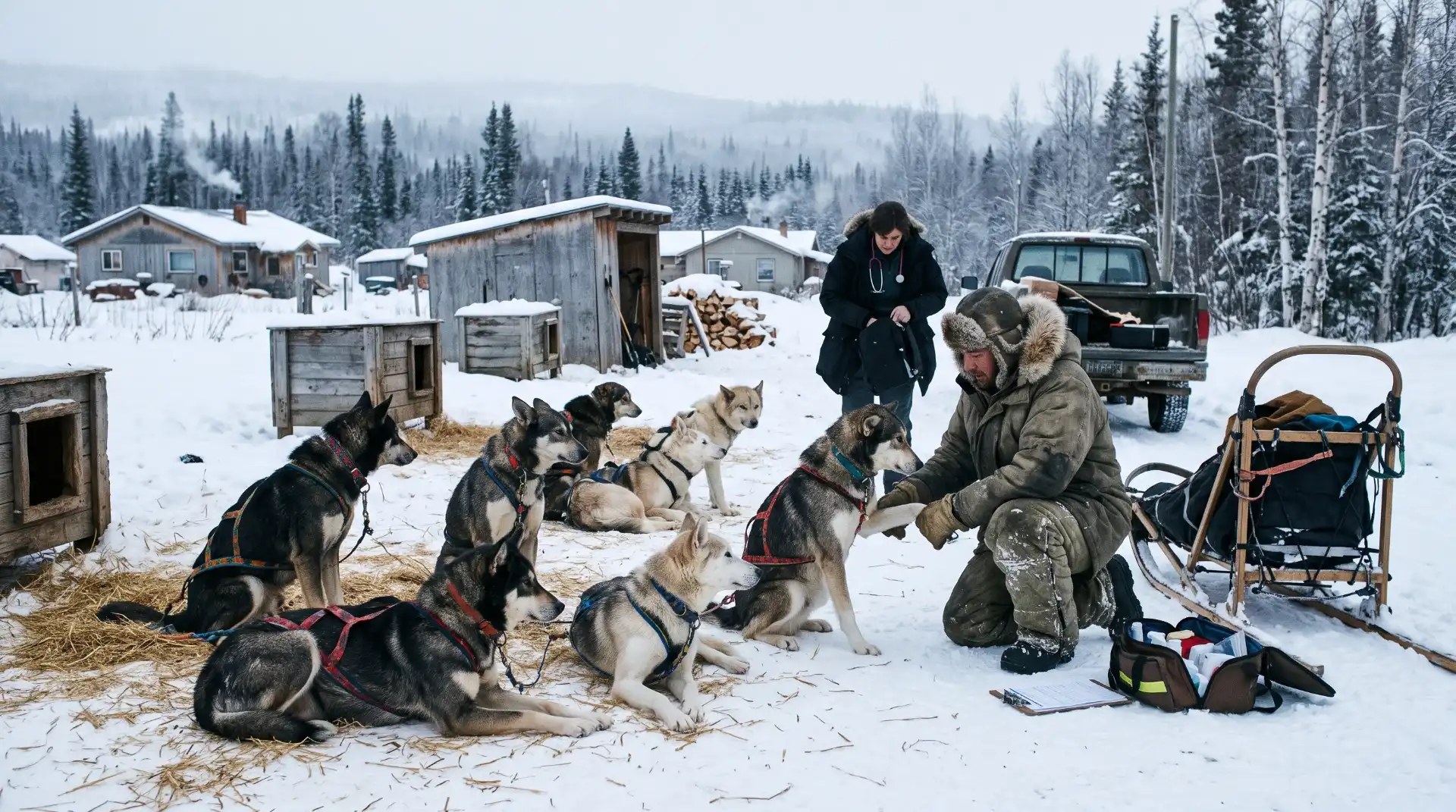
How Mushers and Dog Owners Can Prepare for Better Veterinary Access
The new initiative creates an opportunity for rural dog owners to take a more organized approach to animal healthcare.
Even when veterinary services are offered through a temporary clinic, preparation can make appointments more productive.
Owners should gather whatever information they have about each dog’s medical history, vaccination records, previous illnesses, medications, and known health concerns.
For kennels with multiple dogs, maintaining individual records is particularly useful.
Keep an Individual Medical Record for Every Dog
A medical record should identify the dog and document important health information over time.
It can include vaccination dates, veterinary examinations, medication history, previous injuries, allergies, and surgical procedures.
Mushers can also record changes in body weight, appetite, exercise tolerance, and recovery.
These records help veterinarians understand the dog’s history and identify patterns that might otherwise be overlooked.
For example, a dog that repeatedly develops gastrointestinal problems after travel may need a more detailed examination than a dog experiencing a single temporary episode.
A well-maintained record also helps owners avoid uncertainty about when vaccinations or other preventive treatments were last administered.
For larger kennels, a simple digital spreadsheet can organize records by dog name, identification number, date of examination, and recommended follow-up.
Make a List of Questions Before the Veterinary Visit
Appointments can be busy, particularly when a visiting veterinary team is serving an entire community.
Preparing questions beforehand helps owners make better use of the available time.
A musher might ask whether a dog needs additional vaccinations, whether its current body condition is appropriate, or whether a recurring paw problem requires further investigation.
Owners should also ask about parasite prevention, dental health, reproductive health, and appropriate exercise during recovery from illness or surgery.
Questions should be specific to the individual dog rather than based on assumptions about the entire team.
Understand When Emergency Care Is Necessary
A scheduled outreach clinic is not a substitute for emergency veterinary services.
Dogs experiencing serious breathing difficulties, collapse, severe bleeding, suspected poisoning, seizures, major trauma, or other potentially life-threatening symptoms need urgent professional attention.
Owners should find out in advance which veterinary resources are available to their community and how emergency transportation can be arranged.
This preparation is particularly important in isolated locations, where reaching a veterinary facility may take considerably longer than in a road-connected town.
Build Relationships With Local Community Organizations
The success of rural veterinary programs depends on cooperation.
Dog owners can stay informed by communicating with tribal councils, local community organizations, and the organizations coordinating outreach services.
They should also follow official announcements about clinic schedules, eligibility, registration, and available procedures.
The Alaska Native Rural Veterinary website provides information about the organization’s mission and rural veterinary work.
Local leaders can help residents understand how services are arranged and what preparation is required before a veterinary team arrives.
Why Long-Term Funding Matters More Than a Single Veterinary Visit
One of the most important questions surrounding the 2026 initiative is what happens after its initial two-year period.
A temporary veterinary outreach program can provide immediate benefits, but sustainable animal healthcare requires more than occasional visits.
Communities need reliable access to preventive services, appropriate medical treatment, professional guidance, and follow-up support.
Without continued resources, some of the improvements made during an outreach program may become difficult to maintain.
Building a Sustainable Rural Veterinary Network
A sustainable system could involve regular mobile clinics, partnerships with established veterinary practices, support for local animal health education, and improved transportation arrangements.
It could also include training opportunities for veterinary professionals interested in working in rural communities.
The initiative’s barrier-to-care study is particularly relevant because it can help identify why veterinary services remain difficult to access.
For example, a community might have a strong interest in preventive care but face transportation limitations. Another might need additional education about vaccination schedules or assistance coordinating appointments.
Understanding these differences can help organizations design services that reflect local needs.
A program that works well in one region may require different arrangements in another.
The Importance of Training and Local Knowledge
Veterinary outreach is more effective when professional medical knowledge is combined with local experience.
Residents understand the geography, weather patterns, transportation options, and practical challenges affecting their communities.
Veterinarians bring medical expertise and experience diagnosing and treating animals.
Working together can help create realistic solutions.
Educational opportunities may also help residents recognize signs of common illnesses, understand preventive care, and know when an animal needs professional attention.
Community education should not replace veterinary diagnosis or treatment. Instead, it helps owners make informed decisions and seek assistance earlier.
Could Federal Policy Expand Veterinary Access?
The need for rural veterinary services has also attracted attention from policymakers.
The Alaska Federation of Natives has documented longstanding concerns about inadequate access to animal healthcare in tribal communities.
The organization has also described efforts to encourage federal support for veterinary services and public health infrastructure.
The 2026 partnership may provide useful information for future policy discussions.
If the program documents significant unmet needs, transportation barriers, disease risks, and the benefits of preventive treatment, those findings could help support additional funding and long-term planning.
However, the success of the initiative should not be measured only by the number of communities reached.
It should also be evaluated through improvements in vaccination access, animal health, disease prevention, community participation, and the availability of continuing care.
What This Development Means for the Future of Working Dogs in America
Although the initiative focuses on rural Alaska, its broader lessons are relevant to working dog communities throughout the United States.
Sled dogs are only one category of working animal that may live in geographically isolated locations.
Search-and-rescue dogs, hunting dogs, livestock guardian dogs, and other working animals can also face challenges when professional veterinary services are difficult to reach.
The Alaska initiative demonstrates how preventive healthcare can be organized around the needs of communities rather than expecting every owner to overcome the same transportation and financial obstacles individually.
Preventive Healthcare Should Be Part of Every Working Dog Program
Working dogs are often evaluated according to their abilities.
A sled dog may be valued for endurance, speed, temperament, and willingness to work. A search-and-rescue dog may be assessed according to its tracking ability and reliability. A livestock guardian dog may be judged by its behavior and effectiveness around animals.
But none of these abilities should replace basic health requirements.
Every working dog needs appropriate preventive care, veterinary examinations, safe living conditions, and opportunities to recover from physical activity.
The Alaska initiative reinforces the importance of making these services accessible, including in places where regular veterinary appointments are difficult to arrange.
Rural Communities Need Solutions Designed for Their Conditions
Programs designed for large American cities may not work effectively in isolated Alaska villages.
A conventional clinic model assumes that owners can transport their animals to a permanent facility.
That assumption may not be realistic in communities without road connections.
Mobile clinics and coordinated outreach visits offer an alternative that reflects local transportation and geographic conditions.
Other rural regions may also benefit from similar approaches, although the specific services and logistics would need to reflect their own circumstances.
The broader lesson is that veterinary access should be designed around the actual needs of the people and animals being served.
A Healthier Future for Sled Dog Culture
The future of mushing depends on the health and well-being of the dogs that make it possible.
Competitive racing, recreational dog sledding, traditional transportation, and educational programs all require responsible animal care.
A stronger veterinary support network can help owners identify health concerns, reduce preventable disease, and make informed decisions about breeding and working conditions.
It can also help ensure that older dogs and animals no longer participating in demanding activities continue to receive appropriate care.
The value of a sled dog should never disappear when its working career ends.
A healthy mushing community recognizes that every dog deserves attention throughout its life.
Frequently Asked Questions About Free Veterinary Care for 80 Alaska Villages
1. What is the new Alaska free veterinary care initiative?
It is a two-year partnership between the Alaska Federation of Natives and Alaska Native Rural Veterinary. Announced in June 2026, the initiative is designed to improve access to veterinary services in approximately 80 tribal communities across Alaska.
2. When did the program begin?
The initiative was scheduled to begin July 1, 2026. Its initial program period is two years.
3. What veterinary services are included?
The announced services include preventive veterinary care, vaccinations, zoonotic disease surveillance and testing, and spaying and neutering. The program also includes research into barriers that prevent rural residents from obtaining veterinary services.
4. Are sled dogs eligible for free veterinary services?
The initiative is designed to serve animals in participating tribal communities, rather than exclusively competitive sled dogs. Working dogs may benefit when their owners and animals are included in the participating community’s service arrangements. Owners should confirm eligibility and available procedures with local organizers.
5. Does the initiative provide free rabies vaccinations?
Rabies vaccination is an important part of the program’s preventive healthcare objectives. Owners should contact the organizations coordinating services to confirm clinic availability and the specific vaccination arrangements in their community.
6. Why is rabies a concern in rural Alaska?
Rabies occurs in wildlife populations in parts of northern and western Alaska. Foxes are an important source of exposure for dogs and other mammals. Vaccinating dogs helps reduce the risk of transmission to animals and people.
7. Does the program provide emergency veterinary treatment?
The publicly announced initiative focuses on preventive care, vaccinations, disease surveillance, and sterilization services. It should not be considered a guaranteed emergency veterinary service. Owners should establish an emergency care plan with available local veterinary and public health resources.
8. Why are spaying and neutering important in rural communities?
Spaying and neutering help prevent unwanted litters and support responsible dog population management. These procedures can also help communities address challenges associated with large free-roaming dog populations and limited access to veterinary services.
9. Will the program help protect traditional mushing culture?
It may contribute to the health of working dogs in participating communities by improving access to preventive healthcare. Although it is not exclusively a mushing initiative, healthier working dog populations can support the continued practice of traditional and recreational dog-related activities.
10. Will free veterinary care continue after the two-year program?
Long-term continuation has not been guaranteed by the initial announcement. One of the initiative’s objectives is to identify barriers to veterinary access and generate information that can help support sustainable services in the future.
Conclusion: Better Veterinary Access Is an Investment in Alaska’s Dogs and Communities
The new rural veterinary initiative serving approximately 80 Alaska tribal communities represents an important development for animal welfare and public health.
For years, residents of remote villages have faced transportation difficulties, limited veterinary resources, and financial barriers that make routine animal healthcare challenging. These problems affect household pets as well as dogs that remain important to traditional activities, community life, and working environments.
The partnership between the Alaska Federation of Natives and Alaska Native Rural Veterinary offers a practical approach to improving access through preventive healthcare, vaccinations, disease surveillance, and spaying and neutering.
For sled dog owners, the potential benefits include better access to preventive services, stronger disease awareness, and more opportunities to identify health concerns before they become serious problems.
However, the larger significance of the initiative extends beyond individual kennels. Healthy dogs contribute to healthier communities, and accessible veterinary care supports both animal welfare and public safety.
The next challenge will be ensuring that the improvements made during the initial two-year program can lead to reliable, long-term services.
For Alaska’s working dog communities, this initiative represents an encouraging step toward a future in which access to veterinary care is less dependent on geography and more closely aligned with the needs of the animals and people who depend on one another.
At Outlaw Ridge Sled Dogs, understanding the importance of responsible dog care is part of appreciating the remarkable relationship between mushers and their canine partners. Protecting working dogs means looking beyond their athletic abilities and recognizing their need for lifelong health, safety, and compassionate care.
For additional reading, Outlaw Ridge also explores the relationship between changing environmental conditions and sled dog welfare in How Unpredictable Winter Weather Is Changing Sled Dog Racing in the United States. These environmental considerations reinforce why veterinary preparation, careful monitoring, and responsible training are important throughout the year.
You can also learn more about the kennel’s commitment to responsible dog care and wilderness experiences on the About Outlaw Ridge Sled Dogs page.